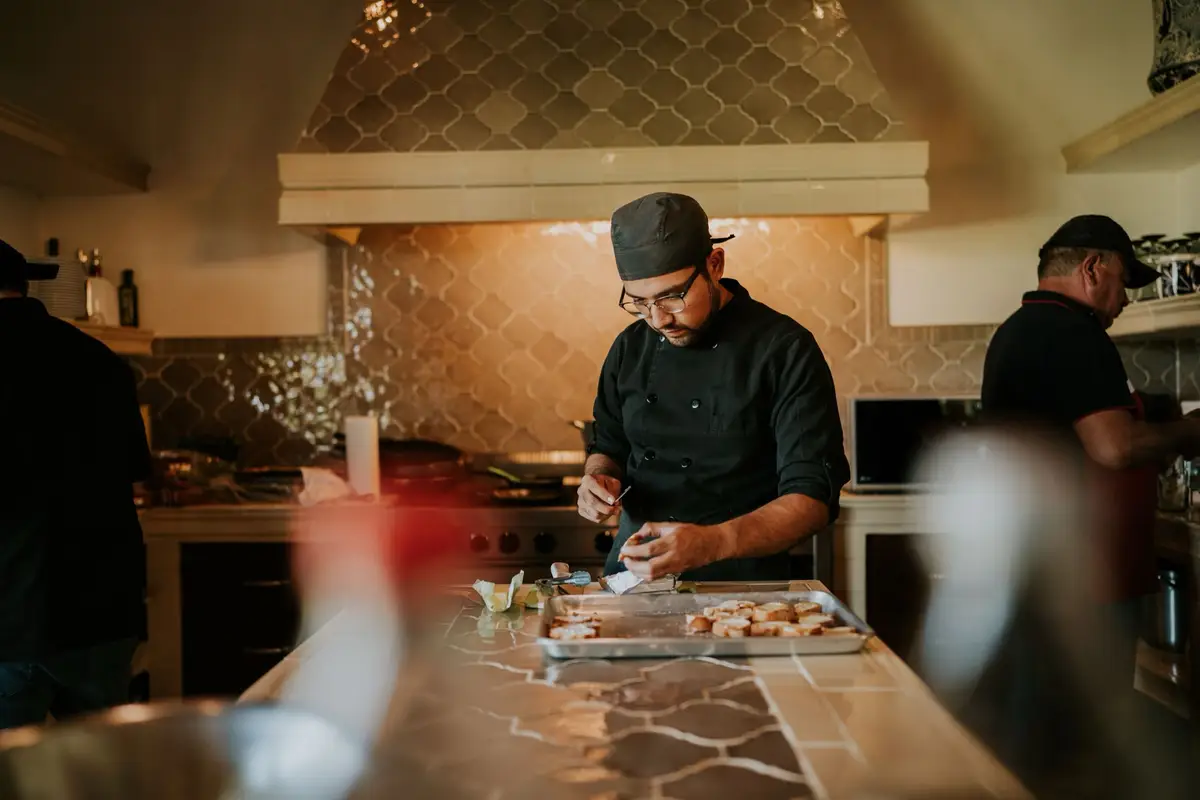
Our kitchen
Kitchen and food safety
The rules Ontario caterers work under, what they mean for your event, and the practices we follow from our kitchen to your table.
The rules that apply to a caterer in Ontario
Catering kitchens in Ontario are food premises under the Health Protection and Promotion Act, and the day-to-day requirements are set out in the Food Premises regulation, O. Reg. 493/17. It came into force on July 1, 2018 and covers everything from equipment and sanitation to how hazardous food is stored and served.
Two requirements matter most to anyone booking a caterer:
- A certified food handler or supervisor on duty. The operator must make sure at least one person who has completed food handler training is on the premises during every hour the kitchen is operating.
- Temperature control. Hazardous food, such as cooked meat, dairy, cooked rice and cut melon, must be kept at 4°C or colder, or at 60°C or hotter.
Food premises must also notify the local medical officer of health before they open, which is why a legitimate caterer cooks in an inspected commercial kitchen rather than a home kitchen.
DineSafe and public health inspections
In the City of Toronto, food premises are inspected by Toronto Public Health, and results are published through DineSafe. After each inspection, a premises receives a Pass (green), Conditional Pass (yellow) or Closed (red) notice, and the inspection record, including any infractions, is searchable online. Higher-risk premises are inspected more often.
DineSafe only covers Toronto. Kitchens in Mississauga or Brampton are inspected by Peel Public Health, in Vaughan or Markham by York Region Public Health, and in Oakville by Halton Region, each with its own public disclosure system. If you want to check any caterer, ask for the kitchen address and look up the record with the health unit for that municipality. We are glad to give you ours.
Temperature control from kitchen to table
Bacteria grow fastest between 4°C and 60°C, the range Health Canada and public health units call the danger zone. Catered food is most at risk not in the kitchen but in the van and on the buffet, so our practices focus on those stages:
- Cooling: food cooked ahead is cooled quickly in shallow containers and chilled before it is packed, never packed warm.
- Transport: cold food travels chilled in insulated carriers with cold packs, and hot food in insulated carriers that hold heat. Hot and cold never share a carrier.
- Arrival: hot food is checked with a probe thermometer before it is set out. Food that has not held temperature is not served.
- Hot holding: on a staffed buffet, hot dishes sit in chafing dishes or heated holding equipment at 60°C or above.
- Reheating: food that is reheated on site is brought to a safe internal temperature quickly, not warmed slowly in a chafing dish.
Buffets, grazing tables and drop-off food
Not every catered dish sits in a chafing dish. Sandwiches, salads, cheese boards and grazing tables are usually served at room temperature, which is only safe for a limited time. Food safety guidance commonly limits perishable food to two hours out of temperature control. We plan grazing tables and cold buffets around that limit: smaller amounts set out and replenished from chilled stock during the event, and food that has been out past its window is removed, not topped up.
For drop-off orders there is no staff member on site to watch the clock, so each delivery comes with a note stating when the food arrived and when it should be cleared or refrigerated. For an office lunch delivered at 11:45, that means cleared by about 1:45.
How we handle allergens
Health Canada identifies priority food allergens as the foods most often behind severe allergic reactions in Canada: peanuts, tree nuts, sesame seeds, milk, eggs, fish, crustaceans and molluscs, soy, wheat and triticale, and mustard, together with sulphites and gluten sources. Every dish on our menus is recorded with the priority allergens it contains, and those appear on buffet cards and labels.
When a guest has an allergy, their meal is prepared with cleaned equipment, packed and sealed separately, labelled with their name and the allergen it is free of, and handed over directly rather than placed on a shared table. Our kitchen is shared, so we are honest about trace exposure: if a guest's allergy is severe enough that trace amounts matter, talk to us before booking and we will explain exactly what we can and cannot control. More on menus for specific needs is on our dietary catering pages.
On site at your event
Many GTA venues, from lofts to backyards, have no commercial kitchen and sometimes no handwashing sink near the food. When that happens we bring what is needed: a portable handwashing station, food-safe work surfaces, and holding equipment sized for the menu. Gloves and utensils are used for ready-to-eat food, but they are not a substitute for washing hands. Leftover food is handled according to how it was served, and anything that has been out of temperature control is discarded rather than packed up.
Questions worth asking any caterer
These are fair questions for us or anyone else you are considering, and a good caterer answers each one without hesitation:
- Where is your kitchen, and which public health unit inspects it?
- Who on your team holds food handler certification, and will one of them be at my event?
- How do you keep hot and cold food at temperature during transport?
- How long will food sit out on the buffet, and what happens after that?
- How are allergy meals prepared, labelled and served?
- Can you provide a certificate of insurance if my venue asks for one?
Check a caterer yourself
Toronto Public Health publishes inspection results for food premises in the city through DineSafe. Ask any caterer for their kitchen address and look it up.
Questions
Frequently asked
Do caterers in Ontario need food handler certification?
Under O. Reg. 493/17, the operator of a food premises must ensure at least one certified food handler or supervisor is on the premises during every hour of operation.
What temperature should catered food be kept at?
Hazardous food should be kept at 4°C or colder, or at 60°C or hotter. Between those temperatures bacteria multiply quickly.
How long can catered food sit out?
Common food safety guidance is no more than two hours for perishable food without temperature control. We plan cold buffets and grazing tables around that limit and replace food rather than topping it up.
Can we keep the leftovers?
Food that stayed under temperature control, such as untouched trays held in chafing dishes or chilled, can often be packed for you with storage instructions. Food that sat out on a buffet past its time limit is discarded for safety.
What is DineSafe?
DineSafe is Toronto Public Health's inspection and disclosure program for food premises in the City of Toronto. Inspection results, including infractions, are posted publicly online.
Keep planning
Related pages
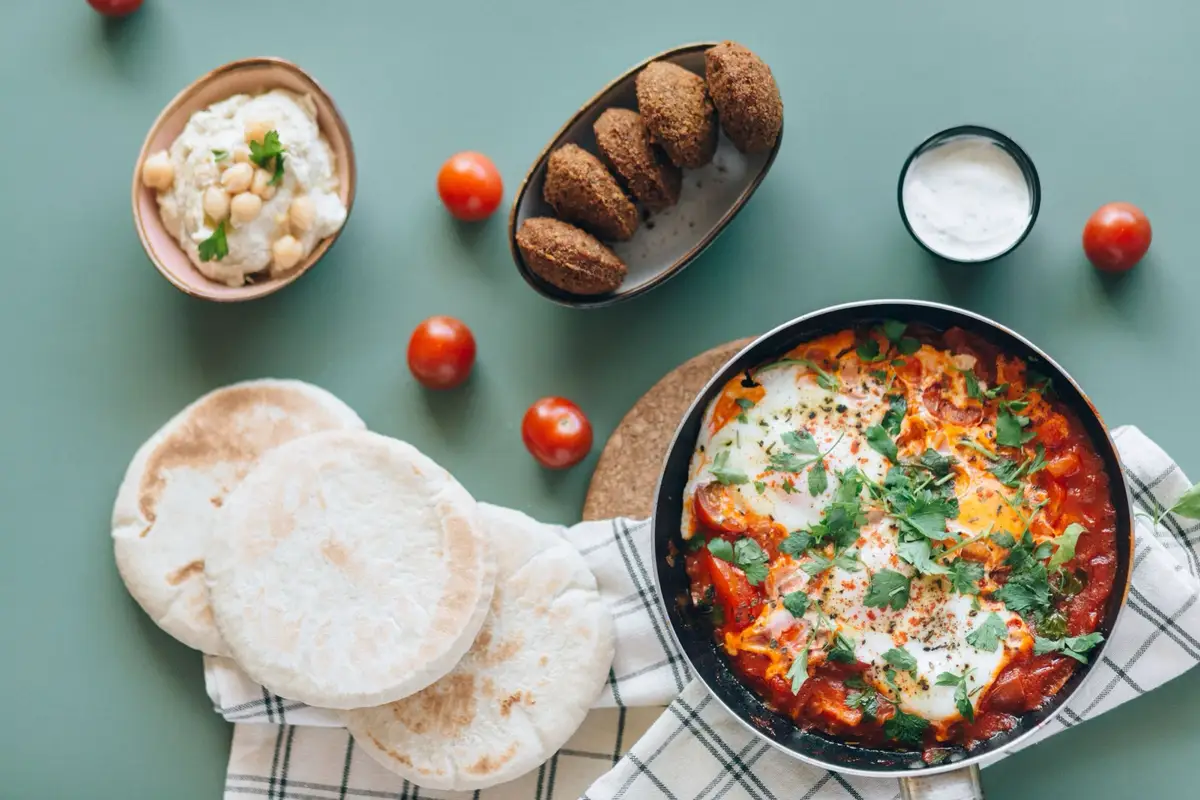
Catering for dietary restrictions
We plan halal, vegan, gluten-free and allergy-aware meals into the menu from the first quote, so the guest with a restriction gets the same food…
Explore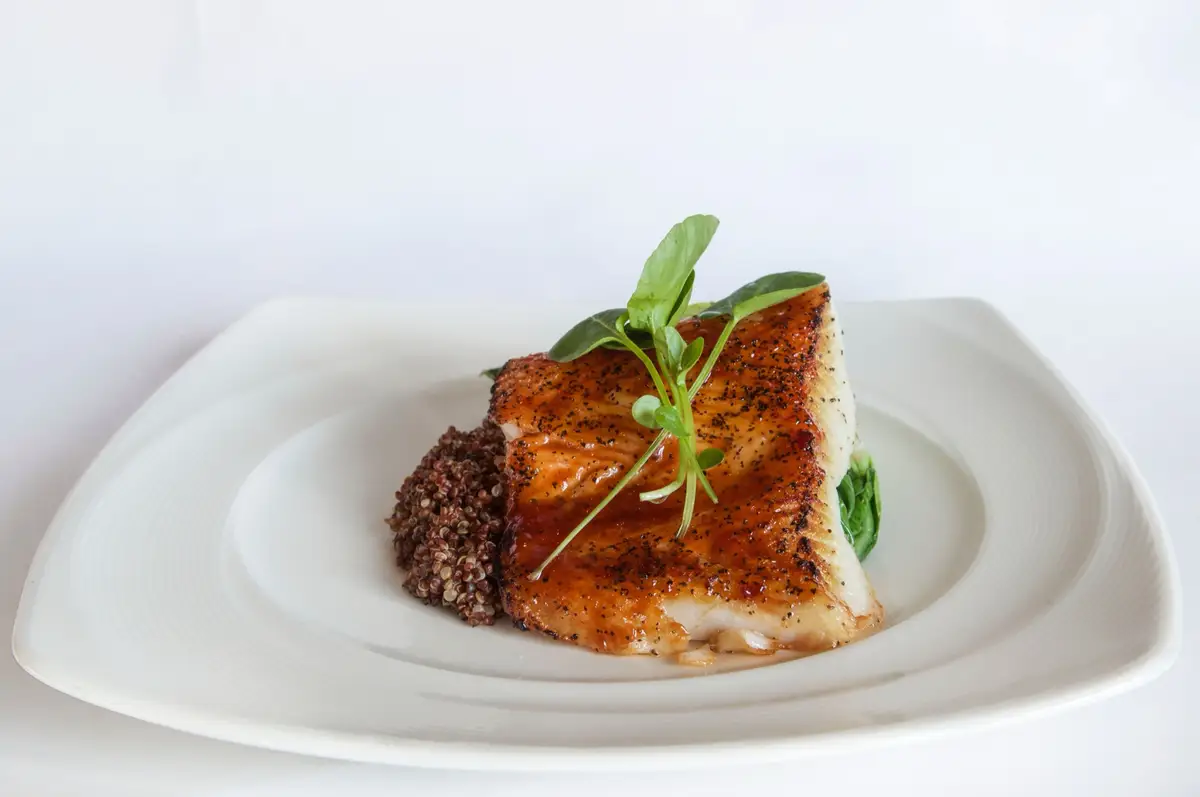
Gluten-free catering
Gluten-free dishes for guests who avoid gluten, and separately packed, labelled meals for guests with celiac disease, with a clear explanation of the…
ExploreAbout Silver Feast Catering
A catering kitchen in Toronto cooking for offices, weddings and private events across the GTA, with prices you can see and dietary needs planned in…
Explore
How it works
From the first inquiry to the last tray collected: what happens at each step, what we need from you, and how far ahead to book.
Explore
Full-service catering
Our team runs the food side of your event from load-in to the last tray out: chefs finishing food on site, servers, an event lead, setup, service and…
Explore
Catering questions, answered
Prices, booking, dietary meals, staff, delivery, venues, alcohol and food safety, in plain answers grouped by topic.
Explore