
Services
Full-service catering
Our team runs the food side of your event from load-in to the last tray out: chefs finishing food on site, servers, an event lead, setup, service and clearing.
What full service means
With drop-off catering, food arrives ready and your team takes it from there. With full service, we stay. An event lead works with your organizer or planner, chefs finish and plate food on site, servers pass, replenish and clear, and at the end the space is left clean of our equipment and food.
It is the right choice when the food is part of the experience (weddings, receptions, dinners), when guests should not serve themselves, when the event runs longer than about two hours, or when you, as the host, want to be a guest at your own event.
What is included and what is quoted separately
| Item | Full service | Drop-off |
|---|---|---|
| Menu planning and dietary matching | Included | Included |
| Food finished on site (searing, plating, frying) | Yes | No, arrives ready to eat |
| Event lead on site | Yes | No |
| Servers, chefs, bartenders | Billed hourly per staff member | Not included |
| Replenishing and clearing during the event | Yes | Host's responsibility |
| Rentals (plates, glassware, linens, tables) | Coordinated, quoted as a separate line | Disposables or host's own |
| Service charge | 18% | None |
| Minimum | 40 guests | 15 guests |
Every line appears separately on your quote, with 13% HST. The drop-off vs full service comparison goes through cost examples.
- Site detailsWe collect venue information: kitchen, power, water, load-in and rules.
- Menu and service planMenu, service style, staffing and rentals, all itemised in a proposal.
- Final detailsGuest count, dietary meals, floor plan and run of show confirmed before the event.
- Event dayLoad-in, walk-through, service, clearing and load-out, run by one event lead.
What we need from the venue
Many event spaces in Toronto and the GTA have no commercial kitchen: lofts, galleries, tents, rooftops and private homes. That is workable, but we need a back-of-house area and a few basics. Before we confirm a menu, we ask the venue or host about:
- Space. An area out of guest view for prep and plating, ideally near the service area. Plated dinners need considerably more than canapés.
- Power. The number of separate circuits available. Warming cabinets, induction burners and coffee equipment each draw heavily, and older buildings trip breakers easily.
- Water. Access to a sink for handwashing and rinsing. Where there is none, we plan portable handwashing.
- Load-in. Where to park or unload, freight elevator times and how far we carry equipment.
- Venue rules. Open flame, cooking restrictions, noise limits and the time we must be out.
Venue type guides for lofts and backyard and tented events cover the details for each kind of space.
Rentals
Full-service events usually need rentals: china, cutlery, glassware, linens and sometimes tables, chairs and a tent. We work out quantities from the menu (a plated three-course dinner with coffee needs far more pieces per guest than a canapé reception), coordinate delivery and pickup timing with the event schedule, and show rentals as their own line. If your venue supplies tableware, we check the inventory against the menu before the event.
How an event day runs
For an evening event, our team typically arrives three to four hours before guests to receive rentals, set up the kitchen area and stations, and prepare the first service. The event lead does a walk-through with your contact: timings, speeches, dietary meals and where the vendor meals go. During the event, the lead keeps the kitchen in step with the room so plates go out when the speeches end, not during them.
After service, staff clear tables, pack rentals as the rental company requires and remove our equipment and food waste. The staff hours on your quote include this setup and breakdown time, which is why a four-hour event is billed for more than four staff hours.
Vendor meals and timing with other suppliers
At weddings and larger events, photographers, DJs, planners and AV crews work through dinner. Agree the number of vendor meals in advance and when vendors eat. Most vendors want to eat while guests do, so they are free when speeches and dancing start. Our event lead also works to the same run of show as your planner or emcee, so a first dance or award presentation does not land while mains are being served.
Food safety on site
Ontario's food premises regulation (O. Reg. 493/17) requires a certified food handler or supervisor on site at a food premises during every hour of operation. It is a fair question to ask any caterer who on the event team holds that certification. Hot food is held hot, cold food cold, and food that has been out on a buffet or grazing table is removed within the time limits general food safety guidance sets, typically about two hours at room temperature. See our kitchen and food safety page.
Ask your venue about power
The most common on-site problem in older Toronto buildings is not the kitchen, it is electrical circuits. Ask how many separate circuits are near the back-of-house area.
Questions
Frequently asked
What is included in full-service catering?
Menu planning, food finished on site, an event lead, servers and chefs, replenishing and clearing, and coordination of rentals. Staff time, rentals and the service charge are itemised on the quote.
Does the venue need a kitchen?
No. Many venues have none. We need a back-of-house area, enough electrical circuits, access to water and a workable load-in.
Why are staff hours longer than my event?
Staff arrive hours before guests to set up and stay after to clear and load out. That time is part of the job and is billed.
What does the service charge cover?
The 18% service charge applies to staffed events. Your proposal explains what it covers alongside staff hours and HST.
Do you provide plates, glassware and linens?
We coordinate rentals based on your menu and guest count and show them as a separate line on your quote.
What is the minimum guest count for full service?
Full-service events start at 40 guests.
Keep planning
Related pages

Drop-off catering
Food delivered ready to serve, set out on your table with labels and serving utensils, without the cost of staff staying on site.
Explore
Event staffing
Servers, chefs, bartenders and an event lead for your catered event, planned by service style and guest count so the room is covered without paying…
ExploreDrop-off vs full-service catering
Drop-off catering brings the food; full service brings the food and the people to run it. The right choice depends less on budget than on how long…
Explore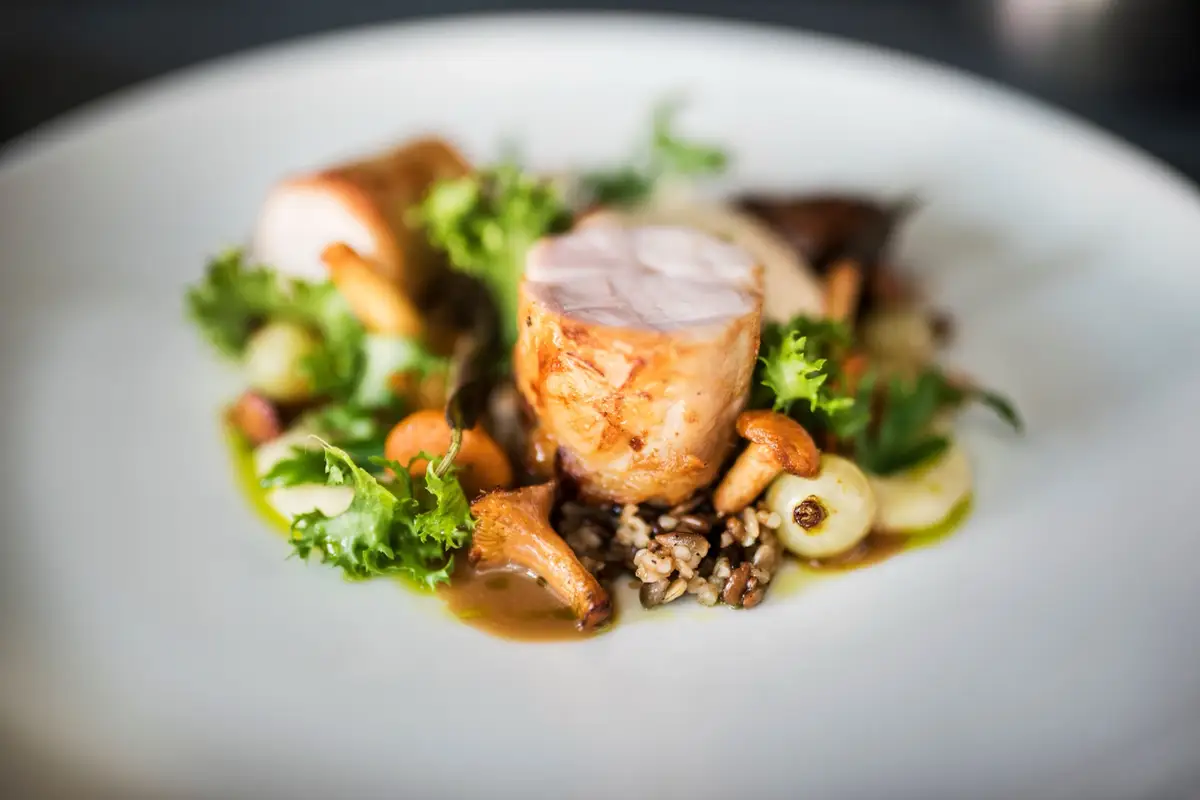
Plated dinner menu
A seated, served dinner of three or four courses. Choose one starter, one dessert and up to three mains (including a vegetarian or vegan main), and…
Explore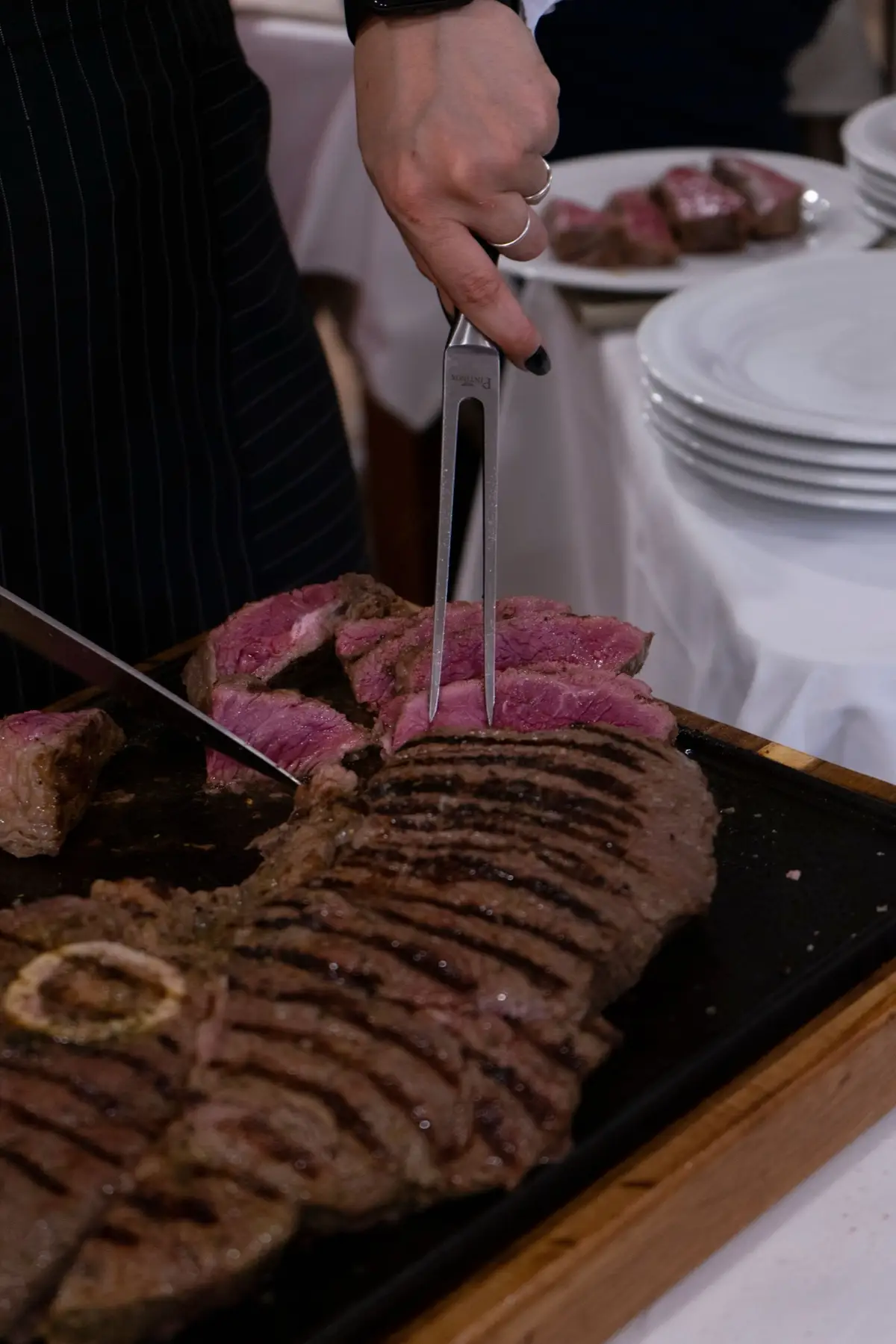
Food station menu
Attended stations where a chef carves, fries or finishes dishes in front of guests. Stations keep people moving around the room and make it easy to…
Explore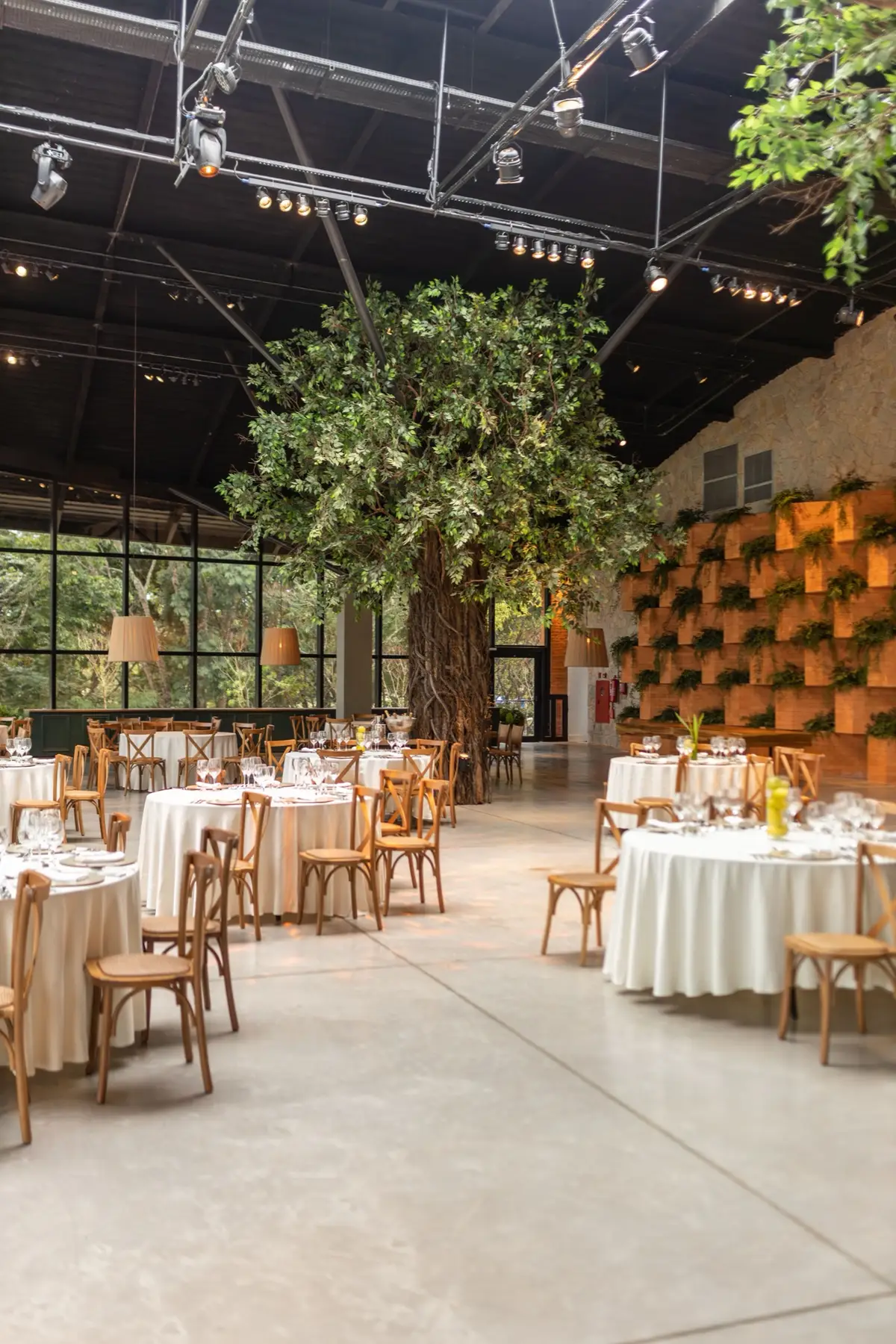
Catering lofts and industrial spaces
Brick, timber and big windows, and almost never a commercial kitchen. Here is how a loft event actually gets fed, from the freight elevator to the…
Explore