Cuisines
The cuisines we cook
Our kitchen cooks four styles: Mediterranean, Levantine Middle Eastern, South Asian and modern Canadian built on Ontario produce. Cuisine is the flavour of the food; it sits alongside two separate choices, your guests' dietary needs and the service format.
Cuisine, dietary requirement and format are three different questions
When clients describe the food they want, three decisions usually arrive mixed together. Separating them early makes the quote clearer and the menu better.
- Cuisine is the style of cooking: the spices, techniques and dishes. Chicken karahi and shish tawook are both chicken, but they belong to different kitchens and taste nothing alike.
- Dietary requirement is a rule some guests must follow: halal, vegan, gluten-free, an allergy. It applies to any cuisine. A vegan guest can eat well from a Levantine mezze table or a modern Canadian plated dinner. See our dietary catering pages for how we handle each one.
- Format is how the food reaches guests: canapés, stations, buffet, plated, family-style platters or boxed lunches.
A request like "halal Indian buffet for 120" is really three answers: South Asian cuisine, halal-sourced meat, buffet format. Each one changes the menu in a different way, and each can be adjusted without undoing the other two.
Why we keep the list short
We only put a cuisine on this site if our kitchen cooks it regularly, with its own spice pantry, its own techniques and dishes we have tested at catering volume. A kitchen that lists twelve cuisines is usually cooking one style and changing the garnish.
If you need a cuisine we do not cook, such as Caribbean, Filipino, Persian or Chinese banquet food, we will say so, and for a mixed event we can talk about how our part of the menu fits beside a specialist caterer or a family's own cooking, where the venue allows it.
| Cuisine | Formats that suit it | Strong dietary overlap | Busiest times |
|---|---|---|---|
| Mediterranean | Family-style, buffet, boxed lunch, canapés | Vegetarian, gluten-free options, halal-sourced on request | May–September |
| Middle Eastern (Levantine) | Mezze grazing, stations, family-style | Vegan mezze, halal-sourced meat | Ramadan, Eid, summer weddings |
| South Asian | Buffet, live stations, passed snacks | Vegetarian, vegan, Jain on request, halal-sourced meat | Wedding season, Diwali, Eid |
| Modern Canadian | Plated, canapés, family-style | Gluten-free, dairy-free, vegan | Holiday parties, fall weddings |
What each cuisine does best
Each style suits some events more naturally than others. These are tendencies, not rules.
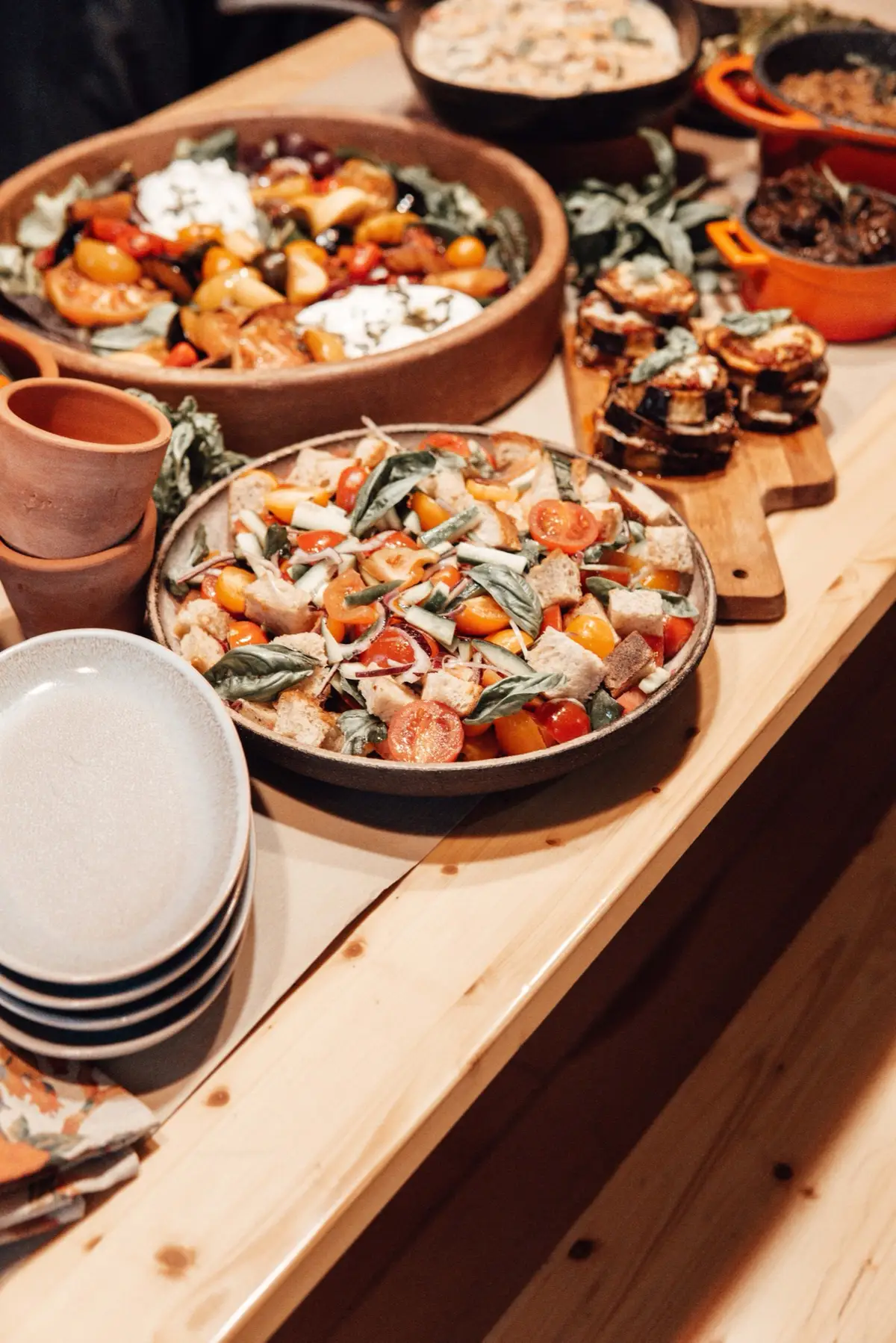
- Mediterranean (Greek, southern Italian, Spanish and Turkish coastal cooking): grilled fish and meats, big salads, olive oil and lemon. Light enough for a summer office lunch, generous enough for a family-style wedding dinner.
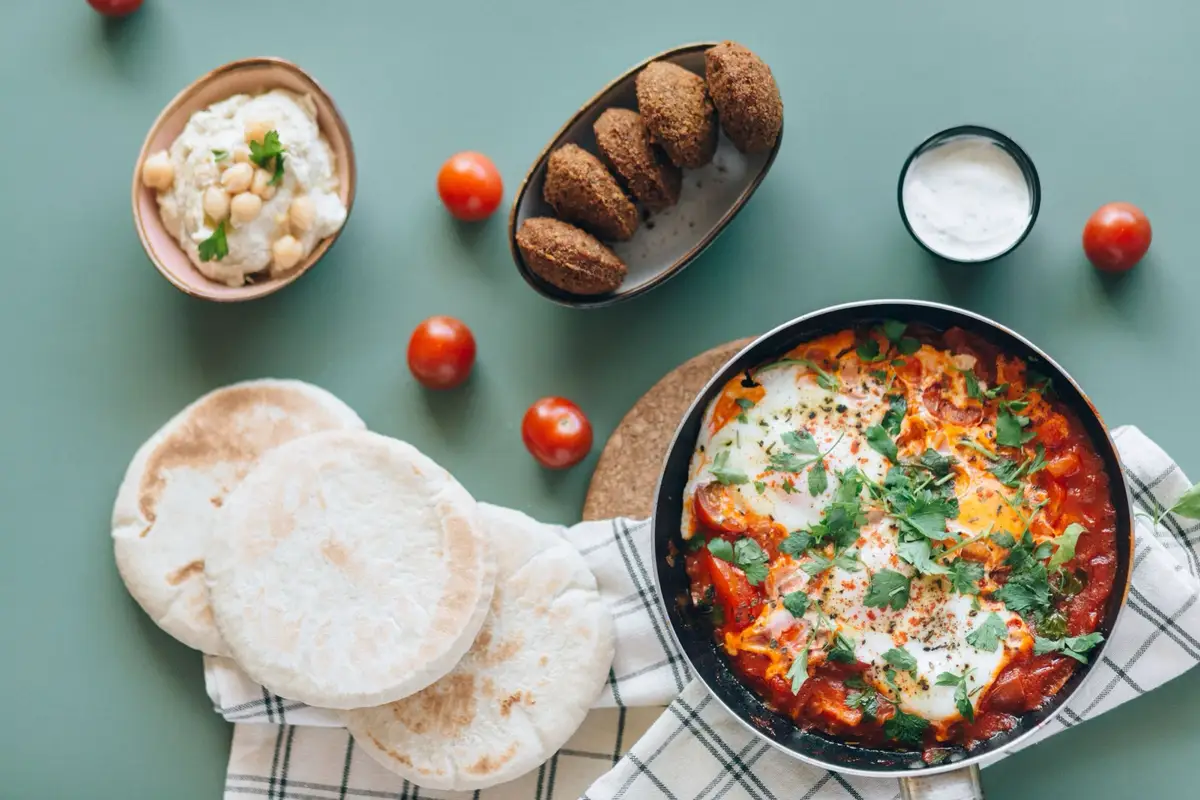
- Middle Eastern with a Levantine focus (Lebanese, Syrian, Palestinian, Jordanian): mezze, grilled skewers, rice dishes and pastries. Built for sharing, and naturally strong for vegetarian and halal-sourced menus.
- South Asian (North and South Indian, Pakistani, Sri Lankan, Bangladeshi): curries, biryanis, grills and chaat. Holds well hot, which makes it one of the best choices for large buffets and multi-day wedding events.
- Modern Canadian: seasonal Ontario produce, Great Lakes fish, Ontario meats and cheese, cooked with a light hand. The natural fit for plated dinners, canapé receptions and client events where the menu follows the season.
How we build a mixed-cuisine menu
GTA guest lists are rarely one background, and many events deliberately combine cuisines: a Lebanese-Canadian couple, a company with offices in Mississauga and Bangalore, a family that wants biryani at dinner and butter tarts at dessert. Mixing works when it is planned; it fails when a buffet becomes a row of unrelated dishes.
These are the rules we plan with:
- Split by course or by moment, not dish by dish. A modern Canadian canapé hour followed by a South Asian dinner reads as a deliberate choice. Butter chicken next to a beet salad and a spanakopita on the same plate does not.
- One lead cuisine per meal. For a buffet or plated dinner we pick one cuisine for the mains and let the second appear in a station, the dessert table or late-night food.
- Pair neighbours. Levantine and Mediterranean share olive oil, grilled meats and flatbreads, so they sit together easily. South Asian and Levantine meet in rice, grills and chickpeas. Modern Canadian works as a neutral frame around almost anything.
- Give each cuisine its own station or line. Separate stations keep flavours clear, spread guests around the room and make labelling simpler.
- Label heat, not just ingredients. Spice tolerance varies widely in any room. We mark mild, medium and hot, and we keep at least one dish in each cuisine mild.
- Plan dietary needs across the whole menu. If a guest needs halal meat, every meat dish in every cuisine is halal-sourced, not only the South Asian ones. Vegan and gluten-free choices should appear in each cuisine, not only on one table.
Portions and quantities when cuisines are combined
Guests eat more variety, not more food. When two cuisines are served at one meal, we keep the total quantity close to a single-cuisine menu and reduce the portion of each dish. For a two-station dinner, each guest typically takes 60–90 g of protein from each station rather than a full portion at both. Our guide to how much food per person covers the numbers in detail.
The exception is rice and bread. At South Asian and Levantine meals, rice and bread are central, not sides, and guests take more of them than planners expect. We plan them generously.
Seasons, holidays and booking
Cuisine choice affects timing. Levantine and South Asian menus are in heavy demand around Ramadan and Eid (on the lunar calendar, so the dates move about 11 days earlier each year), Diwali in October or November and the summer wedding season. Modern Canadian menus change most through the year: asparagus in May, strawberries in June, corn and tomatoes in August, squash and apples in the fall. Book 2 weeks ahead for full-service events and 6 months ahead for weddings; peak dates go first.
Tell us three things
When you ask for a quote, name the cuisine you want, any dietary rules your guests follow and the service format. If you are unsure about any of the three, describe the event and we will suggest options.
Cuisines
In this section
Mediterranean catering
Grilled meat and fish, salads dressed at the last minute, slow-roasted vegetables and good bread, cooked in the Greek, Spanish, southern Italian and…
Explore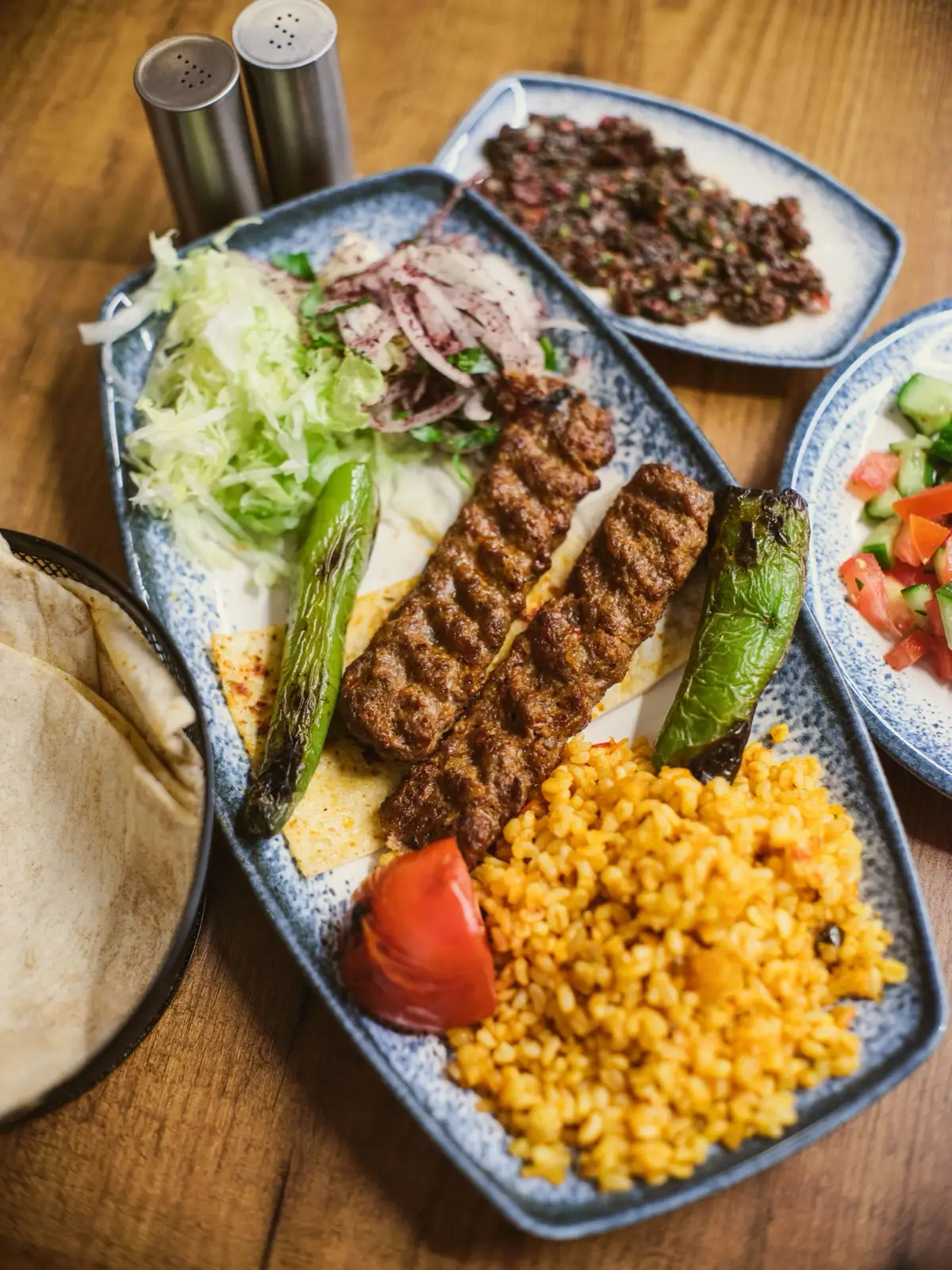
Middle Eastern catering, Levantine style
Mezze, grilled skewers, rice dishes and pastries from Lebanon, Syria, Palestine and Jordan, planned for sharing and for guests who expect the dishes…
Explore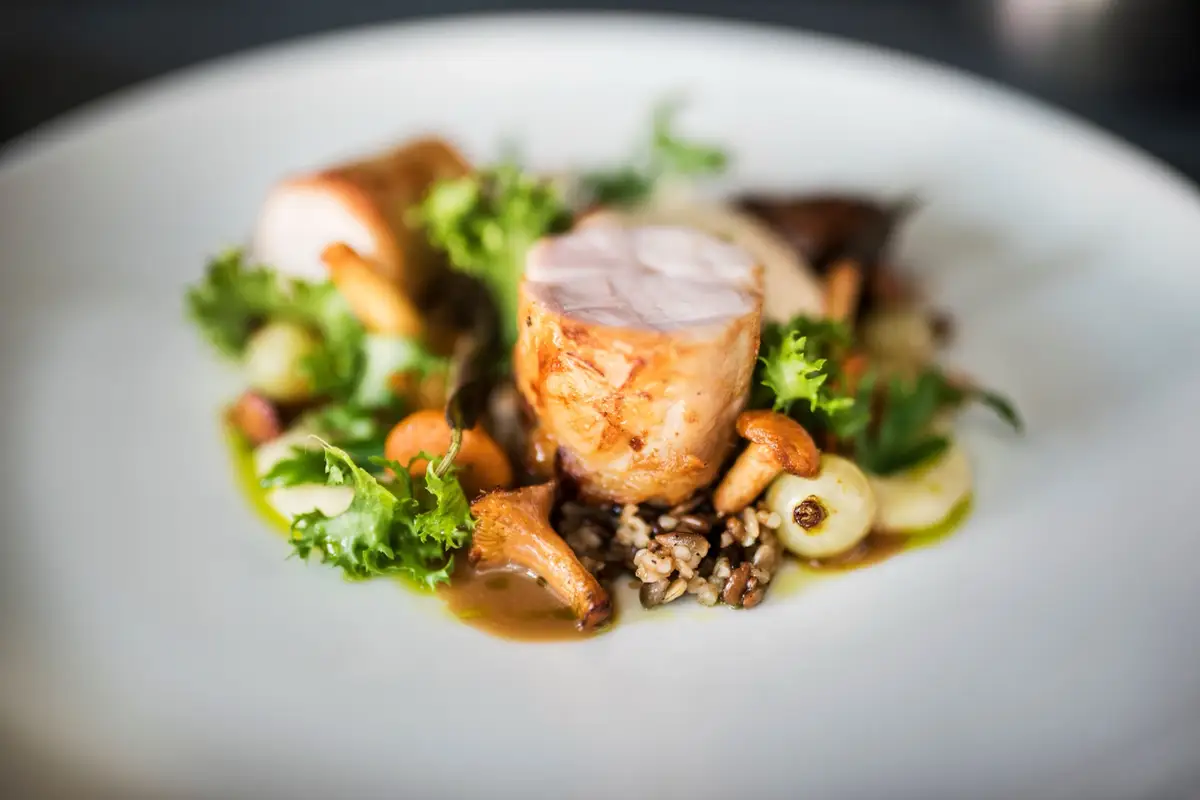
Modern Canadian catering
Menus that change with the Ontario growing season: asparagus and trout in spring, corn and tomatoes in late summer, squash, apples and braised meats…
Explore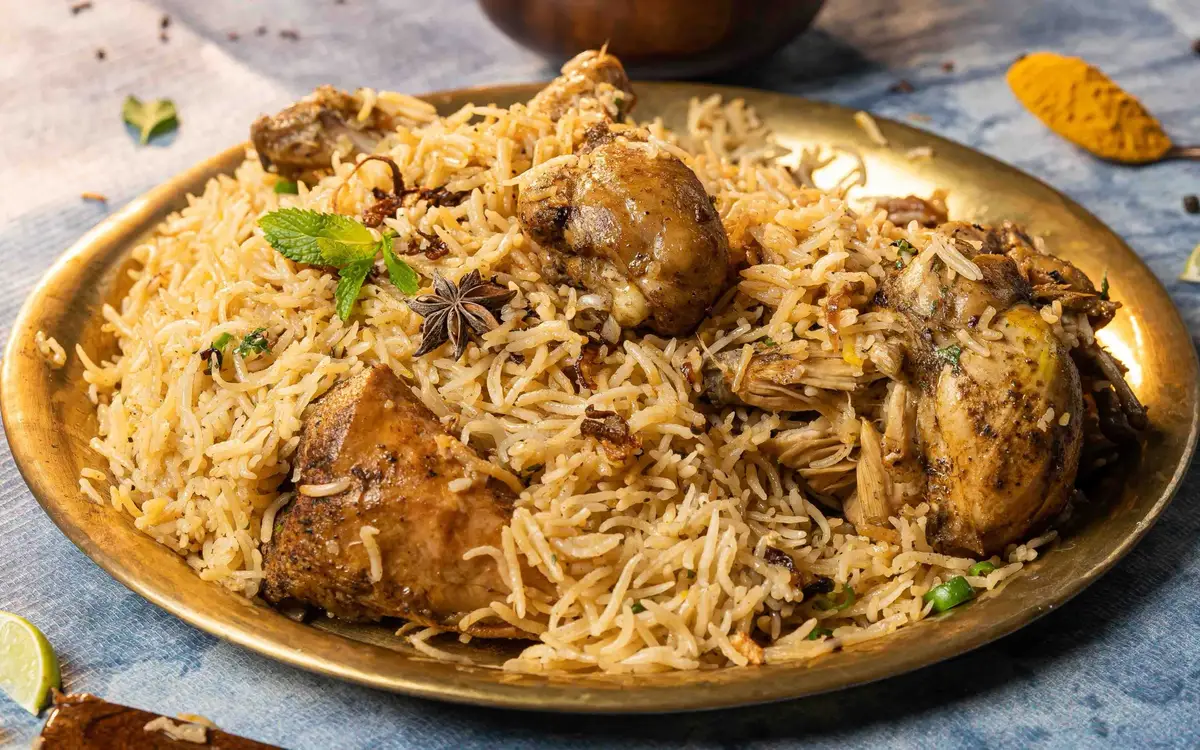
South Asian catering
North and South Indian, Pakistani, Sri Lankan and Bangladeshi dishes, cooked as distinct regional traditions and served with vegetarian and…
ExploreQuestions
Frequently asked
Can you serve two cuisines at the same event?
Yes. We usually split them by course or by station, for example a modern Canadian canapé reception followed by a South Asian dinner, rather than mixing dishes on one buffet line.
Is halal food a cuisine?
No. Halal is a dietary requirement about how meat is sourced and what ingredients are used. It can apply to any of our cuisines, and we confirm sourcing in writing for each order.
Do you cook cuisines not listed here?
We only cook the four cuisines on this page. If you need another, we will tell you honestly and can discuss how our menu might sit alongside a specialist caterer where the venue allows it.
Can you adjust the spice level?
Yes. We mark dishes mild, medium or hot and keep at least one mild option in each cuisine. For South Asian menus we can hold chilli back and serve heat on the side.
Does the cuisine change the price?
Format and staffing affect price far more than cuisine. Dishes with premium proteins, such as lamb or whole fish, cost more than vegetable and chicken dishes in any cuisine.
Keep planning
Related pages
Mediterranean catering
Grilled meat and fish, salads dressed at the last minute, slow-roasted vegetables and good bread, cooked in the Greek, Spanish, southern Italian and…
ExploreMiddle Eastern catering, Levantine style
Mezze, grilled skewers, rice dishes and pastries from Lebanon, Syria, Palestine and Jordan, planned for sharing and for guests who expect the dishes…
ExploreSouth Asian catering
North and South Indian, Pakistani, Sri Lankan and Bangladeshi dishes, cooked as distinct regional traditions and served with vegetarian and…
ExploreModern Canadian catering
Menus that change with the Ontario growing season: asparagus and trout in spring, corn and tomatoes in late summer, squash, apples and braised meats…
ExploreCatering for dietary restrictions
We plan halal, vegan, gluten-free and allergy-aware meals into the menu from the first quote, so the guest with a restriction gets the same food…
Explore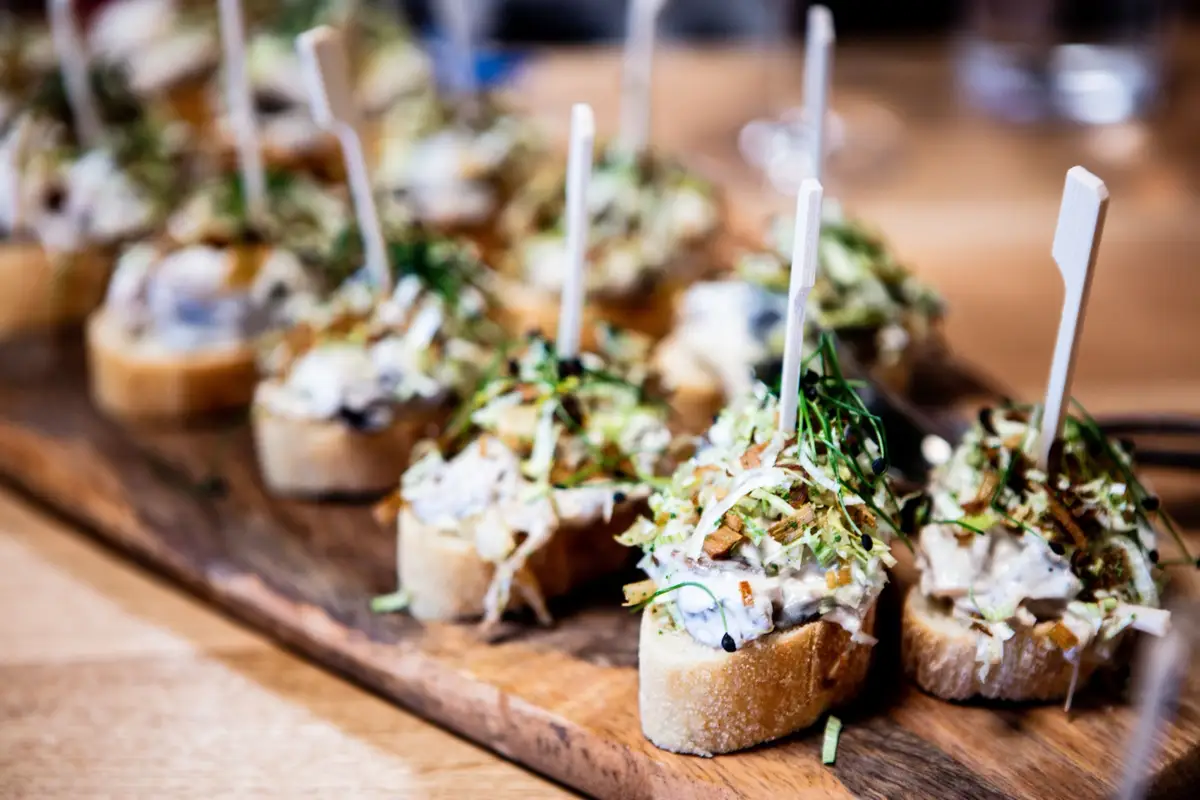
Catering menus
Seven menu formats, each built for a different time of day, guest count and room. Every dish carries dietary codes, every page shows a starting price…
Explore