Venues
Catering at Toronto and GTA venues
Most venue problems are logistics problems: no kitchen, a 30-minute load-in window, one freight elevator, a fee nobody mentioned. These guides explain how each type of space changes the catering plan, before you sign anything.
Can you bring your own caterer? Three venue models
Before you fall in love with a space, find out which of three models it uses. The answer affects your budget more than the room rental itself.
Exclusive caterer. The venue has one in-house or contracted caterer and no outside food is allowed. Some exclusive venues will let an outside caterer in for a buy-out fee, often charged per guest. If a couple or company already knows who they want to cook, this fee has to be priced in from day one.
Preferred caterer list. The venue names a short list of approved caterers. Caterers on the list have usually done the venue's walkthrough and supplied insurance paperwork. Going off-list is sometimes possible with an admin fee, a larger damage deposit or a site visit at your cost.
Open venue. Lofts, galleries, private homes, many community halls, farms and rooftop amenity spaces usually let you choose any caterer who meets their rules. That freedom comes with work: the space often has no commercial kitchen, limited power and no staff, so the caterer brings or rents what is missing.
Fees and conditions that show up after the site tour
The rental quote rarely lists everything. These are the line items we see most often when clients forward us a venue contract:
- Outside caterer or buy-out fee at exclusive or preferred-list venues.
- Kitchen use fee when a hall or event space has a kitchen but charges separately to open it.
- Certificate of insurance (COI) naming the venue or building as additional insured. Many Toronto buildings ask for it a week or more before the event.
- Load-in and load-out windows, sometimes with overtime charges if your caterer or rental company runs late.
- Garbage and recycling removal. Many lofts and galleries require everything to leave with the vendors the same night.
- Security or building staff billed per hour for after-hours access or freight elevator operation.
- Damage deposit tied to rules on open flame, tape on walls or red wine.
None of these are unreasonable. They just need to be in the budget before the deposit goes down.
Questions to send every venue
- Exclusive, preferred list or open to any caterer? Any buy-out or admin fee?
- Is there a kitchen or prep room, and is there a fee to use it?
- What power is available, and are generators or propane allowed outside?
- Where is the load-in, and can a freight elevator or dock be booked?
- What are the setup start time and the hard out time?
- Is a certificate of insurance required, and by what date?
- Rules on open flame, chafing fuel, red wine, confetti or decor?
- Is alcohol allowed, and must the venue's own bar staff serve it?
- Who removes garbage, recycling and organics at the end of the night?
- Are tables, chairs or linens included, or does everything need to be rented?
| Venue type | Kitchen | Typical constraint | Formats that travel well |
|---|---|---|---|
| Loft / industrial | Usually none | Power and freight elevator | Canapés, stations, plated with a mobile kitchen |
| Gallery / museum | Rarely usable | No open flame, food kept away from art | Passed canapés, small plates |
| Backyard / tent | None (field kitchen) | Power, water, washrooms | Family-style, buffet, grill stations |
| Rooftop / terrace | Sometimes a pantry | Wind, heat, elevator trips | Cold canapés, room-temperature mezze |
| Private home / condo | Domestic kitchen | Oven and fridge space | Plated for small groups, family-style |
| Office / boardroom | Kitchenette at most | Security and timing | Boxed lunches, platters, hot buffet |
| Barn / farm / winery | Varies widely | Drive time and water | Family-style, stations, grilled mains |
| Community / cultural hall | Often a full kitchen with rules | Large counts, kitchen access | Hot buffet, multiple service lines |
What we need from a venue to quote accurately
A catering quote for an unfamiliar space is only as good as the information behind it. When you send an inquiry, the following saves a round of emails and usually a site visit:
- A floor plan or photos of the room, plus photos of any kitchen, prep room or back corridor.
- The load-in route: street, laneway or loading dock, and whether a freight elevator can be booked.
- Available power: how many outlets, on how many circuits, and whether a generator is allowed outside.
- Water: is there a sink we can use for handwashing and rinsing, and where does grey water go?
- The venue's rules document, especially anything on open flame, alcohol, noise, decor and end times.
- Access times for setup and the hard out time for clearing.
With that, we can tell you which service formats will work, what rentals are needed and how many staff it takes, and we can put it all in one written proposal. You can start that on our quote page.
How the type of space changes the menu
The same guest count can need very different plans depending on the room. A 120-guest seated dinner is simple in a banquet hall with a working kitchen and hard in a fourth-floor loft reached by one freight elevator. Our venue guides cover the specifics:
- Lofts and industrial spaces: no kitchen, older wiring, freight elevators.
- Galleries and museums: open-flame and food-near-art rules, tight load-in windows.
- Backyards and tents: field kitchens, power, washrooms, neighbours.
- Rooftops and terraces: wind, sun, elevator trips and building paperwork.
- Private homes and condos: small kitchens, party-room rules, concierge desks.
- Offices and boardrooms: security desks, docks, labelling and tight timing.
- Barns, farms and wineries: drive time, well water, cold chain.
- Cultural and community halls: kitchen rules, large counts, separate service lines.
We do not publish a list of partner venues, because we don't have exclusive arrangements to advertise. What we can offer is a straight answer on whether a space you are considering works for the menu and service you have in mind.
Alcohol changes the venue question
If there will be a bar, ask the venue early whether alcohol is allowed at all and who may serve it. In Ontario, a private event at a venue without its own liquor licence usually runs under a Special Occasion Permit taken out by the host through the AGCO. The AGCO sets a deadline of at least 10 days before a private indoor event and at least 30 days for other events, and liquor cannot be sold at a residence. A licensed venue will typically require its own bar service. Our Special Occasion Permit guide covers the steps.
Ask this first
Before a site tour, email the venue one question: "Do you have an exclusive or preferred caterer list, and what is the fee to bring in an outside caterer?" The answer tells you whether the space fits your plan before you spend an afternoon there.
Venues
In this section
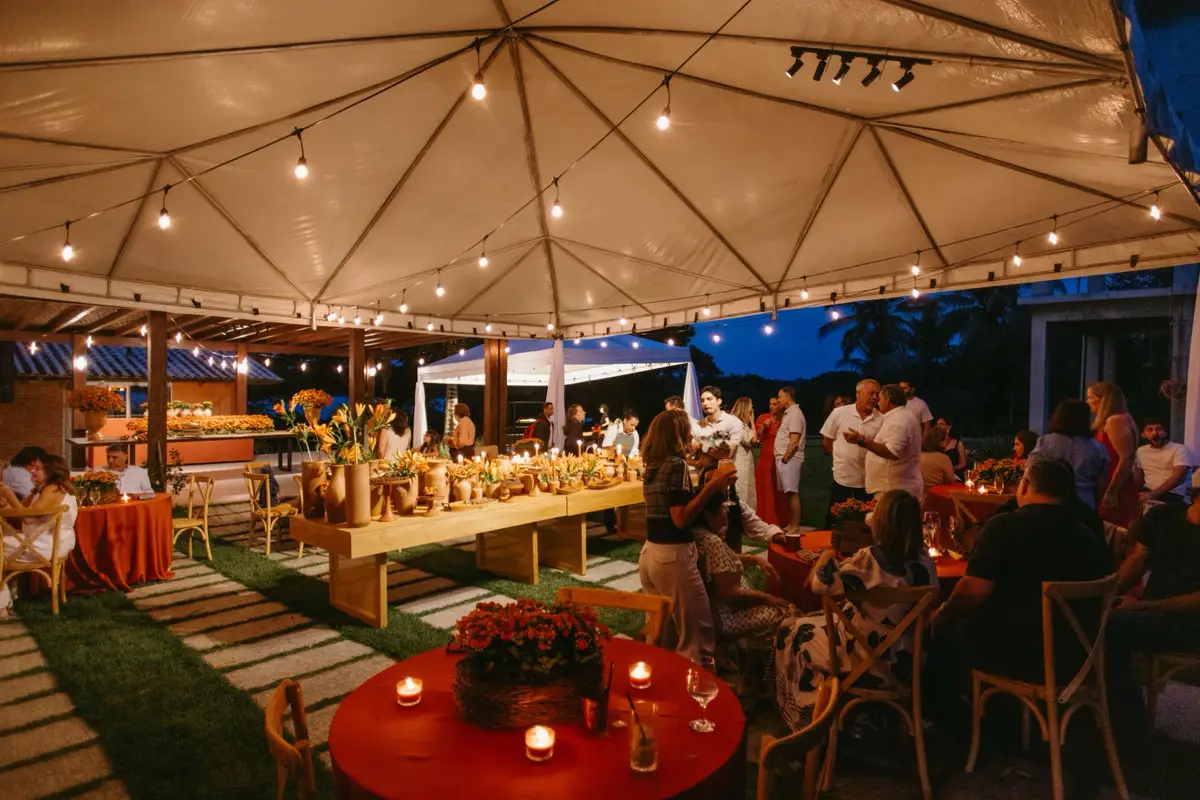
Catering backyard and tented events
A backyard has no kitchen, no dish pit, no washrooms for 120 people and no roof. Every one of those has a practical fix, and they all need to be…
Explore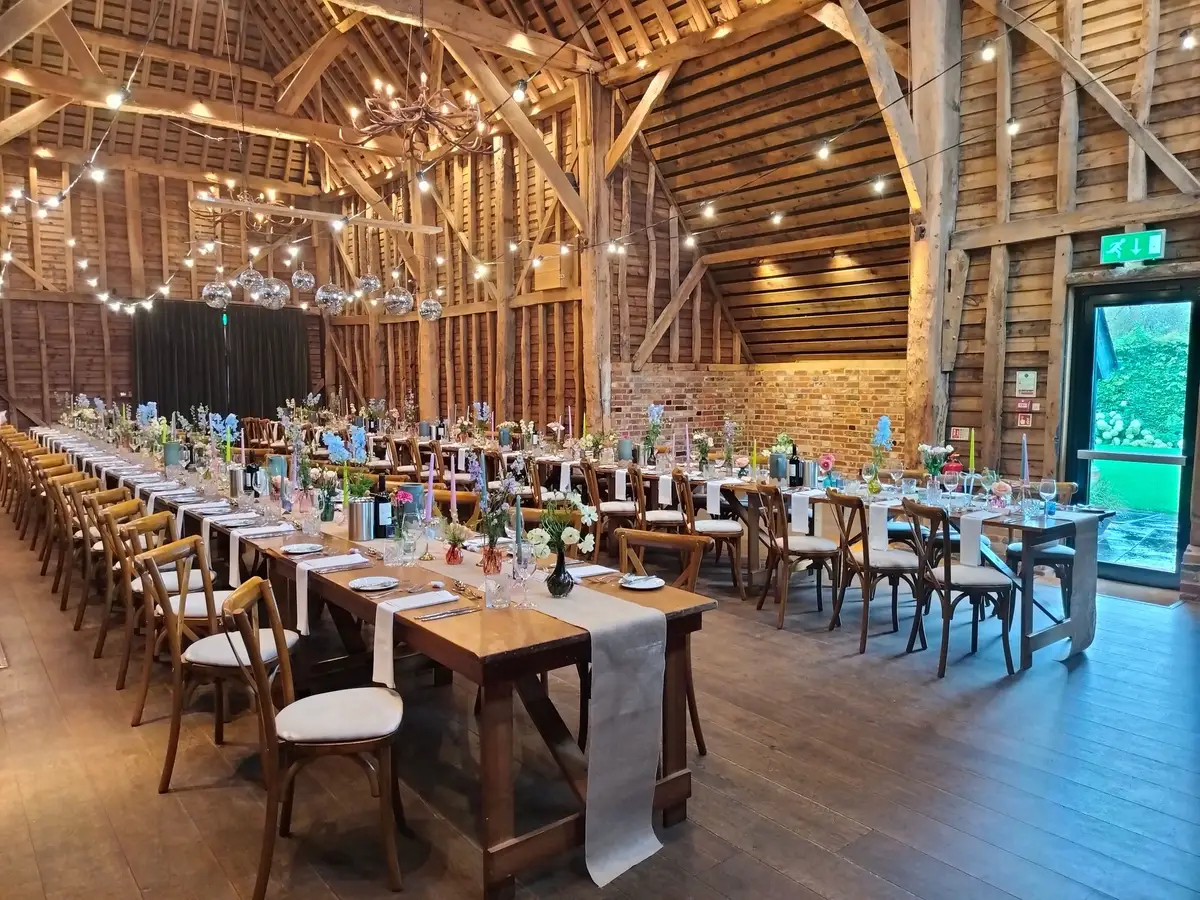
Catering barns, farms and wineries
Rural venues trade city constraints for different ones: distance, water, power, gravel and weather. The catering plan has to be self-sufficient from…
Explore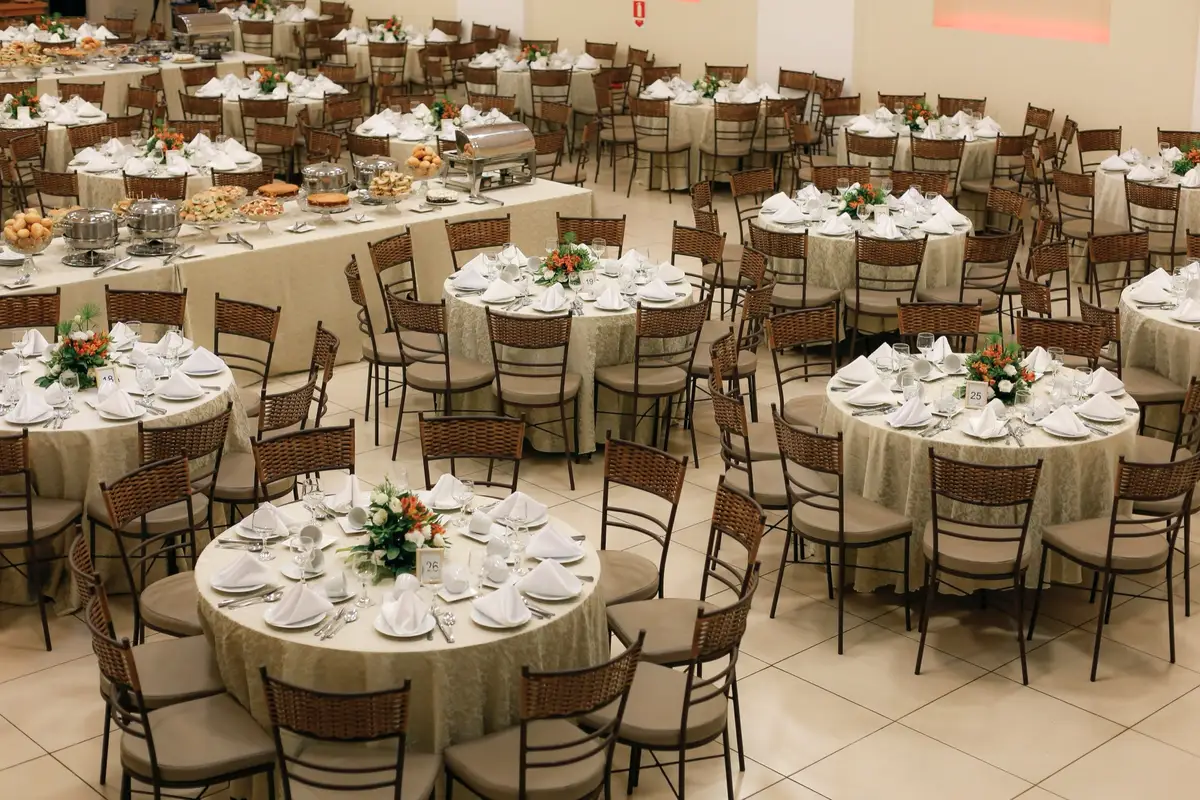
Catering cultural and community halls
Community halls host the GTA's biggest family events: 200-guest anniversaries, Eid dinners, Diwali parties, memorials and fundraisers. They usually…
Explore
Catering galleries and museums
In a gallery the art sets the rules. Menus are built around one-bite food, careful staff and a load-in that happens after the public leaves.
ExploreCatering lofts and industrial spaces
Brick, timber and big windows, and almost never a commercial kitchen. Here is how a loft event actually gets fed, from the freight elevator to the…
Explore
Catering offices and boardrooms
Office catering is judged in the ten minutes before a meeting starts. Getting food through security, up the right elevator and onto the table on time…
Explore
Catering at private homes and condos
A home dinner for 14 and a condo party-room birthday for 60 are different jobs. Both depend on a kitchen, an elevator or a front door that was never…
Explore
Catering rooftops and terraces
The view is the easy part. Rooftop events are decided by wind, sun, elevator trips and the building's paperwork, so the plan starts with those.
ExploreQuestions
Frequently asked
How do I find venues in Toronto that allow outside catering?
Ask each venue directly whether it has an exclusive caterer, a preferred list or an open policy. Lofts, galleries, private event spaces, many community halls and farms tend to be open; hotels and banquet halls more often have exclusive catering.
What is a caterer buy-out fee?
It is a fee some venues with an exclusive or preferred caterer charge to let a different caterer work the event, often calculated per guest. Ask for it in writing before you commit to the space.
Does the caterer need insurance to work at a venue?
Most Toronto venues and condo or office buildings ask outside caterers for a certificate of insurance naming them as additional insured. Tell us the venue's requirements with your inquiry and we will confirm what we can provide.
Can you cater a venue that has no kitchen?
Yes. Many event spaces have no kitchen. The plan then relies on food prepared in our kitchen, finished on site with rented or portable equipment, and a menu chosen to hold and travel well.
Will you do a site visit?
For full-service events at a space we have not planned before, a walkthrough or a detailed set of photos and a floor plan is part of building the proposal. For drop-off orders, a clear delivery address, access notes and a contact on site are usually enough.
Do you have a list of partner venues?
No. We don't advertise venue partnerships. Our venue guides explain what to look for in each type of space so you can judge a venue yourself, and we are glad to review a specific venue's rules with you.
Keep planning
Related pages
Venues that allow outside catering in Toronto: how to check, and what it costs
Most hotels, banquet halls and golf clubs in the GTA require their own kitchen or an approved caterer. Lofts, community halls, private homes and many…
Read the guide
Full-service catering
Our team runs the food side of your event from load-in to the last tray out: chefs finishing food on site, servers, an event lead, setup, service and…
Explore
Wedding catering in Toronto and the GTA
Full-service wedding catering from our kitchen: canapé receptions, long-table dinners for small weddings, and tented backyard celebrations. You get a…
Explore
Private event catering in Toronto
Party catering for homes, condo party rooms and rented spaces across Toronto and the GTA: a drop-off spread for 20 people on a Sunday, or a fully…
Explore
Corporate event and reception catering
Canapés, food stations and grazing tables with full service for client receptions, product launches, open houses and awards nights across Toronto and…
Explore
How it works
From the first inquiry to the last tray collected: what happens at each step, what we need from you, and how far ahead to book.
Explore