
Compare
Catering options, compared honestly
Most catering decisions come down to a handful of trade-offs between cost, staff, space, time and how guests eat. These comparisons put the trade-offs side by side so you can choose before you request a quote.
Why format matters more than menu
Two events with the same menu can differ in cost by a wide margin because of the service format. A braised short rib served on a buffet, on a family-style platter and as a plated main uses the same ingredients, but not the same number of staff, rentals, kitchen space or minutes of the evening.
That is why we ask about format early. Once you know how guests will eat, the menu, staffing, rentals and timeline follow. Choose the menu first and the format later, and you often end up reworking both.
The five decisions people ask about most
Buffet vs plated. The classic wedding and gala question. Plated service costs more in staff and needs meal choices in advance; buffets give guests choice and quantity but take longer to move a room through and need floor space for lines.
Drop-off vs full service. The question for office events, home parties and receptions. Drop-off is simpler and cheaper; full service adds staff who set up, keep food safe and looking right, and clear afterwards.
Stations vs family-style. Two ways to make a dinner feel generous without a formal plated menu. Stations get guests moving and mingling; family-style keeps them seated and sharing.
Boxed lunches vs platters. The office lunch question. Boxes are individual, labelled and quick; platters are usually better value and feel more like a shared meal.
Caterer vs restaurant marketplace. For companies ordering food regularly. Marketplaces offer range and ordering tools; a caterer offers one accountable kitchen and event service.
| Comparison | Main trade-off | Usually decided by |
|---|---|---|
| Buffet vs plated | Choice and volume vs pace and polish | Budget per guest, staffing, formality |
| Drop-off vs full service | Lower cost vs hands-on service | Guest count, event length, who clears up |
| Stations vs family-style | Mingling vs seated sharing | Floor space, table size, event mood |
| Boxed lunches vs platters | Individual labelling vs value and flexibility | Dietary mix, meeting format |
| Caterer vs marketplace | One accountable kitchen vs range and ordering tools | Event needs, ordering frequency |
Five questions that decide most comparisons
Almost every format choice can be made by answering these, in this order:
- How many guests, and how long is the event? Guest count drives staffing and the number of service points. Event length decides whether food needs refreshing and how much is needed.
- What does the venue allow? A room with no kitchen, a 40-minute load-in or a ban on open flame rules out some formats before budget comes into it. Our venue guides cover the common constraints.
- Should guests sit, stand or move? Seated dinners suit plated or family-style service. Receptions where people should mix suit stations and passed food.
- How varied are the dietary needs? Mixed halal, vegan, gluten-free and allergy requirements are easier to control with individually served or clearly separated food.
- What is the all-in budget per guest? Include staff, rentals, delivery, service charge and 13% HST, not only the menu price.
Which formats fit which events
A rough starting point, before venue and budget narrow things down:
- Weekday office lunch, 10–60 people: boxed lunches or platters, delivered. Staff are rarely needed.
- All-day conference or training: a mix of drop-off breaks and a staffed or semi-staffed lunch, with food refreshed at each break.
- Client reception or launch: passed canapés with one or two stations, fully staffed, so guests keep their hands free for conversation.
- Wedding for 80–200 guests: plated, buffet, family-style or stations, depending on the program, venue and budget. This is where the comparisons matter most.
- Home dinner for 8–20: plated or family-style, with a chef and one or two servers.
- Large family or community event, 200+ guests: a hot buffet with several lines and separate sections for specific dietary needs, often with table service for elders or a head table.
Hidden costs to include when comparing
Menu price per person is the number people compare first, but it is rarely the number that decides the budget. When comparing two formats, or two caterers, line up the same items for both: staff hours and minimums, delivery or travel fees, rentals (plates, glassware, linens, serving tables), a service charge if one applies, and 13% HST on the total. A format that looks cheaper per plate can end up close to the more expensive one once staff and rentals are added. Ask for the all-in estimate for your guest count, not a per-person menu price alone.
What the comparisons do not tell you
Comparisons show typical trade-offs. They cannot account for a specific venue's rules, a family tradition about who is served first, or a CEO who wants lunch on the table before the board arrives. Use them to narrow the choice to one or two formats, then ask for a proposal that prices both. We are glad to quote two formats side by side for the same event.
We also keep the comparisons neutral. Every format on these pages is one we would recommend for the right event, and we say so when the cheaper or simpler option is the better fit.
Prices in the comparisons
Where we show our own starting prices, they come from our pricing page and are per person, before HST, service charge and delivery. Where we mention typical Toronto ranges, we name the third-party source, such as EventSource's wedding catering cost guide. Final prices depend on menu, guest count, date and venue, and are confirmed in writing in your proposal.
Compare
In this section

Boxed lunches vs platters for the office
Boxed lunches give every person a labelled meal in seconds. Platters feed a team for less and feel like a shared lunch. The mix of dietary needs in…
Explore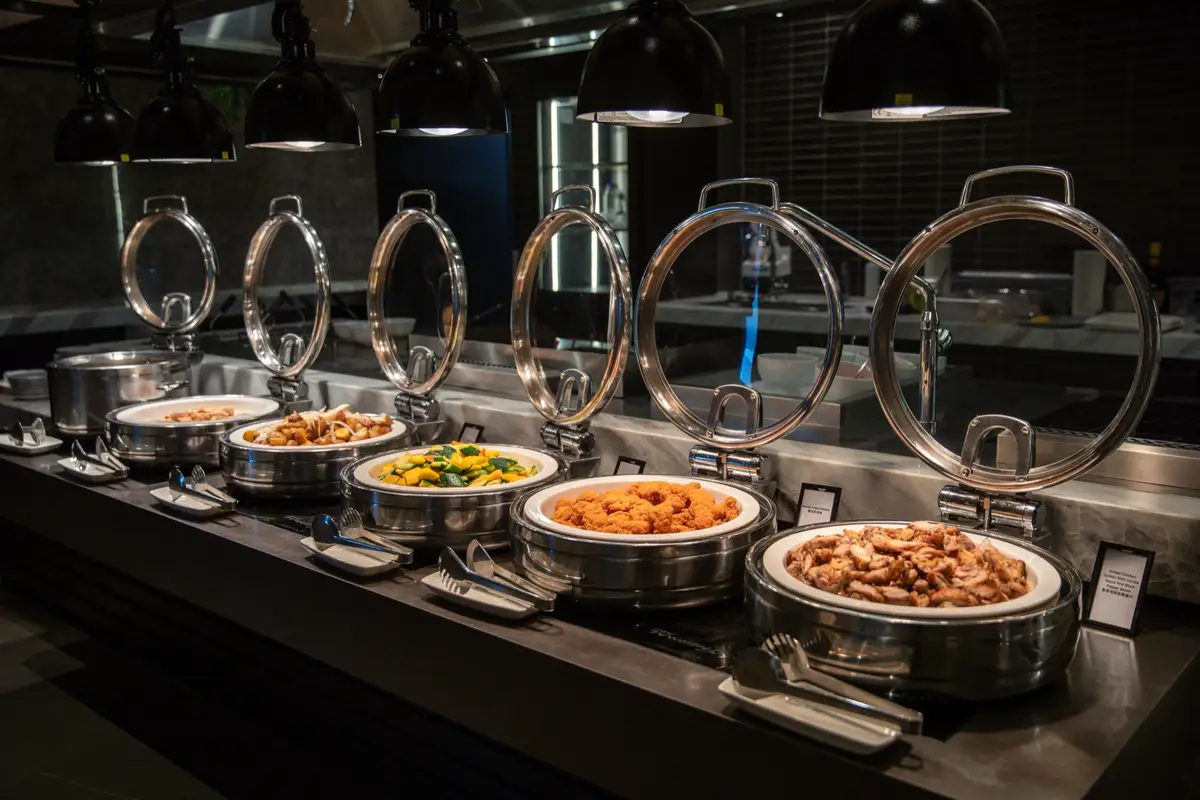
Buffet vs plated: which service suits your event?
A plated dinner costs more mainly because of staff and preparation, not ingredients. A buffet gives guests choice and quantity but asks for more…
Explore
A caterer or a restaurant marketplace?
Marketplaces connect you to many restaurants through one ordering platform. A catering company cooks everything in its own kitchen and can staff…
Explore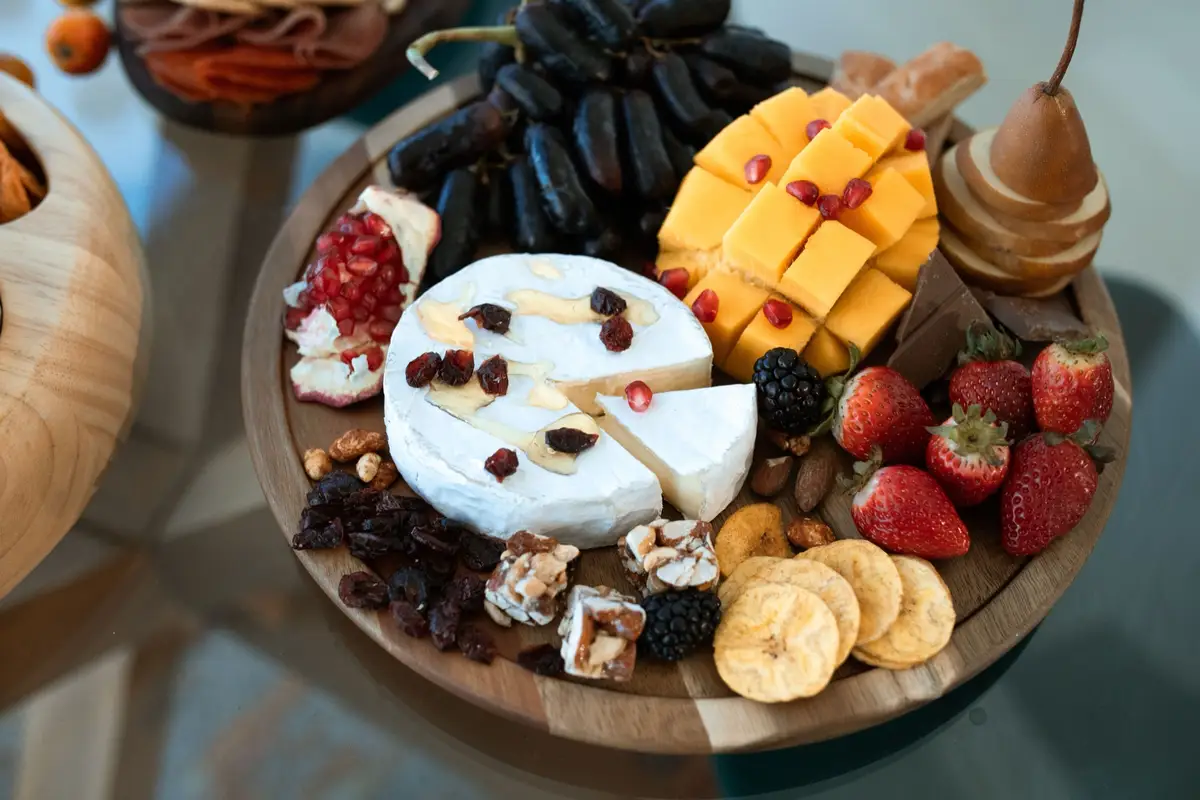
Drop-off vs full-service catering
Drop-off catering brings the food; full service brings the food and the people to run it. The right choice depends less on budget than on how long…
Explore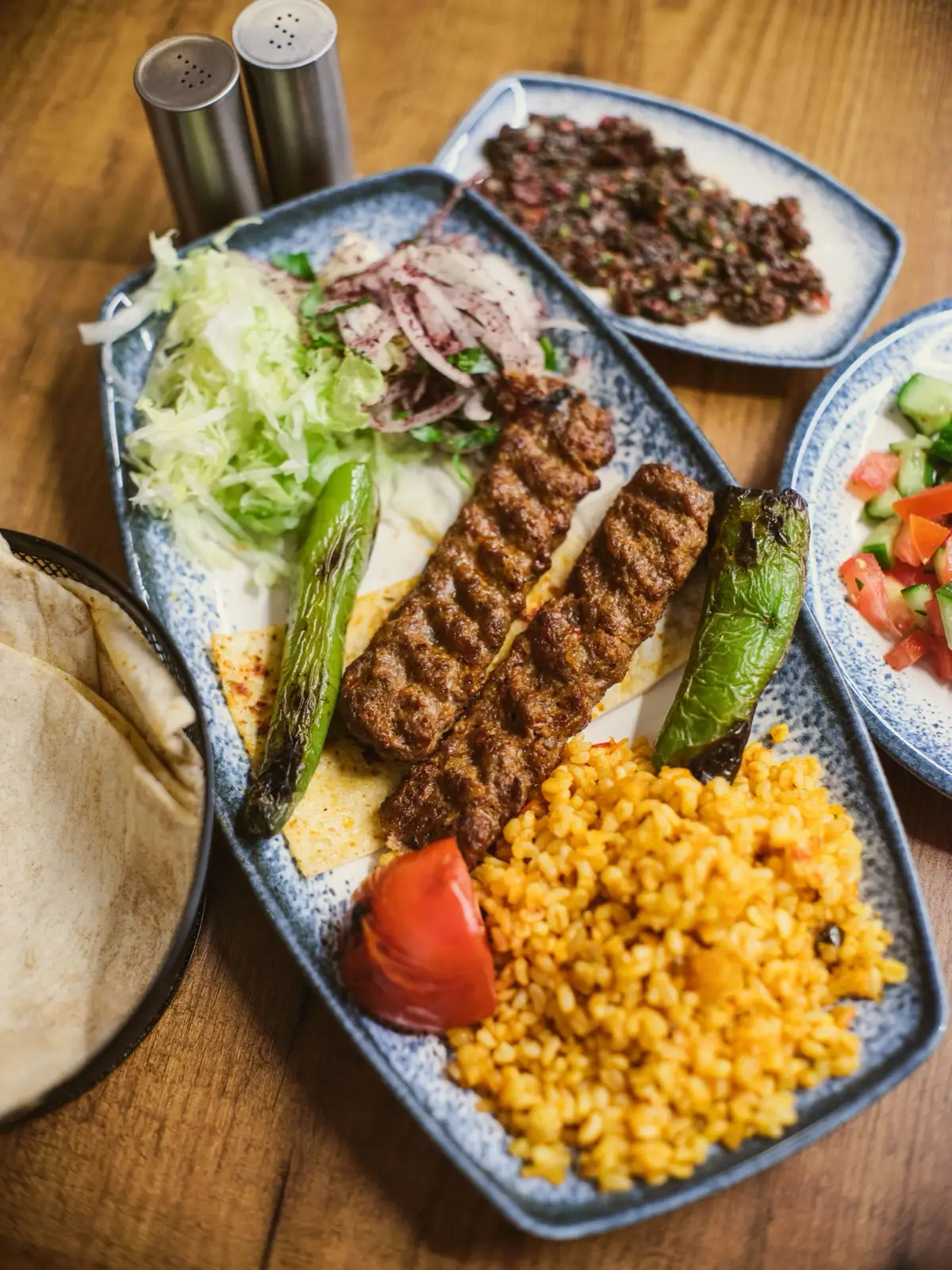
Halal-certified vs halal-friendly catering
"Halal" on a catering menu can mean an inspected kitchen, certified meat prepared in an ordinary kitchen, or simply no pork and no alcohol. None of…
Explore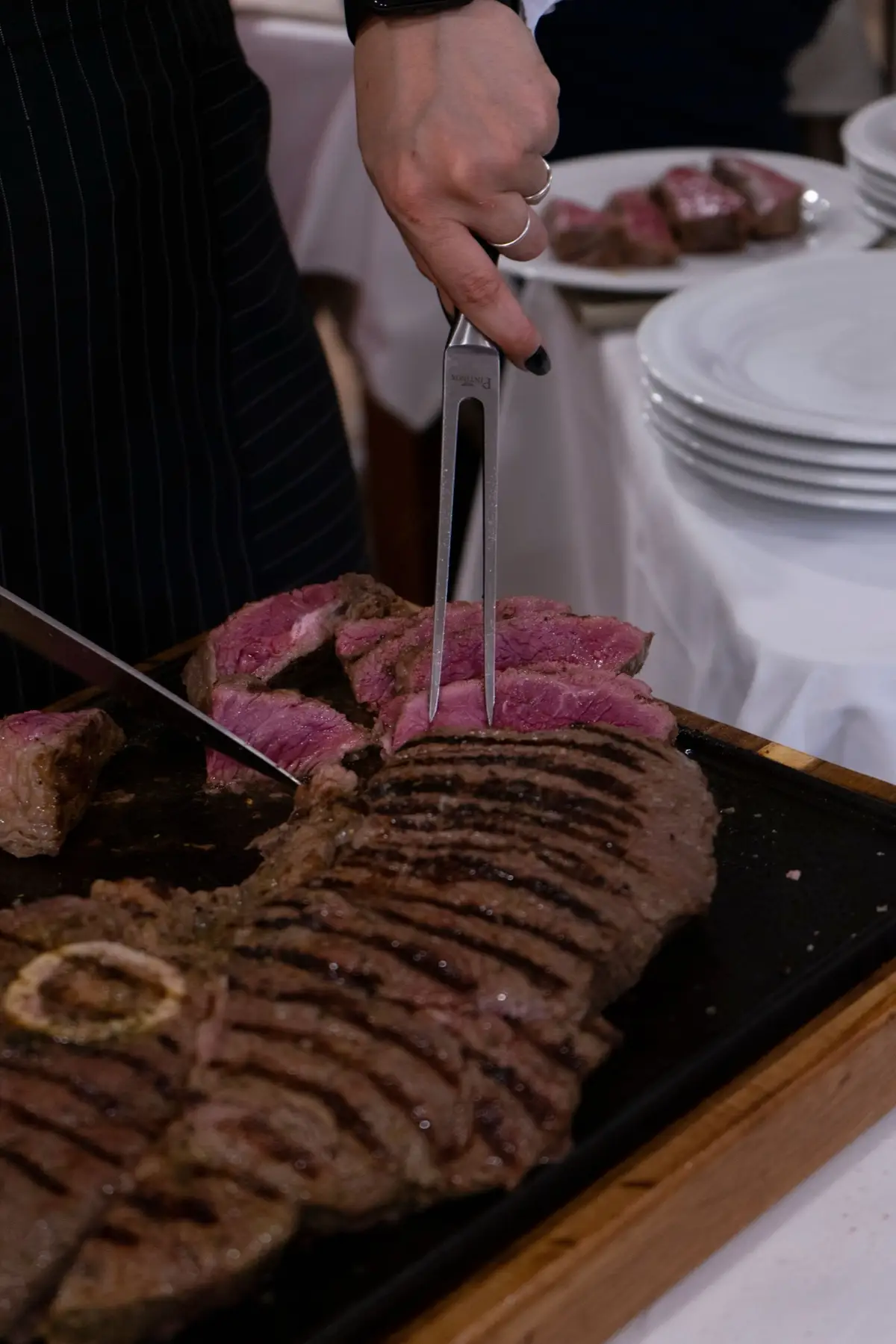
Food stations vs family-style service
Both formats make a dinner feel generous without the formality of a plated menu. Stations get guests up and moving; family-style keeps them seated…
ExploreQuestions
Frequently asked
What is the cheapest catering format?
Drop-off food on platters or a buffet with no staff is usually the lowest cost per guest. Costs rise as you add staff, rentals, individual packaging or plated service.
Which catering style is best for a wedding?
It depends on guest count, venue and budget. Plated suits formal dinners with a clear program, buffets and family-style suit generous, relaxed meals, and stations suit receptions where guests mingle.
Can I mix formats at one event?
Yes, and it is common: passed canapés during cocktails, a plated first course, and family-style or buffet mains. Each change of format adds some staff and rental needs.
Can you quote two formats for the same event?
Yes. Tell us which formats you are deciding between with your inquiry and we can price both so you can compare the all-in cost.
Is HST included in catering prices?
Our listed prices are before HST. In Ontario, 13% HST applies to catered food and beverages, and service charges and delivery fees appear as separate lines in the proposal.
Keep planning
Related pages

Catering prices
Starting prices per person for every format, plus every fee that can appear on a quote: delivery, staff hours, service charge, rentals and HST. No…
Explore
How it works
From the first inquiry to the last tray collected: what happens at each step, what we need from you, and how far ahead to book.
ExploreFull-service catering
Our team runs the food side of your event from load-in to the last tray out: chefs finishing food on site, servers, an event lead, setup, service and…
ExploreDrop-off catering
Food delivered ready to serve, set out on your table with labels and serving utensils, without the cost of staff staying on site.
Explore
Catering at Toronto and GTA venues
Most venue problems are logistics problems: no kitchen, a 30-minute load-in window, one freight elevator, a fee nobody mentioned. These guides…
Explore