
Services
Event staffing
Servers, chefs, bartenders and an event lead for your catered event, planned by service style and guest count so the room is covered without paying for people standing around.
Who is on an event team
The number of staff matters less than having the right roles. A typical catered event team in Toronto and the GTA is built from these positions:
- Event lead (captain). Your single point of contact on the day. Runs the timeline, coordinates with the venue, planner, DJ or emcee, and makes decisions when something changes.
- Chef or cook. Finishes and plates food on site, runs stations and controls holding temperatures.
- Servers. Pass canapés, serve plated courses, replenish buffets, clear plates and glassware, and keep the room tidy.
- Bartenders. Serve drinks and manage the bar. In Ontario, who may sell or serve alcohol depends on the licence or permit for the event; see bar service.
- Kitchen support. For large plated dinners, a porter or dishwasher keeps plates, cutlery and glassware moving.
How many staff you need
Staffing depends on service style more than guest count alone. Plated dinners need the most people, because every course is carried out and cleared at the same time. A buffet needs fewer, because guests carry their own plates. These are the ratios we plan from, and they are in line with common industry practice:
| Service style | Servers | Other roles |
|---|---|---|
| Plated dinner | 1 per 10–12 guests (1 per 8 for fine dining with synchronized service) | Chefs plating on site, event lead, kitchen support over about 120 guests |
| Family-style dinner | 1 per 12–15 guests | Chef, event lead |
| Food stations | 1 attendant per station, plus 1 server per 25–30 guests clearing | Chef, event lead |
| Buffet | 1 per 20–25 guests | Chef or cook replenishing, event lead |
| Cocktail reception, passed canapés | 1 per 20–25 guests | Chef finishing canapés, event lead |
| Bar | 1 bartender per 50–75 guests | A barback for busy bars over about 150 guests |
Adjust upward when the space is spread over several rooms or floors, when the kitchen area is far from the room, or when the timeline is tight, such as a plated dinner that must finish before speeches at a fixed time.
Information your event lead needs
- Final guest count and floor plan
- Run of show with speeches, first dance or presentations
- Dietary and allergy meals by name or seat number
- Venue access times, load-in location and parking
- Contact names for the venue, planner, DJ or AV team
- Number of vendor meals and when vendors eat
Why staff hours are longer than your event
A four-hour reception is not four staff hours per person. Staff arrive before guests to receive rentals, set tables, build stations and prepare the first round of food, and they stay after to clear, pack and load out. For a typical evening event, the event lead and chefs arrive three to four hours before guests; servers one and a half to two hours before. Breakdown takes one to two hours after the last guest, longer if rentals must be counted and packed.
Staff time is billed hourly ($38 per staff hour) per staff member, including setup and breakdown. Your quote lists each role, the number of people and hours, so you can see exactly where the staffing cost comes from.
An example staffing plan
A corporate reception for 120 guests, 6:00 to 9:00 p.m., in a downtown loft with no kitchen, with passed canapés, two food stations and a bar:
- 1 event lead, arriving 3:00, leaving 10:30
- 2 chefs, arriving 3:00, leaving 10:00 (finishing canapés and running the hot station)
- 5 servers, arriving 4:30, leaving 10:00 (passing, clearing, one on the cold station)
- 2 bartenders, arriving 5:00, leaving 9:30
That is 10 people and about 64 staff hours for a three-hour event. A buffet dinner for the same guests would need fewer servers; a plated dinner would need roughly twice as many.
Staff at home and in small spaces
Staffed service is not only for large venues. A dinner party at home for 20 with a family-style meal usually needs one chef and one or two servers, and it lets the host sit down with guests. In a condo, check the party room booking rules, elevator reservations and whether the building limits the number of vendors. Our private homes and condos guide covers the details.
What to expect from our team
Before the event, the event lead reviews the run of show, floor plan, dietary meals and vendor list with you. On the day, the lead does a walk-through with your contact before guests arrive, briefs the team on the timeline and any allergies, and checks in with you at key moments rather than making you look for them. Dietary meals are tracked by seat or name so the right plate reaches the right guest.
For guidance on planning the numbers yourself, read how many catering staff per guest.
Plated service needs about twice the servers
At 1 server per 10–12 guests, a plated dinner for 150 needs 13–15 servers. The same group at a buffet needs about 6–8.
Questions
Frequently asked
How many servers do I need per guest?
About 1 per 10–12 guests for a plated dinner, 1 per 12–15 for family-style, and 1 per 20–25 for a buffet or cocktail reception, plus an event lead and chefs.
How many bartenders for 100 guests?
Usually two bartenders for 100 guests, based on 1 per 50–75. Add more if the bar serves cocktails rather than beer and wine.
Are setup and clean-up included in staff hours?
Yes, staff time includes setup before guests arrive and clearing and load-out afterwards, and it is billed at the hourly staff rate.
Do your servers wear uniforms?
Tell us your dress code or colour theme when planning, and staff attire is confirmed in your proposal.
Can you staff a dinner party at home?
Yes. A family-style dinner for about 20 guests typically needs one chef and one or two servers.
Do servers stay until the end of the event?
Yes. Staff stay through the event and clear afterwards; the times are set out in your quote and run of show.
Keep planning
Related pages

Full-service catering
Our team runs the food side of your event from load-in to the last tray out: chefs finishing food on site, servers, an event lead, setup, service and…
ExploreHow many catering staff per guest: ratios, roles and cost
A plated dinner needs about one server per 10–12 guests, family-style about one per 12–15, a staffed buffet about one per 20–25, and a bar about one…
Read the guide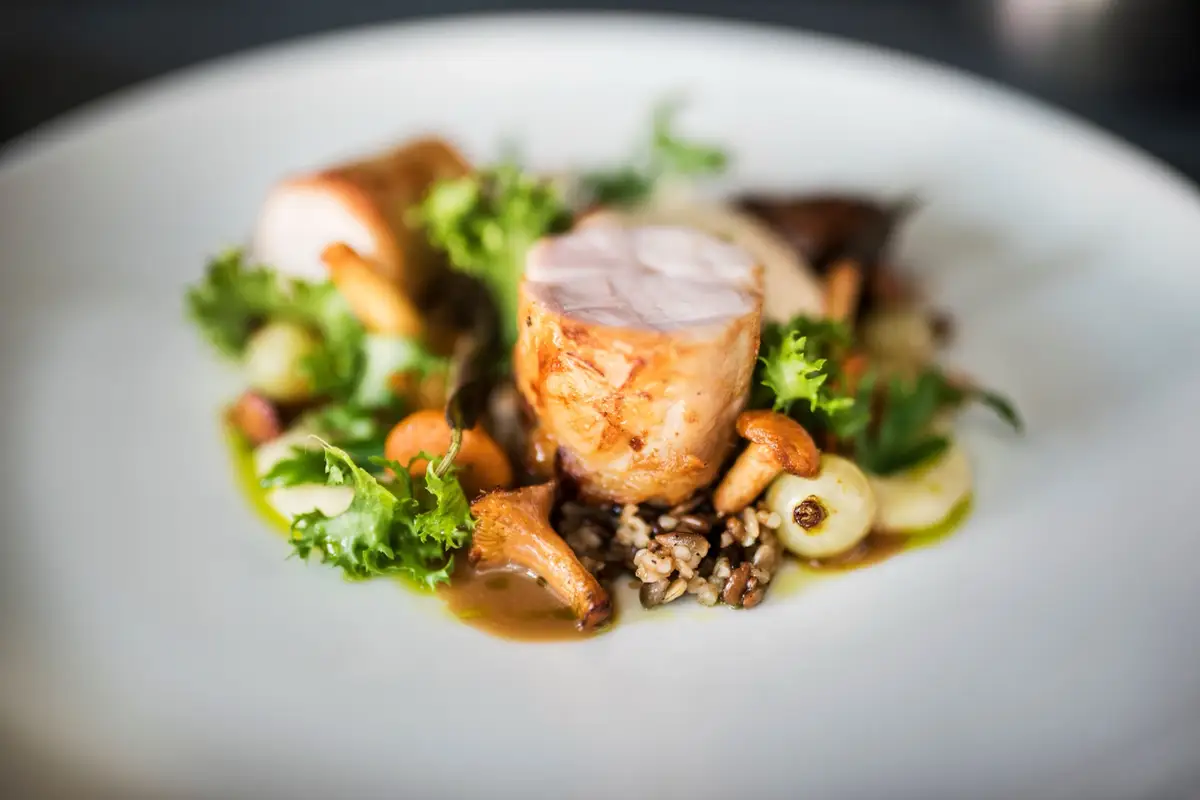
Plated dinner menu
A seated, served dinner of three or four courses. Choose one starter, one dessert and up to three mains (including a vegetarian or vegan main), and…
Explore
Canapé menu
Two-bite food passed by servers, designed to be eaten standing with a drink in the other hand. Choose six to ten canapés from the lists below and we…
Explore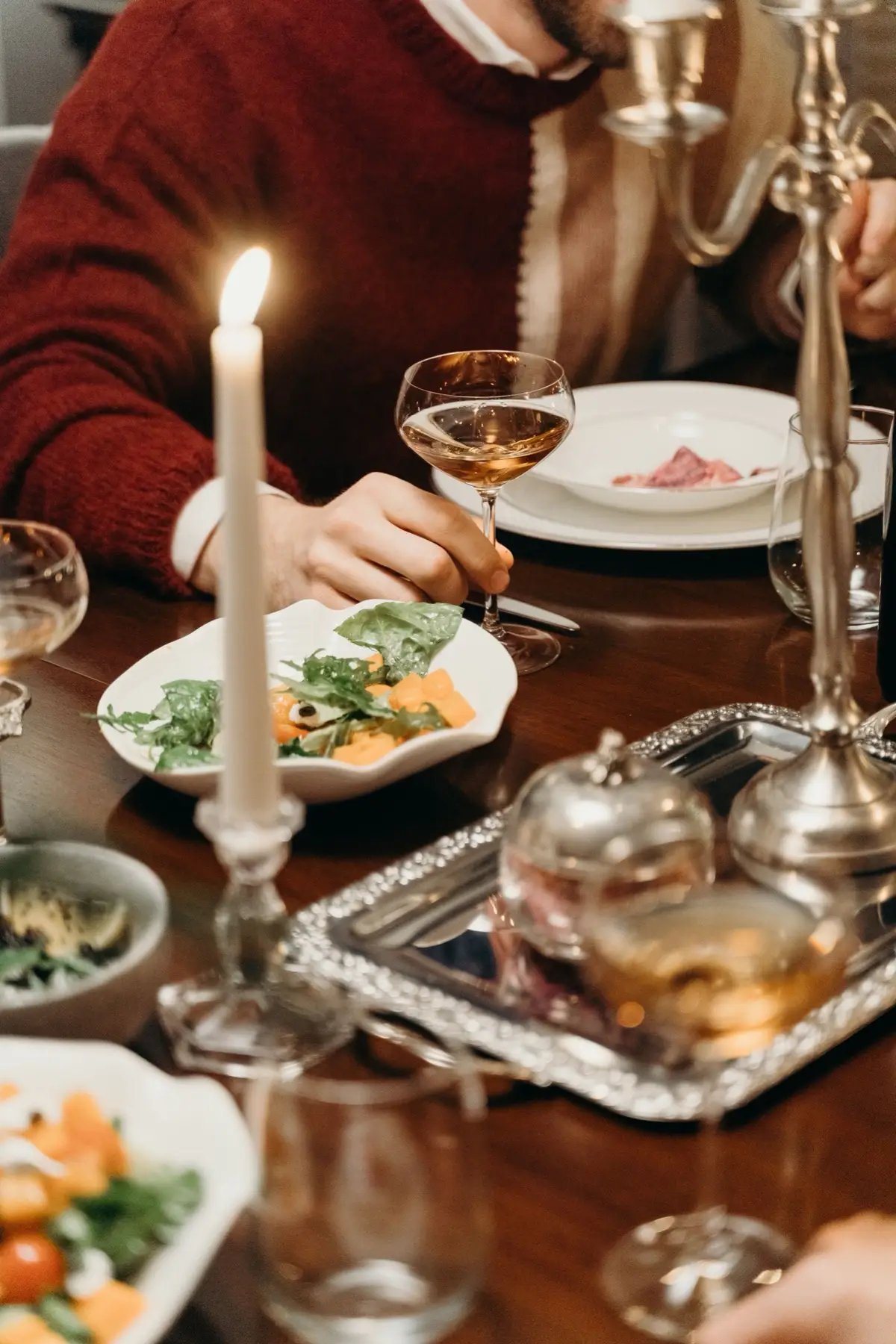
Catering at private homes and condos
A home dinner for 14 and a condo party-room birthday for 60 are different jobs. Both depend on a kitchen, an elevator or a front door that was never…
ExploreCorporate event and reception catering
Canapés, food stations and grazing tables with full service for client receptions, product launches, open houses and awards nights across Toronto and…
Explore