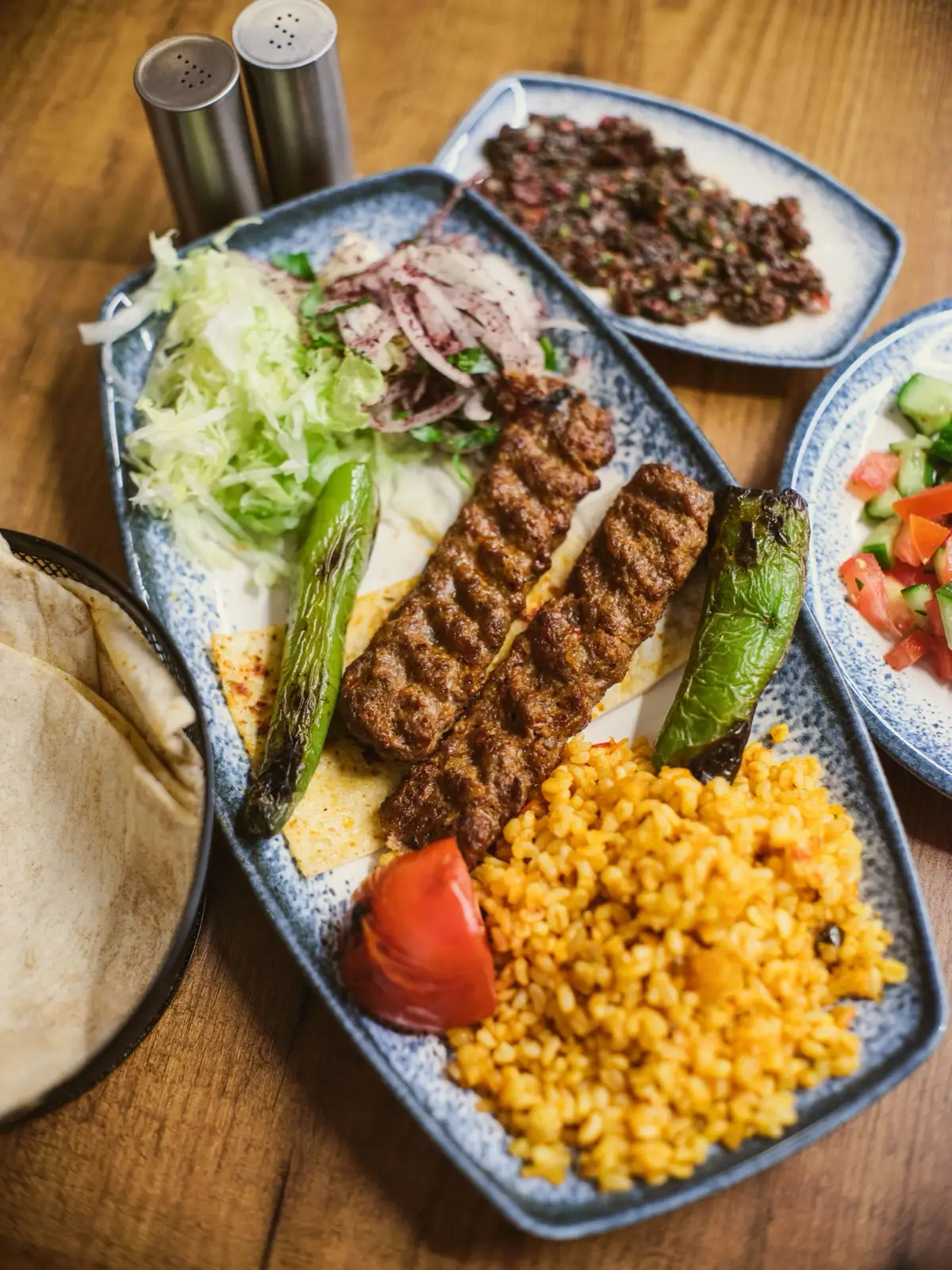
Dietary menus
Halal catering in Toronto and the GTA
Halal menus for office lunches, iftars, walimas and family celebrations, with the sourcing and handling for your order confirmed in writing before you book.
Halal-certified and halal-friendly are not the same
The word "halal" on a catering menu can mean very different things, and your guests may care about the difference. There are roughly three levels you will see in the GTA:
- Certified halal kitchen: an independent certifying body inspects the kitchen itself, including suppliers, storage, equipment and preparation, and issues a certificate you can ask to see.
- Halal meat, certified at the supplier: the meat comes from a supplier certified by a named body, and the caterer prepares it in its own kitchen. How it is kept apart from non-halal food is the caterer's own practice, not the certifier's.
- Halal-friendly: no pork or alcohol on the menu, but no certification behind the meat. This suits some guests and not others.
Several bodies certify halal food in Ontario, among them the Halal Monitoring Authority (HMA), ISNA Canada Halal and the Islamic Food and Nutrition Council of Canada. Their standards differ, for example on hand slaughter and stunning, and different communities accept different certifiers. A caterer who says only "fully halal" without naming a certifier has not answered the question.
What we confirm in writing for your order
Tell us the standard your guests follow. Before you confirm, your proposal states the answer to each of these points for your event, and if we cannot meet the standard you need, we tell you then:
- Where each meat and poultry item comes from, and which body certifies that supplier.
- Whether the meat is zabiha (hand-slaughtered), if that matters to your guests.
- How halal dishes are prepared, stored and transported apart from any non-halal food cooked that day.
- That no pork, pork derivatives or alcohol are used, including in places people forget: gelatin in desserts and marshmallows, wine or mirin in sauces, and vanilla extract, which is made with alcohol.
- How the buffet or service is set up if the same event also serves non-halal food or alcohol.
Halal catering for offices and corporate events
In many GTA offices, a halal main is simply part of the standard lunch order rather than a special request. We find it works best to make the chicken or beef dish on a buffet halal for everyone, rather than preparing a few separate halal boxes. That keeps the line simple and avoids the moment where halal meals run out because other guests took them.
For boxed lunches, halal boxes are labelled on the outside with the requirement and packed together. For client receptions with a bar, we keep halal canapés on their own trays and brief servers so a guest can ask and get a clear answer.
Iftar and Eid catering
Ramadan follows the lunar calendar, so it moves about 11 days earlier each year, and sunset in Toronto shifts through the month. An iftar menu has to be ready to serve at a precise minute, not "around 8". We plan the drop-off or setup to finish well before sunset, with dates, water and a light soup or lentil dish ready first so guests can break the fast immediately, then the main meal once prayers are done.
Workplace iftars often mix fasting and non-fasting colleagues, and community iftars can run to large numbers with short notice. Send the expected sunset time with your inquiry, and tell us whether guests will pray on site so the main service can wait. Eid gatherings are usually daytime and more festive: grazing-style sweets, live stations and family-style platters work well.
Weddings and family celebrations
Walimas, mehndis, aqiqahs and milestone birthdays often combine a large guest count with guests from several communities who may follow different halal standards. For these events we agree the certifier and the handling in writing with the family, and we recommend telling guests on the invitation or menu card which standard the meal follows. It answers the question before anyone has to ask.
For South Asian and Levantine family events, stations and buffets are usually a better fit than plated service: guests expect generous portions, second helpings and a range of dishes.
Dishes that suit halal menus
Our cooking draws on Levantine, South Asian and Mediterranean kitchens, where halal meat is at home in the cuisine instead of being substituted in. Typical choices include chicken shish tawook with toum, slow-braised lamb with rice and toasted almonds, beef kofta with tahini, chicken karahi, lamb biryani, and a mezze spread of hummus, muhammara, tabbouleh and pickles. Vegetarian dishes such as chana masala, mujaddara and fattoush sit alongside them so the whole table works for mixed groups.
Questions to ask any halal caterer
Use these with us or with anyone else you are comparing:
- Is the kitchen certified, or only the meat supplier? Which body, and can I see the certificate?
- Is the meat hand-slaughtered (zabiha)?
- Do you cook non-halal food in the same kitchen? How is it kept apart?
- Do any sauces, desserts or baked goods contain alcohol, gelatin or animal fats from non-halal sources?
- If alcohol is served at the event, who serves it and where?
Before you book
Tell us which certifier your guests accept. We will confirm in writing whether we can meet that standard for your date, and say so plainly if we cannot.
Questions
Frequently asked
Are you a certified halal caterer?
Tell us the halal standard your guests follow and we will confirm in writing, before you book, how your order is sourced, which body certifies the meat and how it is handled in our kitchen. We do not describe a meal as certified without naming the certifier.
What is the difference between halal and zabiha?
Zabiha refers to the method of slaughter: by hand, by a Muslim, with the name of God invoked. Some certifiers require hand slaughter and others accept certain machine methods, so if zabiha matters to your guests, say so when you request a quote.
Can you serve halal and non-halal food at the same event?
Yes, with planning. Halal dishes are prepared and packed separately, served from their own clearly labelled station or trays with their own utensils, and servers are briefed so guests get a straight answer.
Do you cater iftars during Ramadan?
Yes. We plan the setup to finish before sunset, serve dates, water and a light first course immediately, and hold the main meal until guests are ready. Iftar dates book up quickly, so contact us early in the month.
Is halal catering more expensive?
Certified halal meat can cost more than conventional meat, which may add a little to the per-person price. Any difference is shown in your quote, and vegetarian dishes on the same menu are priced as usual.
Do you deliver halal catering outside Toronto?
We deliver across Toronto and the GTA, including Mississauga, Brampton, Scarborough and Markham. Delivery fees and minimums for your address are listed in your quote.
Keep planning
Related pages
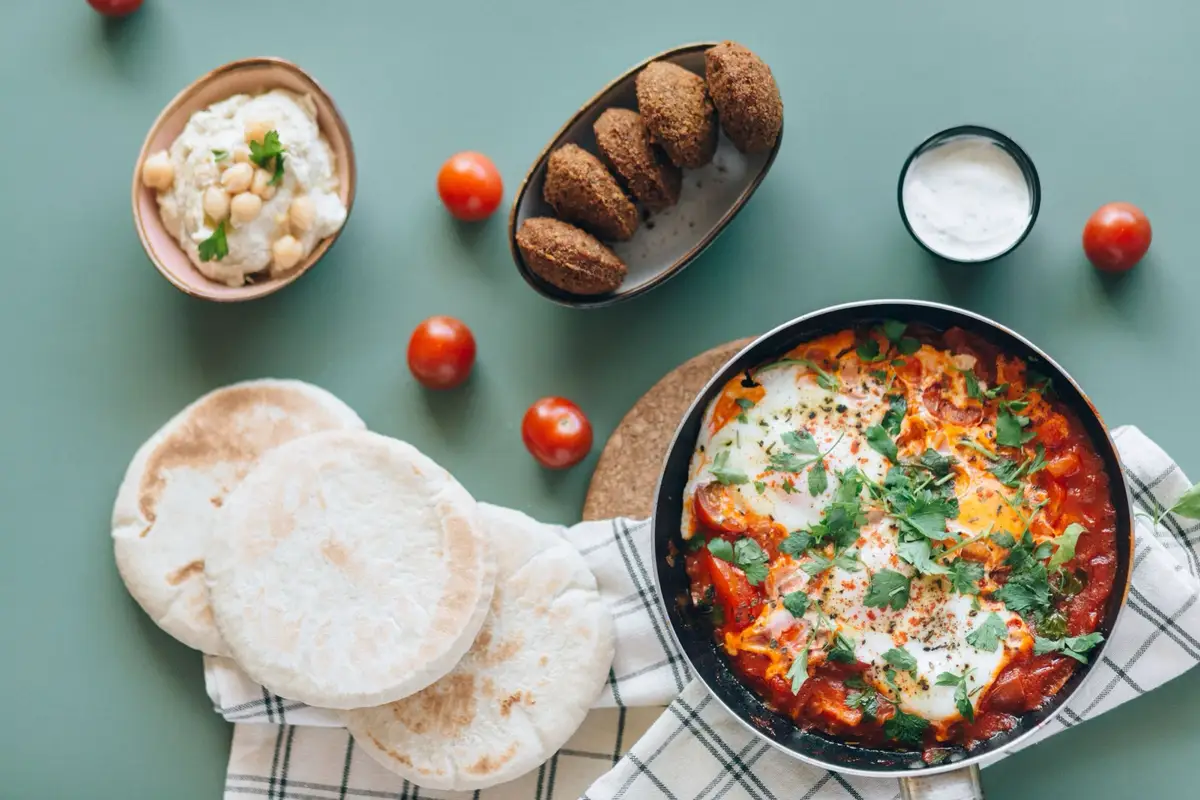
Catering for dietary restrictions
We plan halal, vegan, gluten-free and allergy-aware meals into the menu from the first quote, so the guest with a restriction gets the same food…
Explore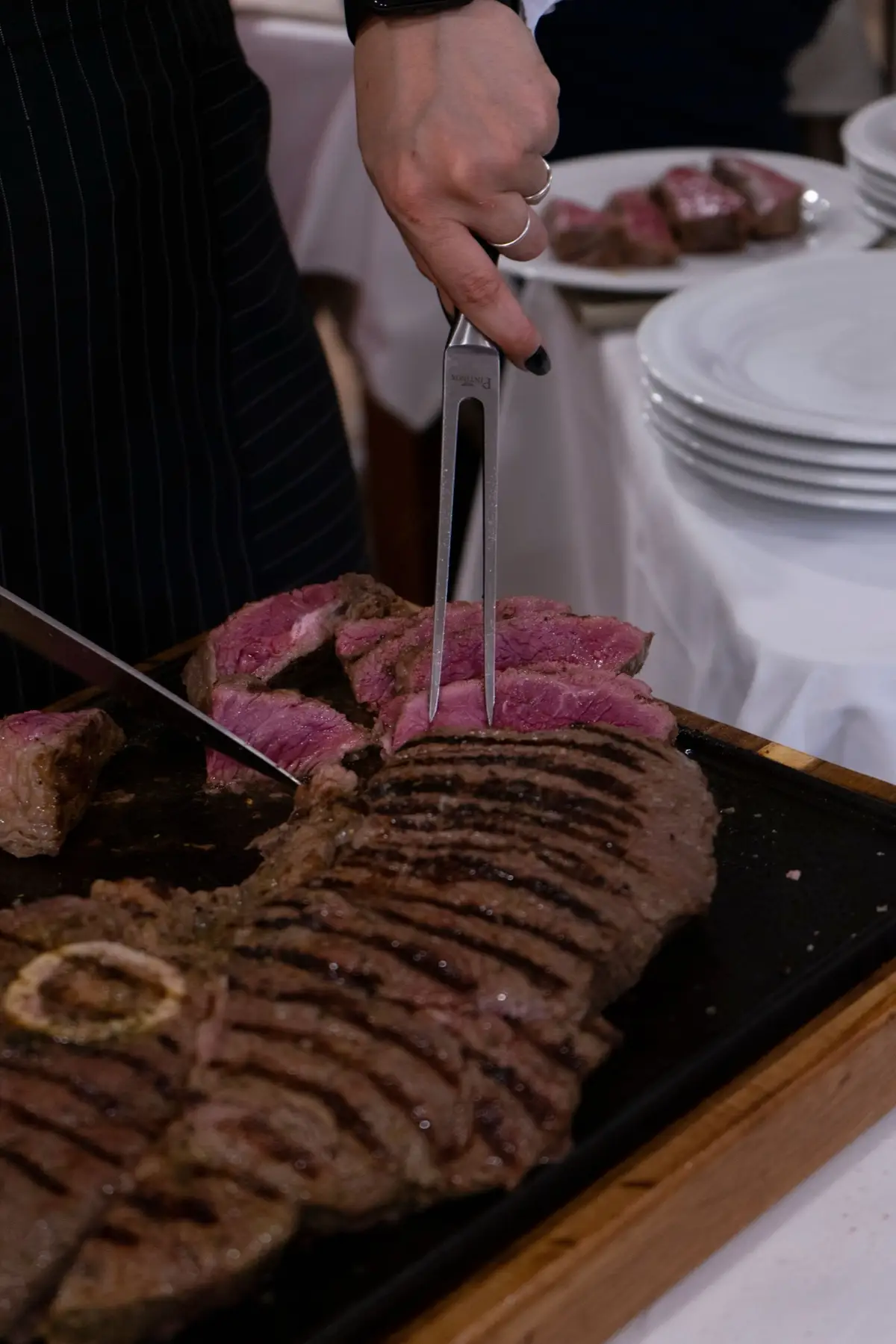
Food station menu
Attended stations where a chef carves, fries or finishes dishes in front of guests. Stations keep people moving around the room and make it easy to…
Explore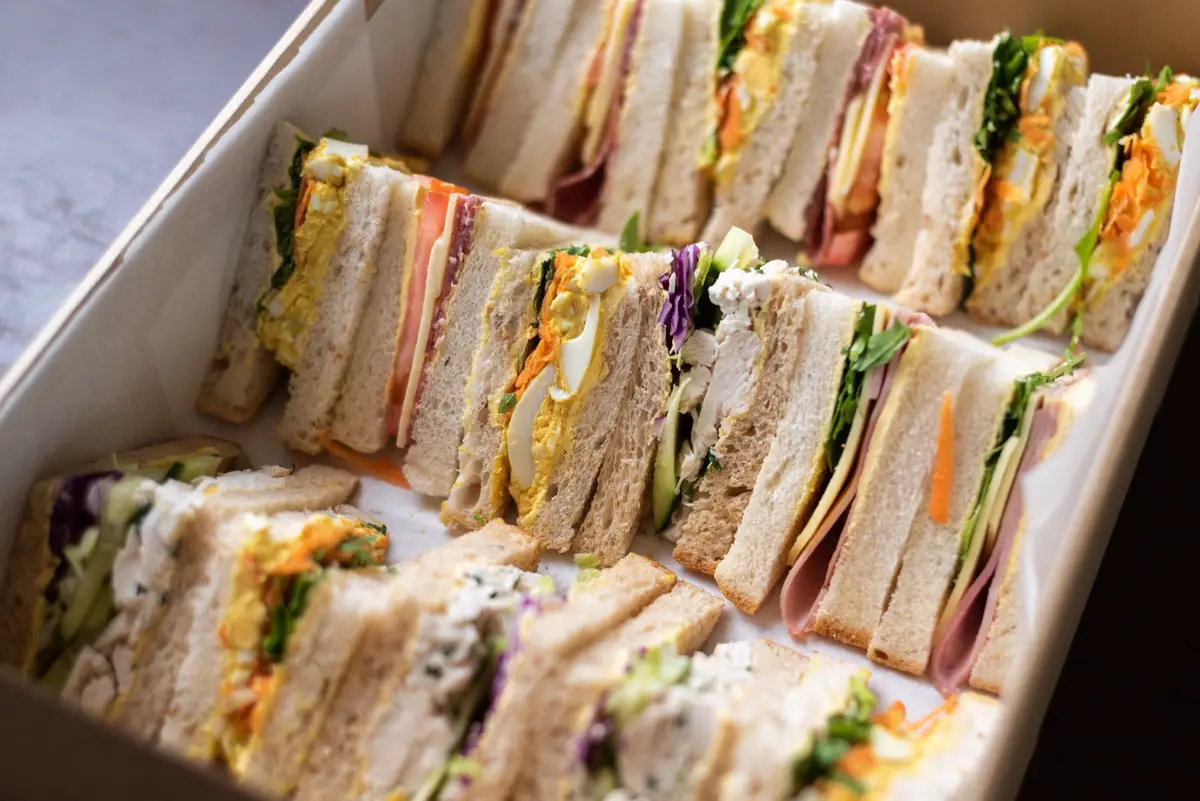
Boxed lunch catering
Individual lunches, each packed and labelled for one person, so special meals reach the right people and nobody waits in a line.
Explore
Wedding catering in Toronto and the GTA
Full-service wedding catering from our kitchen: canapé receptions, long-table dinners for small weddings, and tented backyard celebrations. You get a…
Explore
Catering in Mississauga
Mississauga has some of the largest suburban office parks in Canada, so a lot of our work here is weekday corporate catering, often on a recurring…
Explore
Catering in Brampton
In Brampton the typical catering question is not "can you feed 40 people" but "can you feed 350 people, three nights in a row, with a fully separate…
Explore