Dietary planning
Catering an office lunch around dietary restrictions
The easiest way to feed a 40-person office with halal, vegan, gluten-free and allergy needs is not a dozen special orders. It is one base menu that most people can eat, a short list of individually labelled meals for the rest, and a serving plan that gets those meals to the right people.
The approach in one paragraph
Collect dietary needs in a structured form, not a free-text reply-all. Design the shared menu so the vegetarian main is also vegan and gluten-free, the meat is halal-sourced, nuts are left out entirely, and sauces sit on the side. That base covers most of the room. Then order named, sealed meals only for the few people whose needs the base menu cannot meet safely, such as a guest with celiac disease or a severe allergy. Label everything with ingredients and Canada's priority allergens, and set the special meals aside before the line opens.
Done this way, an office of 40 typically needs two to four individual meals rather than fifteen, the food looks like one lunch rather than a main table and a "dietary" corner, and the office manager is not fielding questions at 12:05.
Step 1: collect needs in a form that caterers can use
"Any dietary restrictions?" in an email gets you answers like "no carbs this month", "mild lactose thing" and silence from the one person with an anaphylactic allergy. A short form with fixed choices gives the caterer what it needs and separates medical needs from preferences.
Keep the form to five questions: name, dietary pattern (none, vegetarian, vegan, halal, kosher, other), allergies or intolerances from a list, how severe (preference, intolerance, allergy, allergy requiring an epinephrine auto-injector) and an optional note. Store answers with the minimum people who need them; allergy information is personal health information and should be handled that way.
For a recurring team, collect once and ask people to update it each quarter. For a one-off event with external guests, add the dietary question to the RSVP and set the deadline a day before the caterer's final count.
Dietary form for an office lunch
- Name (for labelled meals only)
- Dietary pattern: none, vegetarian, vegan, halal, kosher, other
- Allergies or intolerances, chosen from Health Canada's priority allergens plus gluten
- Severity: preference, intolerance, allergy, allergy with an auto-injector
- Optional note, for anything the list does not cover
- Deadline one business day before the caterer's final count
Step 2: design one base menu that covers most of the room
Here is how the needs of a typical 40-person Toronto office might look, and how a well-built base menu handles them. The counts are an illustration, not a survey.
| Need | People | Covered by base menu? | How |
|---|---|---|---|
| No restriction | 24 | Yes | Eats anything on the table |
| Halal | 5 | Yes, with the right sourcing | All meat on the menu halal-sourced; no pork, no alcohol in sauces |
| Vegetarian | 4 | Yes | Substantial vegetarian main, not just salad |
| Vegan | 2 | Yes | Vegetarian main is also vegan; dressings dairy-free |
| Gluten-free by preference | 2 | Yes | Rice or potato side, GF main, bread served separately |
| Celiac disease | 1 | No | Sealed individual meal with separate handling |
| Tree nut allergy, severe | 1 | Mostly | Whole order nut-free, plus a sealed named meal to be certain |
| Kosher | 1 | No | Sealed meal from a certified kosher supplier |
That is three individual meals out of 40. The design choices doing the work:
- Make the vegetarian main vegan and gluten-free. A chickpea and spinach curry with rice, or roasted cauliflower with tahini and lentils, covers four needs at once and is popular with meat-eaters too.
- Use halal-sourced meat for the whole order. Most people will not notice, and Muslim colleagues eat from the same trays. Ask the caterer how the meat is sourced and whether the kitchen is certified; the difference matters to many people and is explained in our halal catering guide.
- Leave nuts and sesame out of the whole order when anyone has a severe allergy. Pesto, dukkah, satay and some desserts are the usual culprits.
- Keep sauces, cheese and croutons on the side. It turns one salad into a vegan, dairy-free and gluten-free salad.
- Serve bread separately rather than in sandwiches, or offer a rice bowl alongside wraps.
Step 3: label every item properly
Good labels answer the question before it is asked. Each dish on a buffet needs a card, and each individual box needs a sticker, showing the dish name, short dietary codes, and the priority allergens it contains.
Health Canada lists these priority food allergens: eggs, milk, mustard, peanuts, crustaceans and molluscs, fish, sesame seeds, soy, sulphites, tree nuts, and wheat and triticale. Gluten sources such as barley, rye and oats that are not certified gluten-free matter for people with celiac disease too. A label should name any of these that are in the dish, not rely on "may contain allergens".
| Label element | Example |
|---|---|
| Dish name | Chickpea, spinach and tomato curry |
| Dietary codes | VG (vegan), GF (gluten-free ingredients), H (halal-friendly) |
| Contains | Mustard seeds |
| Kitchen note | Prepared in a kitchen that handles wheat, milk and sesame |
| Individual meals | Guest name, need, "sealed, open at your seat" |
The kitchen note is honest and important. Unless a caterer has a dedicated gluten-free area, "gluten-free" on a label means gluten-free ingredients prepared in a shared kitchen, which is fine for most people avoiding gluten and not enough for some people with celiac disease. Canada's Food and Drug Regulations restrict gluten-free claims to foods that meet Health Canada's gluten-free requirements, which is why a careful caterer describes both the ingredients and the kitchen rather than printing "GF" and stopping there. See our dietary catering overview for how we word ours.
Step 4: serve it so the right meal reaches the right person
Most dietary mix-ups happen in the ten minutes after the food lands, not in the kitchen. A few habits prevent them:
- Set individual meals aside before the buffet opens, on a separate table or in the meeting room fridge with names facing out. Tell those guests where they are.
- Put the base-menu dietary dishes first in the line. Vegan and gluten-free guests get their share before the vegetarian main is half gone.
- One utensil per dish, and no sharing. A spoon that moves from the butter chicken to the dal is how a vegan dish stops being vegan.
- Keep labels with the dishes when trays are refilled or moved.
- Do not decant sealed meals onto platters to make the table look fuller.
- Clear within two hours. Food safety guidance limits food out of temperature control to two hours; after that, leftovers should go, not into the kitchen fridge for tomorrow.
For internal lunches, boxed lunches make this simplest, since every box carries a name and a label. Platters and hot buffets work well too once the individual meals are separated. Our boxed lunches vs platters comparison helps you choose.
Hidden ingredients that catch people out
- Vegan: honey in dressings, ghee in South Asian dishes, fish sauce in Southeast Asian dishes, gelatin in desserts, butter brushed on flatbread, egg wash on pastry.
- Halal: wine or beer in sauces and braises, vanilla extract in some desserts, gelatin from non-halal sources, bacon bits on salads.
- Gluten-free: soy sauce (use tamari), malt vinegar, stock bases, spice blends with fillers, oats that are not certified gluten-free, fryer oil shared with breaded items.
- Nut allergy: pesto, romesco, muhammara, dukkah, praline, almond flour in "gluten-free" baking, nut oils in dressings.
- Dairy-free: butter finishing on vegetables, yogurt in marinades, cream in soups that look clear.
A caterer used to mixed offices will know these; ask to see the ingredient list for any dish you are unsure of.
Questions to ask your caterer before the first order
Ask these before you commit, and ask for the answers in writing:
- How is the halal meat sourced, and is the kitchen itself certified by any body?
- Do you have a dedicated gluten-free area or equipment, or is it a shared kitchen?
- Can you make the whole order nut-free and sesame-free?
- Are individual dietary meals sealed and labelled with the guest's name?
- Do labels list priority allergens by name?
- Can you supply a kosher meal from a certified supplier when needed?
- What is the cut-off for adding a dietary meal after the order is placed?
We answer all of these on request, and our halal, plant-based and gluten-free pages set out what we can and cannot promise. To plan a lunch around your team's actual list, use the enquiry form.
Questions
Quick answers
How do I cater for multiple dietary restrictions at work?
Build one base menu that covers most needs (vegan and gluten-free vegetarian main, halal-sourced meat, no nuts, sauces on the side) and order sealed, named meals only for needs the base menu cannot meet safely.
What are the priority allergens in Canada?
Health Canada lists eggs, milk, mustard, peanuts, crustaceans and molluscs, fish, sesame seeds, soy, sulphites, tree nuts, and wheat and triticale. Gluten sources also matter for people with celiac disease.
Is gluten-free catering safe for celiac disease?
Not automatically. Gluten-free ingredients prepared in a shared kitchen suit most people avoiding gluten. For celiac guests, ask for a sealed meal and ask how cross-contact is controlled.
Can the whole office lunch be halal?
Often, yes. Using halal-sourced meat for the entire order means nobody is served separately. Ask the caterer how the meat is sourced and whether the kitchen is certified.
How many vegetarian meals should I order for an office lunch?
Order the vegetarian main for about a third of the group on a buffet, even if fewer people ticked vegetarian, because meat-eaters take it too.
How late can I add a dietary meal?
It depends on the caterer. With us, individual meals are best confirmed with the final count, 48 hours before delivery.
Keep planning
Related pages
Catering for dietary restrictions
We plan halal, vegan, gluten-free and allergy-aware meals into the menu from the first quote, so the guest with a restriction gets the same food…
ExploreBoxed lunch catering
Individual lunches, each packed and labelled for one person, so special meals reach the right people and nobody waits in a line.
Explore
Halal catering in Toronto and the GTA
Halal menus for office lunches, iftars, walimas and family celebrations, with the sourcing and handling for your order confirmed in writing before…
Explore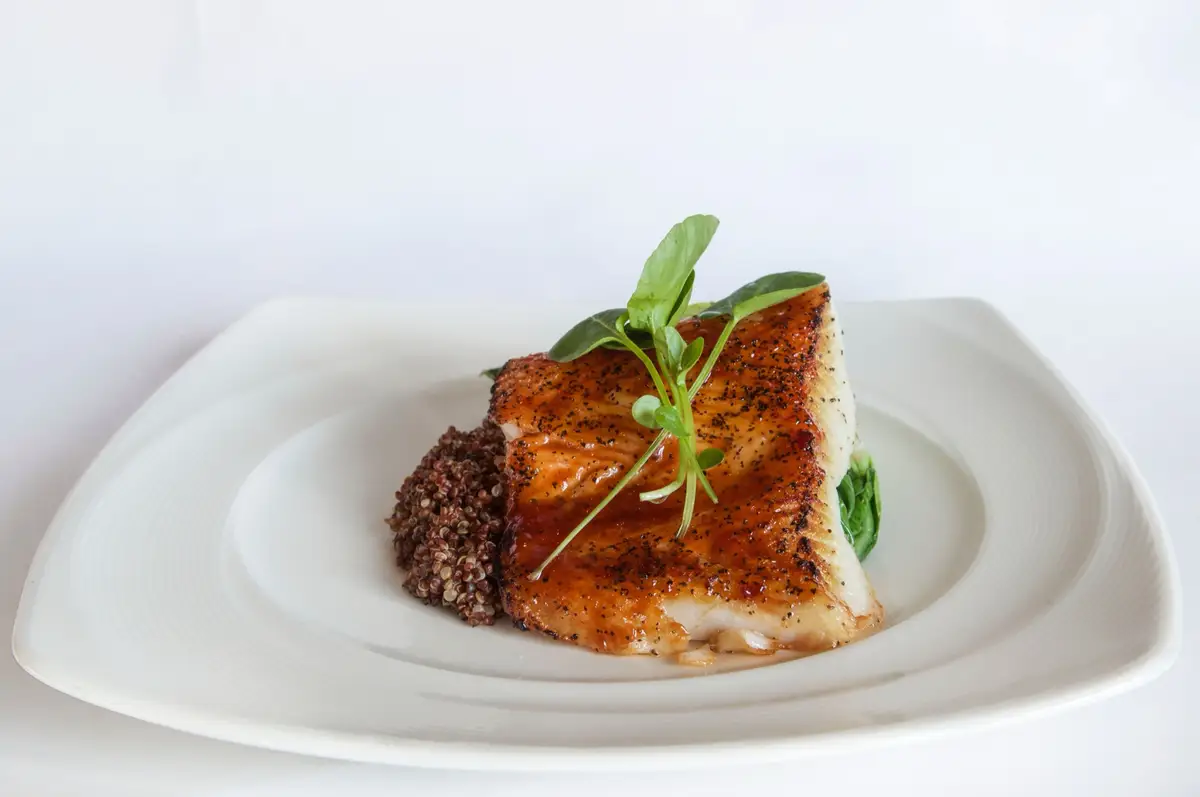
Gluten-free catering
Gluten-free dishes for guests who avoid gluten, and separately packed, labelled meals for guests with celiac disease, with a clear explanation of the…
Explore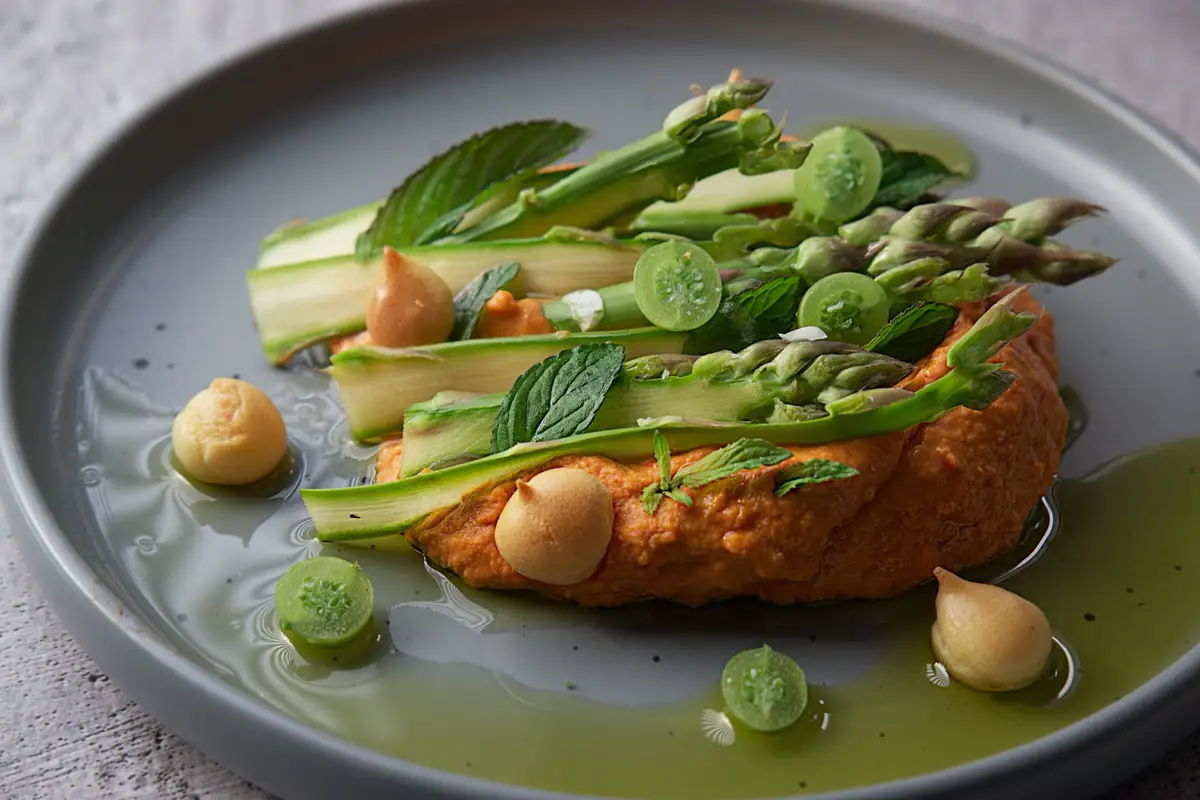
Vegan and plant-based catering
Plant-based food that fills people up at a working lunch and holds its own at a wedding dinner, with no hidden butter, stock or honey.
Explore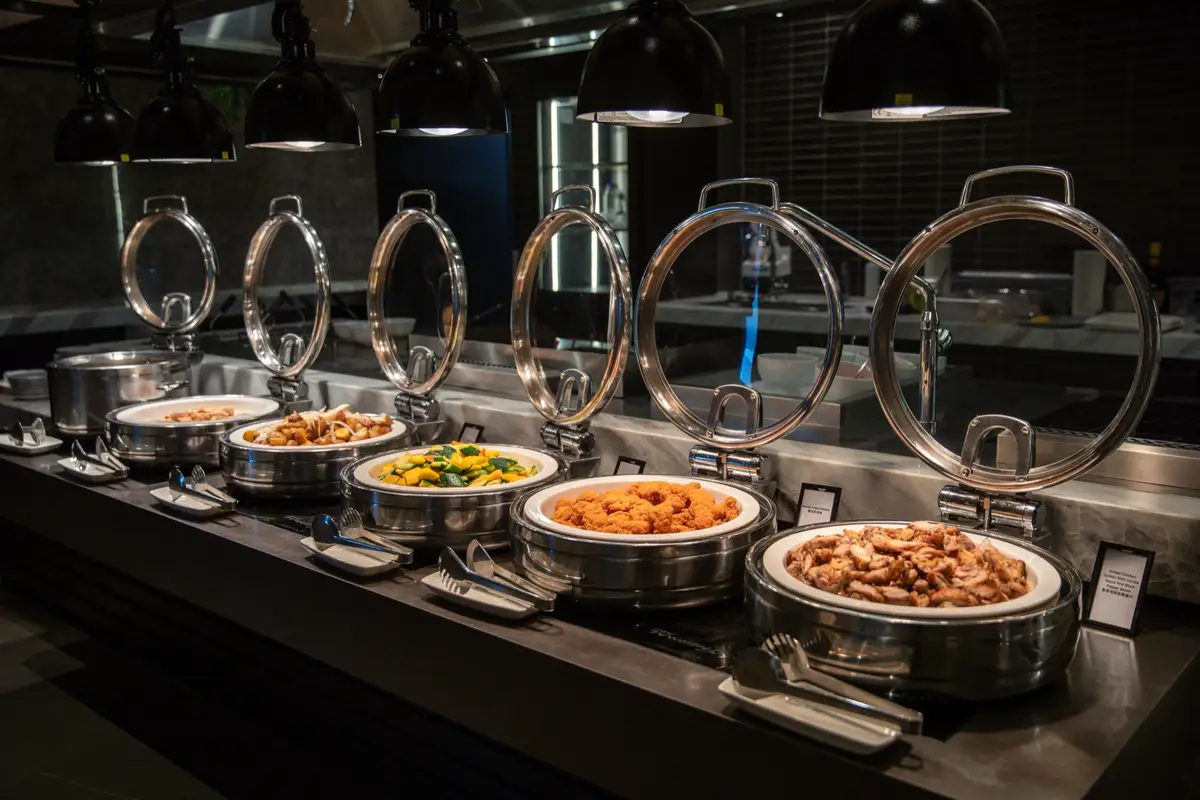
Office lunch catering
Hot buffets and shared platters for team lunches, lunch-and-learns and working sessions, delivered to your floor, set out with labels and ready when…
Explore