Menus
Food station menu
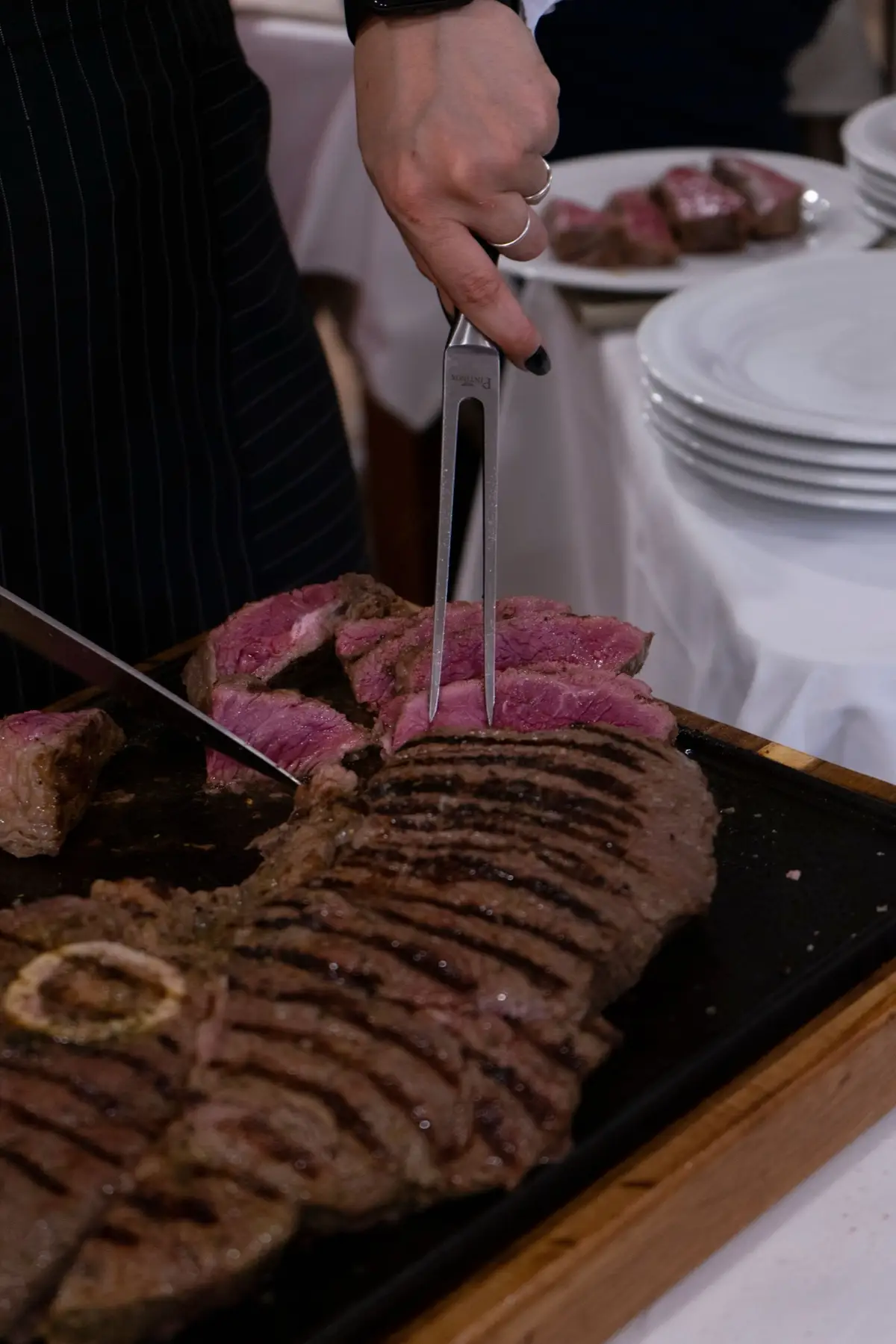
Attended stations where a chef carves, fries or finishes dishes in front of guests. Stations keep people moving around the room and make it easy to serve very different dietary needs side by side.
How many stations you need
If stations replace dinner, plan three or four savoury stations plus one sweet or late-night station. Each station serves a portion of a meal, not a full plate, so guests visit two or three of them.
- Up to 80 guests: three savoury stations.
- 80–150 guests: four savoury stations, or three with the most popular one doubled.
- 150+ guests: add a second of each popular station rather than more variety. A queue of ten people at a single carving station is the most common problem at station dinners.
Portions per guest are smaller at each station (about 60–90 g of protein) but add up to a full meal across three stations.
Space, power and venue needs
Each station needs about 3 m by 2 m, including room for a short queue that does not block a doorway or the bar. Stations that cook to order need power: an induction burner or fryer typically needs its own 15-amp circuit, and two on the same circuit will trip a breaker in many older Toronto halls and lofts. Tell us the venue early and we will check its electrical layout with the venue manager.
Frying stations may be restricted indoors by some venues because of smoke detectors. We switch those to dishes finished in portable ovens where needed.
Staffing and service style
Every station has at least one chef or attendant who serves and explains the food, and carving or cook-to-order stations need two at peak times. On top of that, plan servers to clear plates and glasses (roughly one for every 30–40 guests) and a captain. Staff are billed per hour; see event staffing.
Because each station has its own attendant, dietary questions are answered at the point of service. A guest who keeps halal, a vegan guest and a guest avoiding shellfish can each find a full meal without special plates. For a comparison with shared platters at the table, read stations vs family-style.
What's included
The per-person price covers the food, station equipment (chafing, carving boards, burners), serving ware and signage with dietary codes. Staffing, rentals such as plates, linens and décor for the station tables, and the service charge are listed separately on the pricing page. Stations start at 40 guests.
Questions
About this menu
Are food stations more expensive than a buffet?
Usually, because each station needs its own chef or attendant and equipment. Industry guides such as EventSource put Toronto wedding stations at about $60–$120 per guest, compared with $50–$100 for a buffet.
How many food stations for 150 guests?
Four savoury stations, or three with the most popular one doubled, plus a sweet or late-night station.
Do food stations need a kitchen at the venue?
Not a full kitchen. Stations need floor space, power (often a separate circuit for each cooking station) and a back-of-house area for prep and handwashing.
Can stations work for a mixed halal and vegan crowd?
Very well. Each station has its own utensils and an attendant who can answer questions, so guests with different needs can each build a full meal.
Can the raw bar run all year?
Oysters are available year-round from the East Coast, though many chefs prefer them from fall through spring. We confirm supply for your date.
Keep planning
Related pages
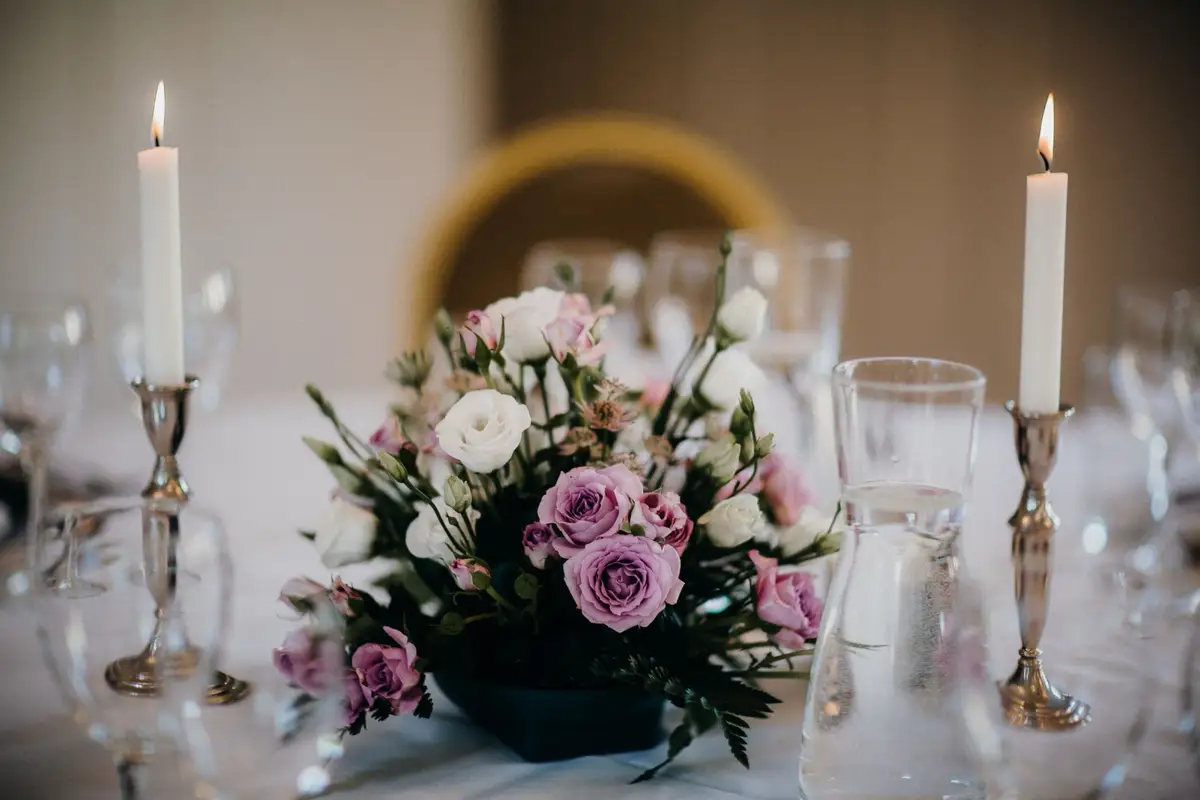
Wedding catering in Toronto and the GTA
Full-service wedding catering from our kitchen: canapé receptions, long-table dinners for small weddings, and tented backyard celebrations. You get a…
Explore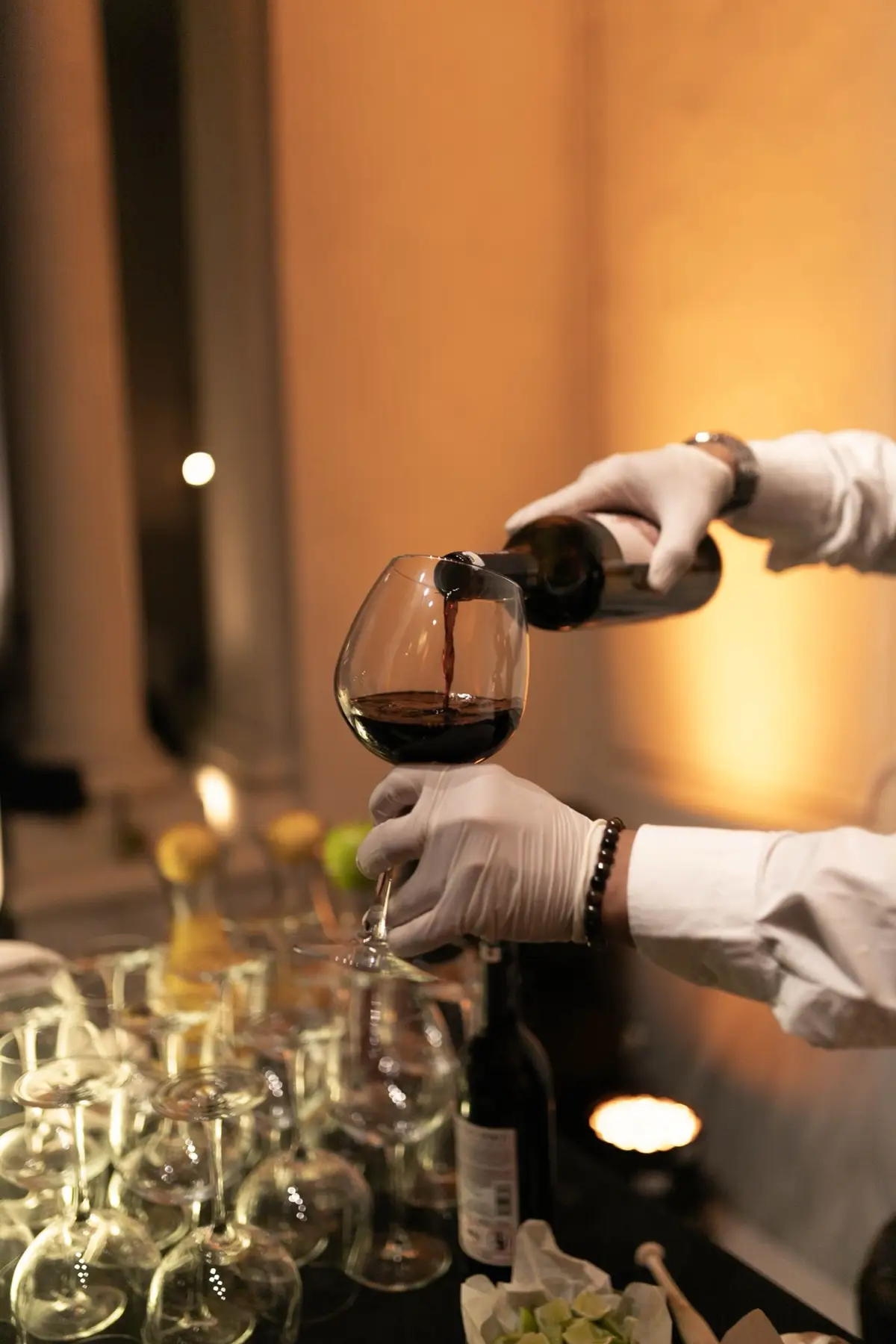
Corporate holiday party catering
December lunches in the office and evening parties at a venue, with menus that suit the whole team, staff to run the night and a booking timeline…
ExploreFood stations vs family-style service
Both formats make a dinner feel generous without the formality of a plated menu. Stations get guests up and moving; family-style keeps them seated…
Explore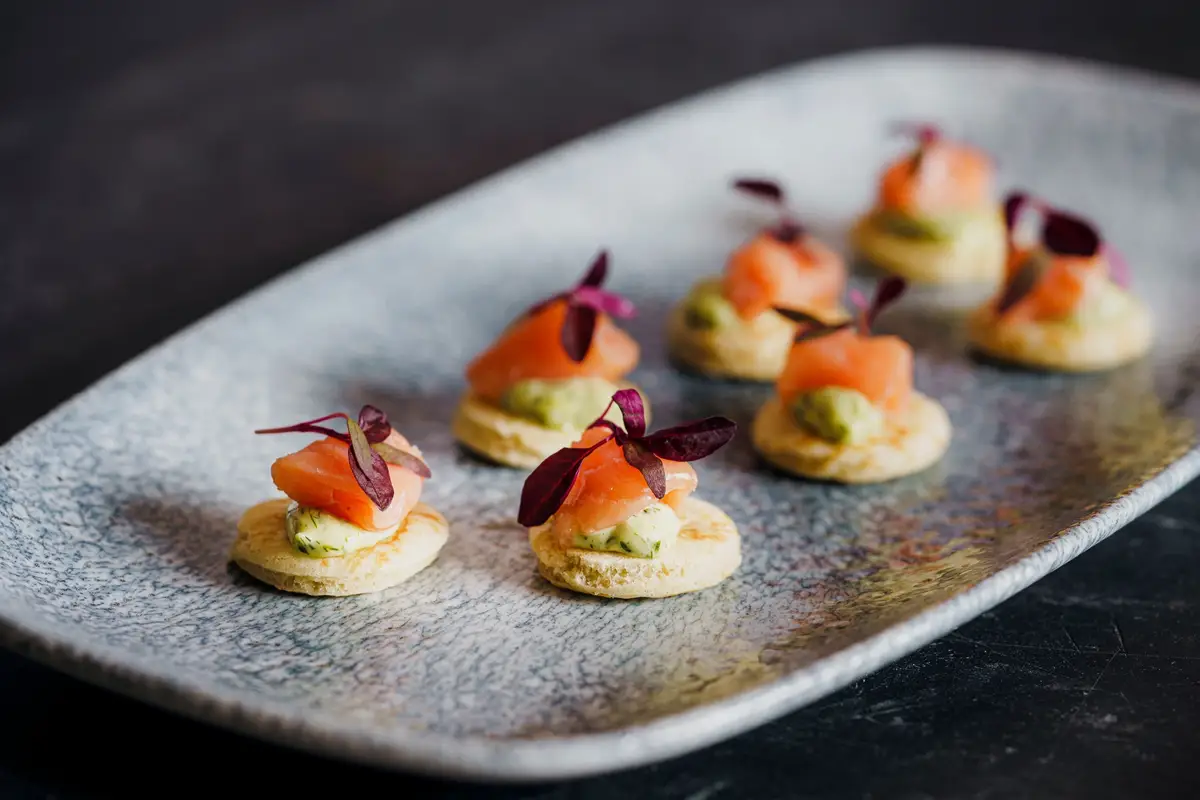
Canapé menu
Two-bite food passed by servers, designed to be eaten standing with a drink in the other hand. Choose six to ten canapés from the lists below and we…
Explore
Event staffing
Servers, chefs, bartenders and an event lead for your catered event, planned by service style and guest count so the room is covered without paying…
Explore
Catering lofts and industrial spaces
Brick, timber and big windows, and almost never a commercial kitchen. Here is how a loft event actually gets fed, from the freight elevator to the…
Explore