Venue guide
Catering cultural and community halls
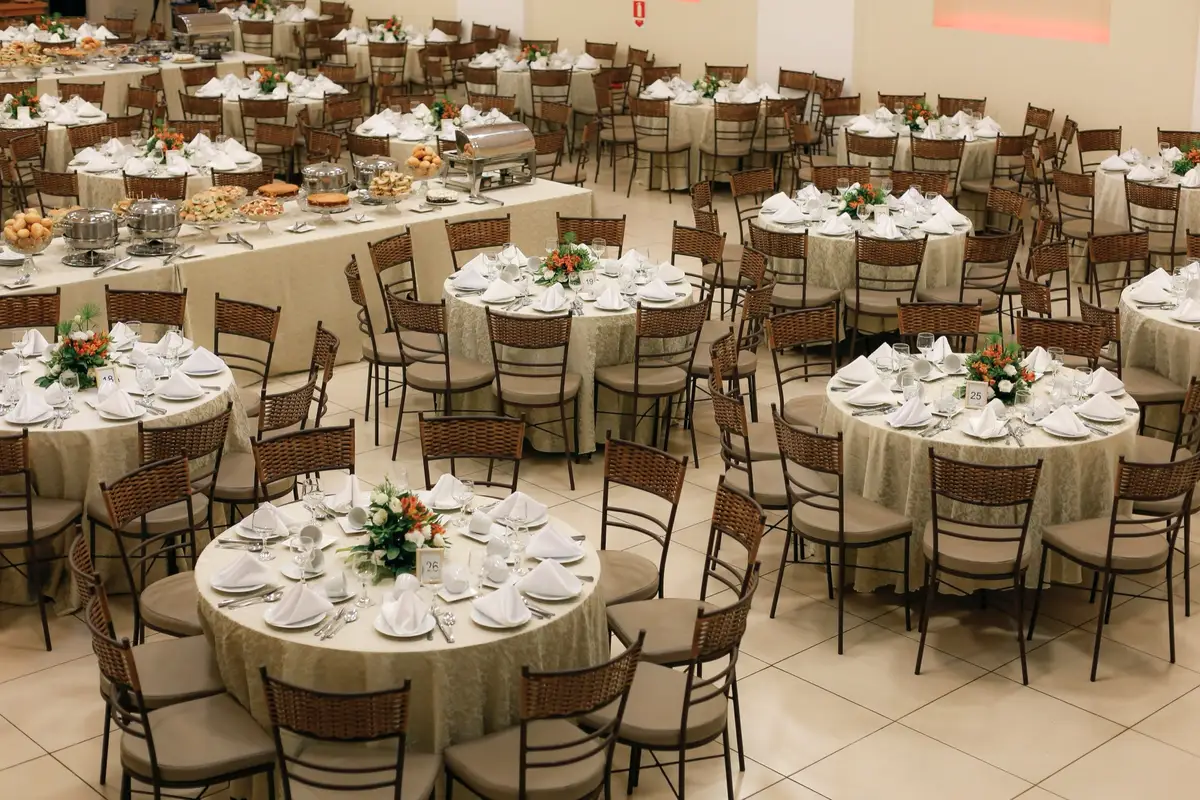
Community halls host the GTA's biggest family events: 200-guest anniversaries, Eid dinners, Diwali parties, memorials and fundraisers. They usually have a kitchen, and that kitchen usually has rules.
The kitchen is there, but read the agreement
Unlike lofts or backyards, many community centres, cultural association halls and places of worship have a real kitchen. Using it is rarely automatic. The rental agreement may say:
- The kitchen costs extra, or is included only with certain room bookings.
- Outside caterers may warm and serve but not cook from raw.
- A certified food handler must be present, which Ontario's Food Premises regulation already requires of any food premises operator.
- Only the hall's own kitchen staff or approved caterers may use the equipment.
- Certain foods are not allowed in the building, for example in some religious halls.
- The kitchen must be left cleaned to a checklist, with a deposit held against it.
Municipal community centres book through the city's permit office and have their own rules on food and alcohol. Send us the rental agreement or kitchen rules, and we will plan around them.
Feeding 200 to 500 guests on time
Large family and community events rarely run to the minute. Guests arrive over an hour, speeches run long, and elders are often served before the main line opens. The catering plan needs to hold food safely through that delay and still serve everyone quickly once dinner is called.
- Service lines. A double-sided buffet serves both sides at once. As a working figure, plan one double-sided line for about every 100 to 125 guests, so a 300-guest dinner needs two to three lines to keep the wait reasonable.
- Table-by-table release. Calling tables in order prevents a single long queue and makes it easier to seat families together.
- Head table and elders. Plated or family-style service for the head table and older guests can run alongside the buffet.
- Holding. Hot food stays at 60°C or hotter in hot boxes until each pan goes out. Smaller pans refreshed often look better and stay safer than one large pan sitting for an hour.
Separate lines for halal, vegetarian and other requirements
At many cultural events, the question is not only what is on the menu but how it is served. Guests may need to be confident that vegetarian dishes never shared a spoon with meat, or that halal dishes are clearly separated. Practical steps we use:
- A separate, clearly signed line or table section for vegetarian or specific dietary dishes, served first from fresh pans.
- Dedicated, colour-marked serving utensils that never move between lines.
- Labels on every dish with main ingredients and allergens.
- Staff briefed on which dishes are which, so they can answer questions accurately.
How food is sourced and prepared is a separate question from how it is served. For halal or other certified requirements, tell us exactly what your community expects, and we will confirm in writing what applies to your menu. Our halal catering and plant-based catering pages explain the details.
Menus that hold for a long evening
Dishes that improve or hold steady in a hot box are the backbone of a hall menu: rice dishes and biryanis, braised and stewed meats, curries and dals, roasted vegetables, grilled kebabs held in their juices. Crisp fried items and delicate greens are served in small batches or saved for a passed appetizer hour. See our hot buffet menu for the style of dishes that suit this format, and tell us the cuisine and dishes your family expects.
Leftovers, cleanup and alcohol
Families often want leftovers packed for guests or a local organization. Food that has been out on a buffet line has already spent time out of temperature control, so we discuss the plan in advance: packing directly from hot boxes into containers is safer than repacking from the line late at night.
Cleanup at halls includes the kitchen checklist, garbage removal to the hall's bins or off site, and returning tables to the agreed layout. Alcohol is often not permitted at religious halls, and where it is allowed, a Special Occasion Permit from the AGCO or the hall's own licence usually applies.
Questions
Frequently asked
Can an outside caterer use a community hall kitchen?
Often, but it depends on the rental agreement. Some halls allow warming and serving only, some charge a kitchen fee, and some require approved caterers. Check the agreement before booking the caterer.
How many buffet lines do I need for 300 guests?
Plan two to three double-sided lines, plus a separate section for vegetarian or specific dietary dishes, and release tables in order so no one waits too long.
Can halal and non-halal food be served at the same event?
Yes, with separation in both preparation and service. Tell us your exact requirements so we can confirm in writing how halal dishes are sourced, prepared and served for your event.
Can guests take leftovers home?
We plan this in advance. Food packed straight from hot holding into containers is the safest option; food that has sat on a buffet line for a long time should not be sent home.
What food holds best for a large hall event?
Rice dishes, braises, curries, dals, roasted vegetables and grilled meats held in their juices hold well. Fried and delicate items are better served early or in small batches.
Keep planning
Related pages
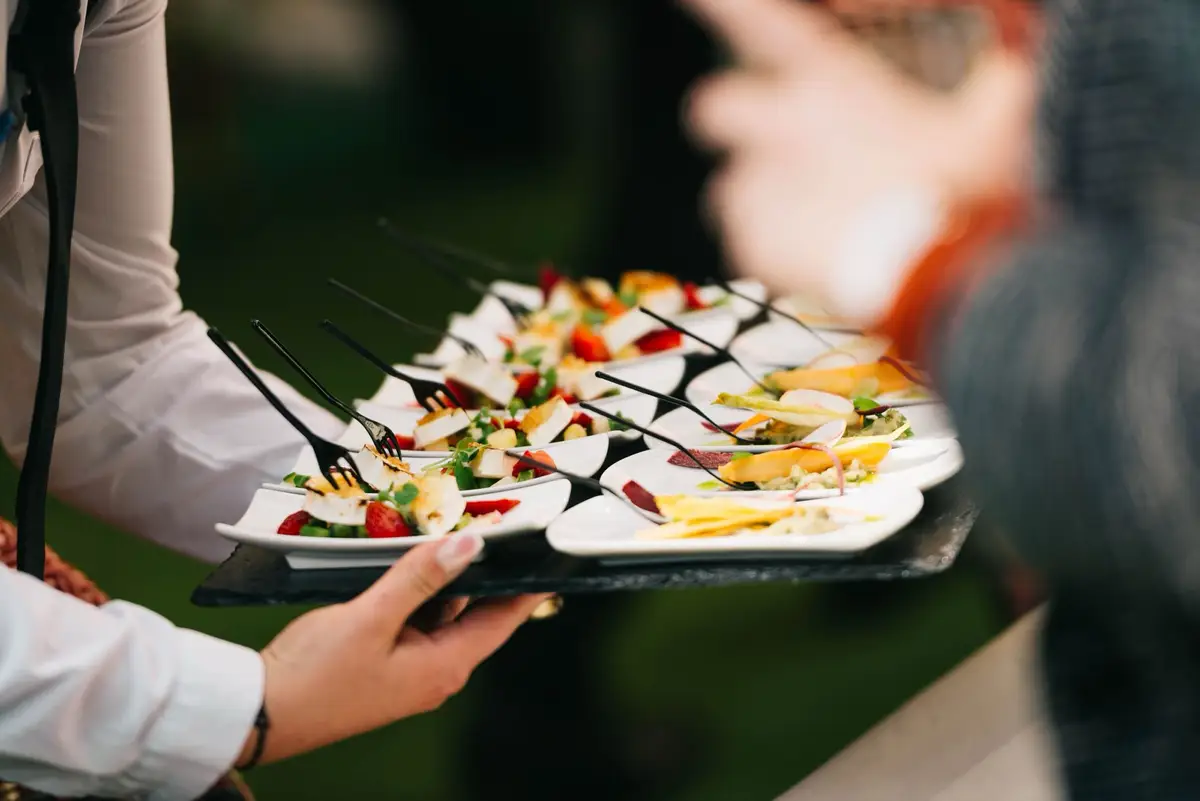
Private event catering in Toronto
Party catering for homes, condo party rooms and rented spaces across Toronto and the GTA: a drop-off spread for 20 people on a Sunday, or a fully…
Explore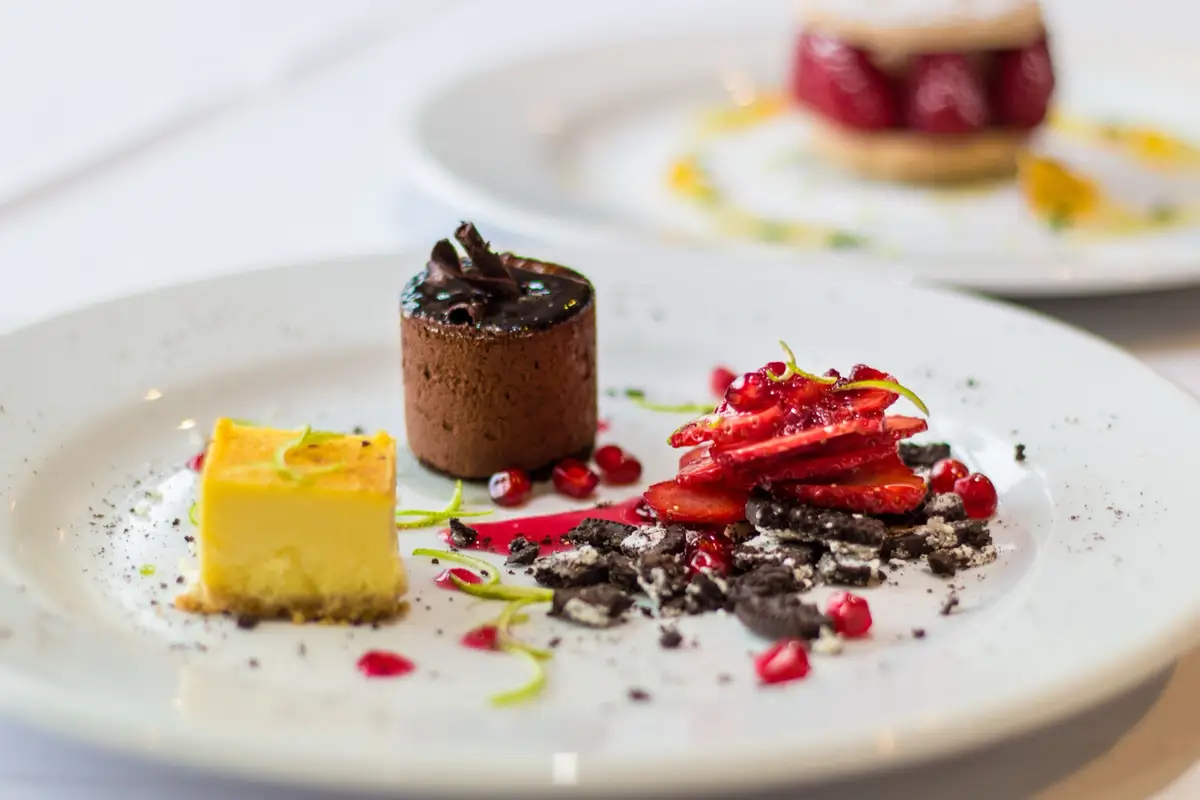
Milestone birthday and anniversary catering
A 60th birthday, a 50th anniversary, a graduation or a retirement party usually puts a toddler, a teenager and a 90-year-old in the same room. We…
Explore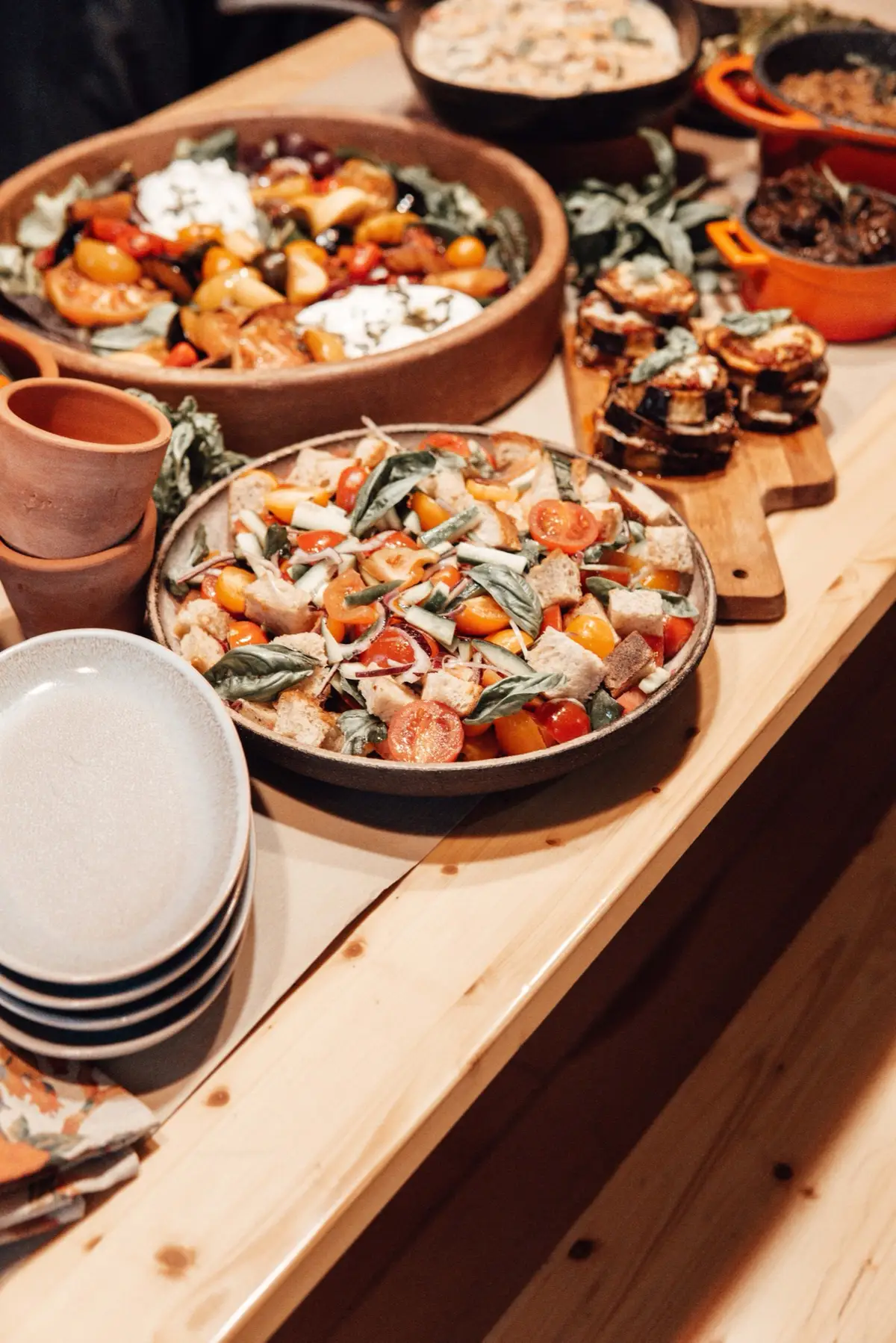
Celebration of life and funeral reception catering
If you are arranging a reception after a funeral or memorial, you probably have very little time and a great deal else to think about. We keep this…
Explore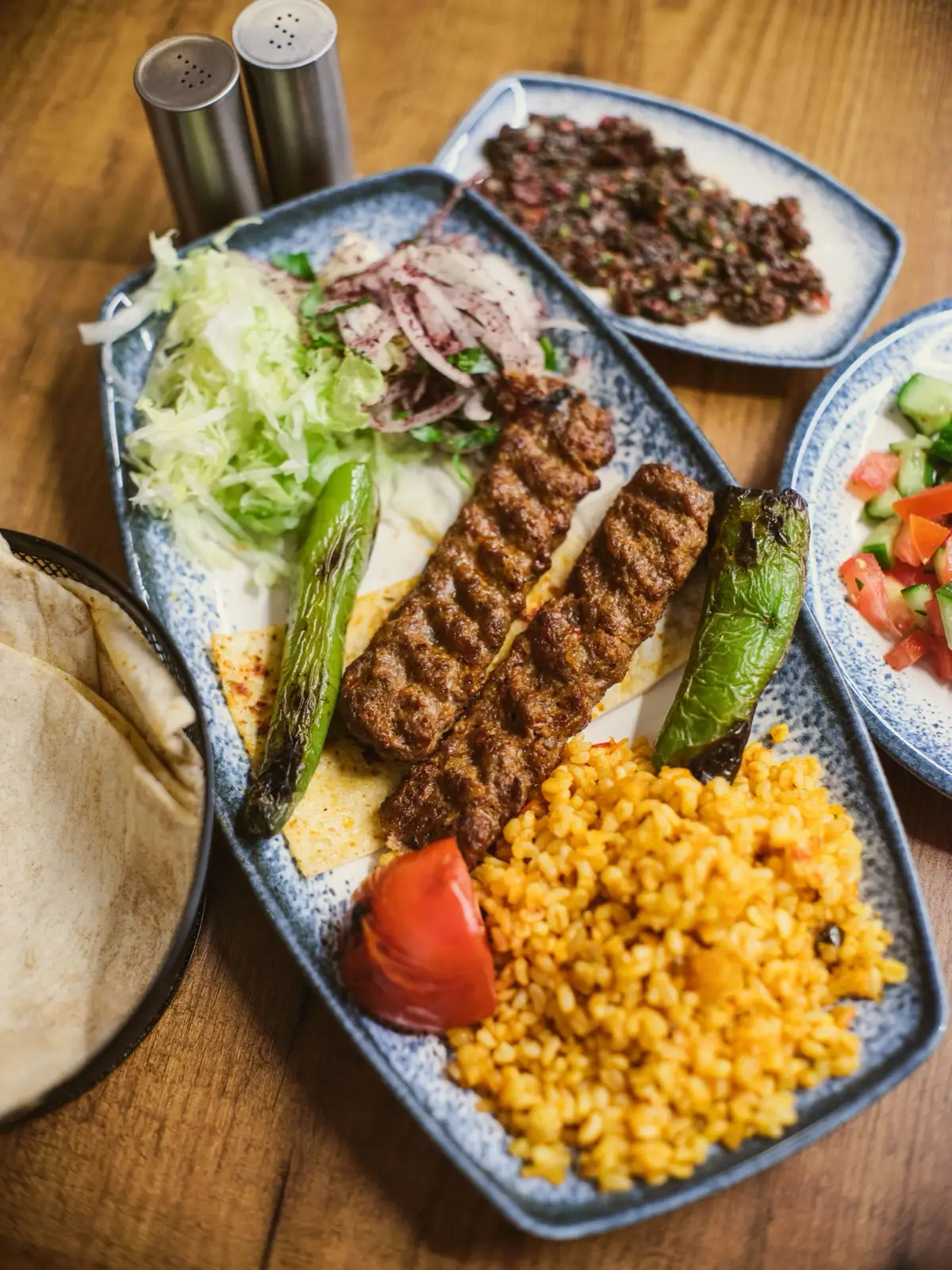
Halal catering in Toronto and the GTA
Halal menus for office lunches, iftars, walimas and family celebrations, with the sourcing and handling for your order confirmed in writing before…
Explore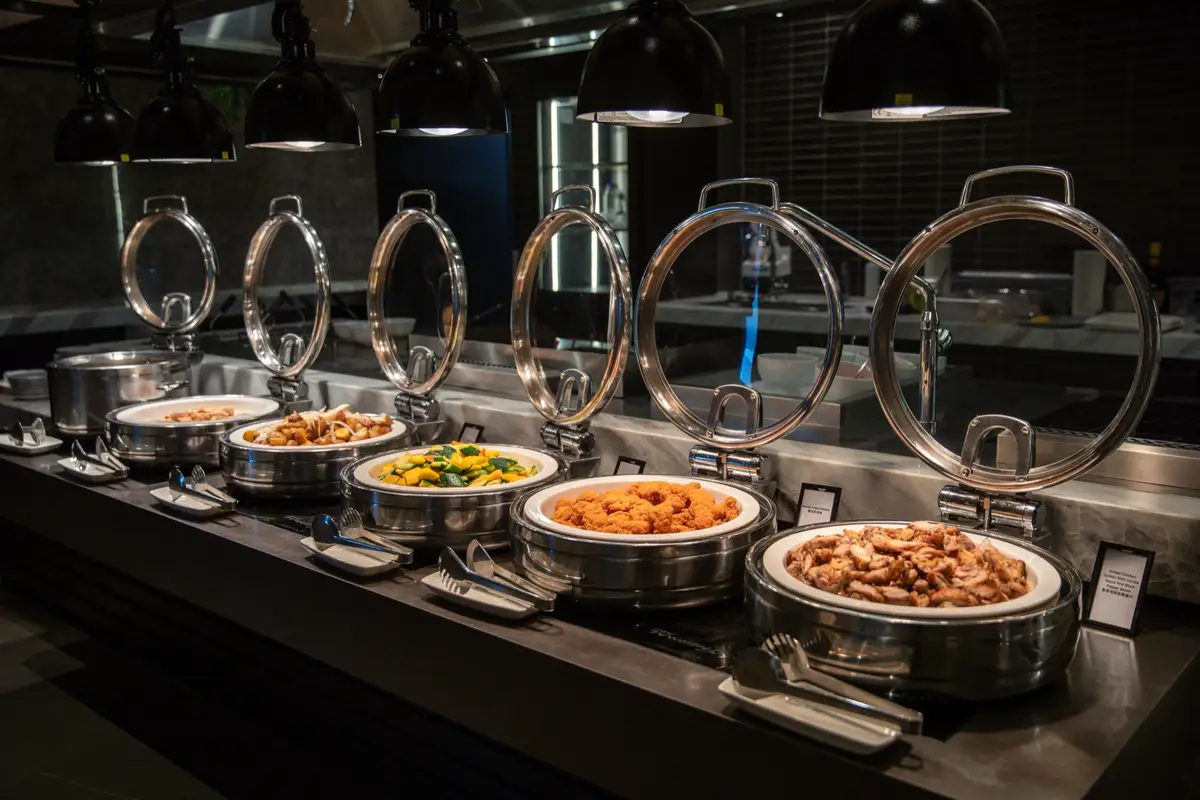
Hot lunch buffet menu
A shared hot meal for teams of 15 to a few hundred: two or three mains, a vegetarian main, sides, a salad and dessert, kept hot in chafing dishes on…
ExploreBuffet vs plated: which service suits your event?
A plated dinner costs more mainly because of staff and preparation, not ingredients. A buffet gives guests choice and quantity but asks for more…
Explore