Menus
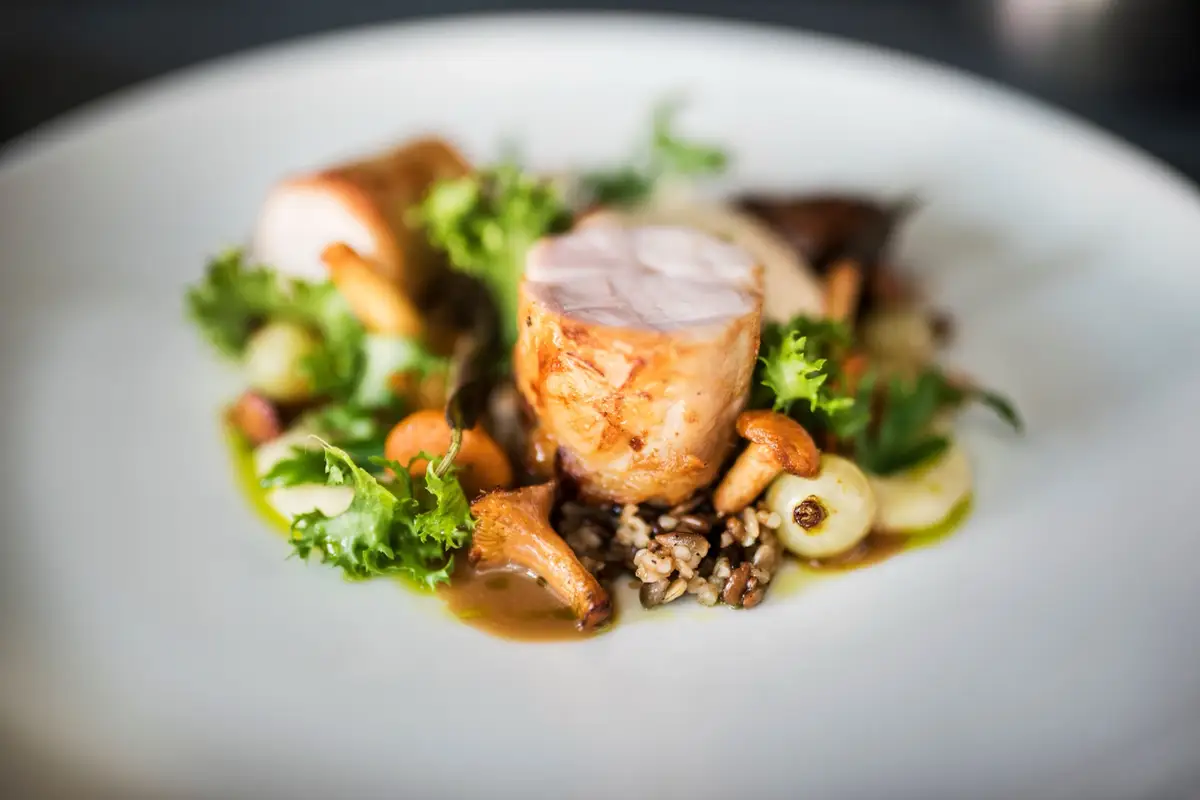
Plated dinner menu
A seated, served dinner of three or four courses. Choose one starter, one dessert and up to three mains (including a vegetarian or vegan main), and we will plan the service around your room and timeline.
How to build a plated menu
A classic Toronto wedding or gala dinner is bread, a starter, a main and dessert, with an optional soup or intermezzo. Keep the starter and dessert the same for every table, and offer a choice only at the main course. Most events offer two or three mains: one meat, one fish, and one vegetarian or vegan main that works for guests with several restrictions.
There are two ways to handle main-course choices. Pre-selected: guests choose on the RSVP, and place cards carry a small marker (a coloured dot or icon) so servers know who gets what. Duo plate: everyone gets a smaller portion of two proteins, which removes the RSVP step but costs more per plate and does not work for vegetarian guests. Pre-selection is usually simpler and cheaper.
Portions and pacing
- Starter: 80–120 g, or 250 ml of soup.
- Main: 170–200 g of protein (raw weight) with a starch and vegetable, or a vegetarian main of equal presence, not just the sides.
- Dessert: a single plated dessert, with coffee and tea served at the table.
From seating to dessert, a three-course dinner for 150 takes about 90 minutes to two hours, not counting speeches. Speeches between courses add time and put hot mains at risk, so we agree the order of speeches and courses with your planner or MC before the day.
Service style and staffing
Plated dinners need the most staff of any format. As a planning guide, allow one server for every 10–12 guests so each table's plates land at the same time, one captain for the room, and kitchen staff in proportion to the menu's complexity. A dinner for 150 typically needs 13–15 servers. Staff are billed per hour and usually arrive two to three hours before guests to set tables.
The venue needs a back-of-house area for plating: a long table or counter per 50–60 plates, power for warming cabinets and a handwashing station. Barns, tents and lofts without a kitchen can work with a rented tent kitchen; see backyard and tent weddings.
Tasting, lead time and what's included
For weddings, book 6 months ahead; peak Saturdays from June to September fill first. Final main-course counts are usually needed two weeks before the event so the kitchen can order proteins. Ask us about menu tastings when you book.
The per-person price includes the courses, bread service, and coffee and tea with dessert. Staffing, the service charge, rentals (china, flatware, glassware, linens) and bar service are listed on the pricing page, where you will also find a worked budget for a plated wedding of 150.
Questions
About this menu
How many main course choices should a plated wedding have?
Two or three: one meat, one fish and one vegetarian or vegan. More choices make RSVPs and service harder without making guests happier.
How many servers does a plated dinner need?
As a planning guide, one server per 10–12 guests, plus a captain and kitchen staff. For 150 guests that is about 13–15 servers.
Is plated more expensive than a buffet?
Usually, mainly because of staffing. Industry guides such as EventSource put Toronto plated wedding dinners at about $80–$150+ per person and buffets at $50–$100.
Can a plated dinner be fully halal?
All meat mains on this menu are made with halal-sourced meat, and none use alcohol in the sauce. Tell us your requirements and we will confirm in writing how they are met; see halal catering.
When do you need final meal counts?
Usually about two weeks before the event, so proteins can be ordered. Your contract states the exact deadline.
Keep planning
Related pages
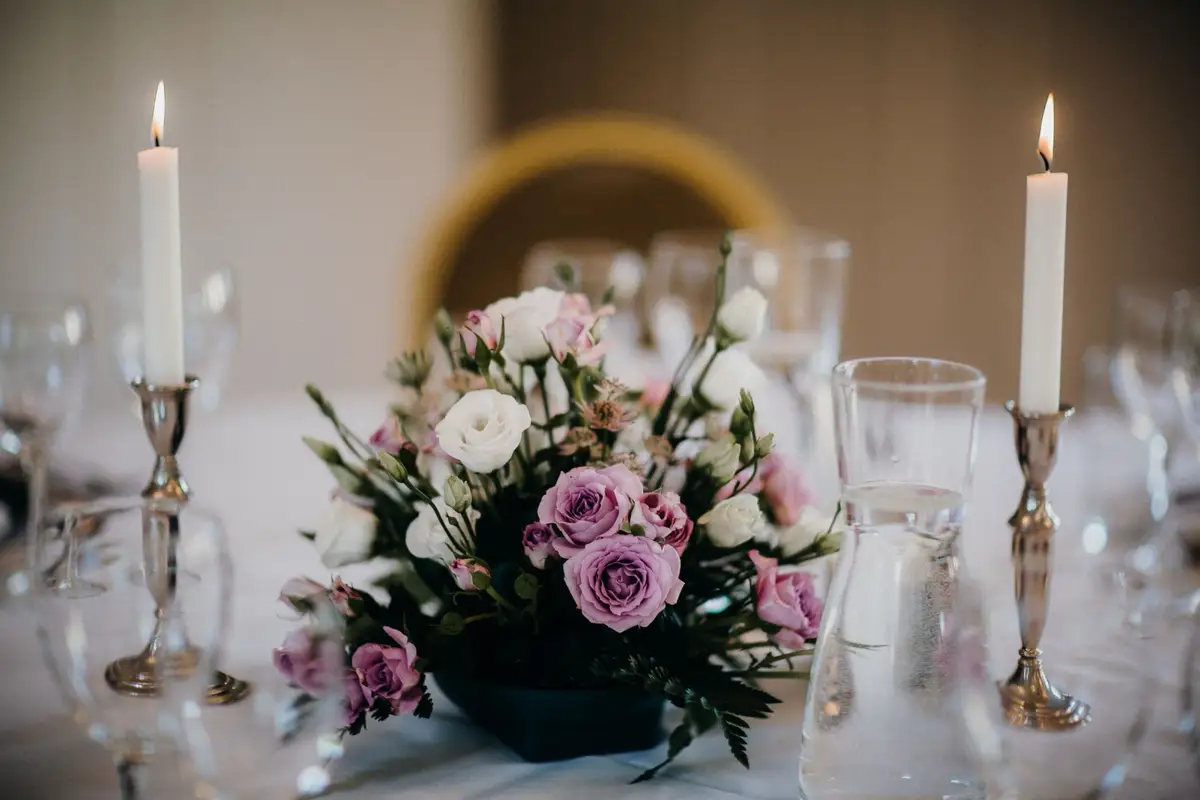
Wedding catering in Toronto and the GTA
Full-service wedding catering from our kitchen: canapé receptions, long-table dinners for small weddings, and tented backyard celebrations. You get a…
Explore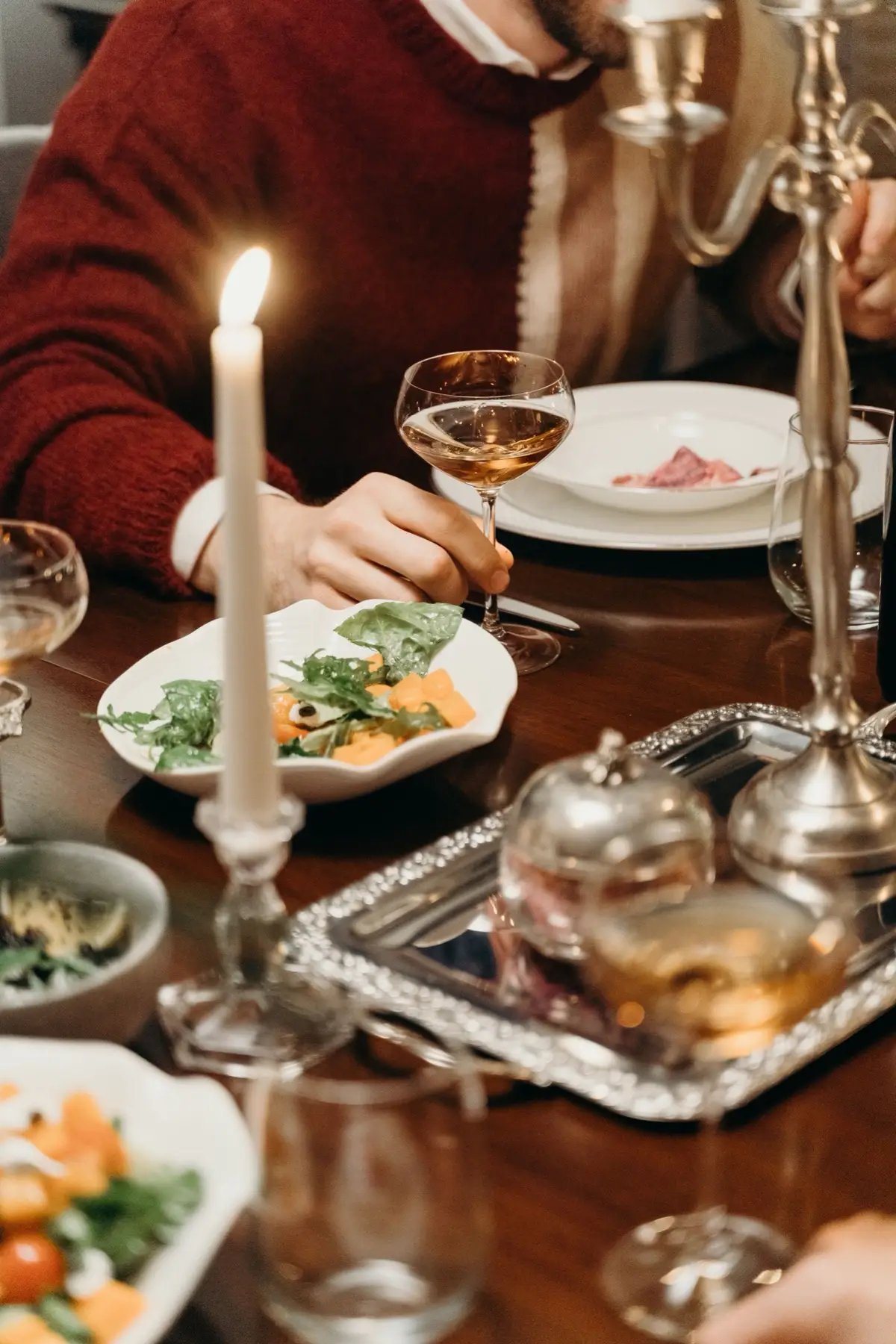
Micro-wedding catering
A wedding for 10 to 50 people changes what catering can be: one long table, a menu built around the two of you, and a chef who can talk to guests…
Explore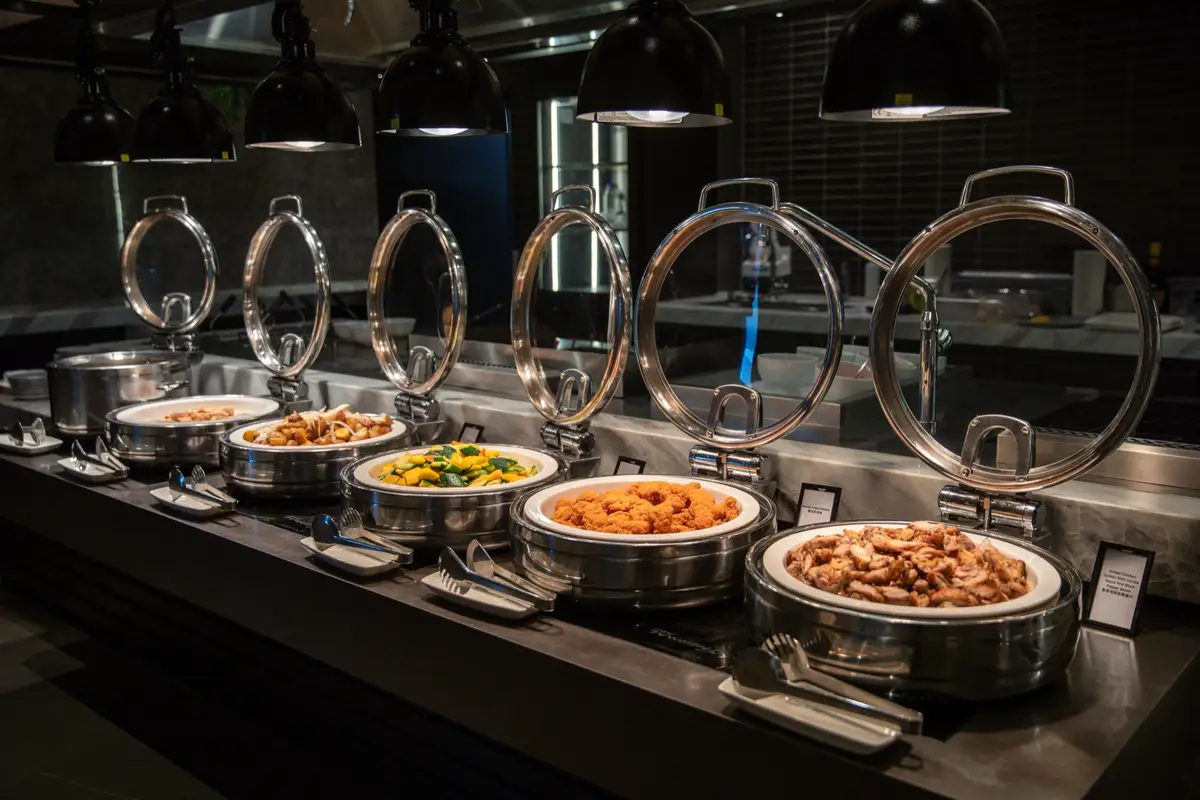
Buffet vs plated: which service suits your event?
A plated dinner costs more mainly because of staff and preparation, not ingredients. A buffet gives guests choice and quantity but asks for more…
Explore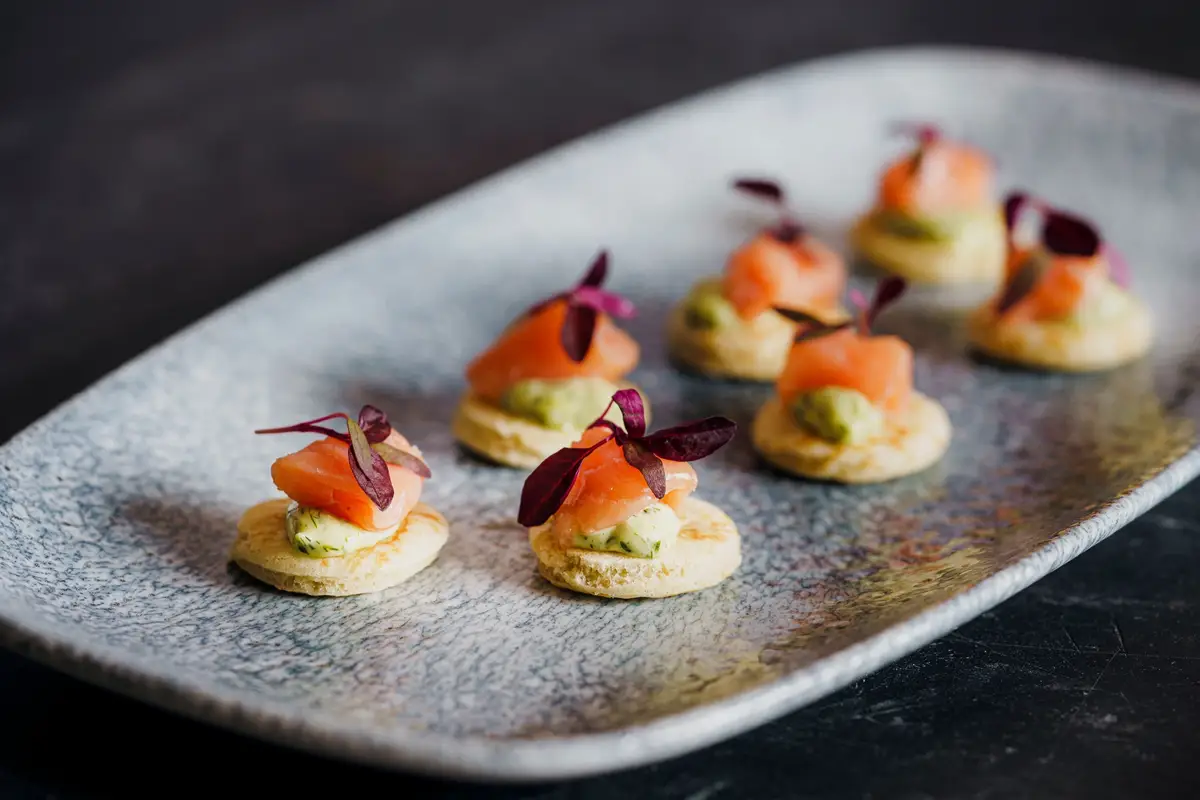
Canapé menu
Two-bite food passed by servers, designed to be eaten standing with a drink in the other hand. Choose six to ten canapés from the lists below and we…
Explore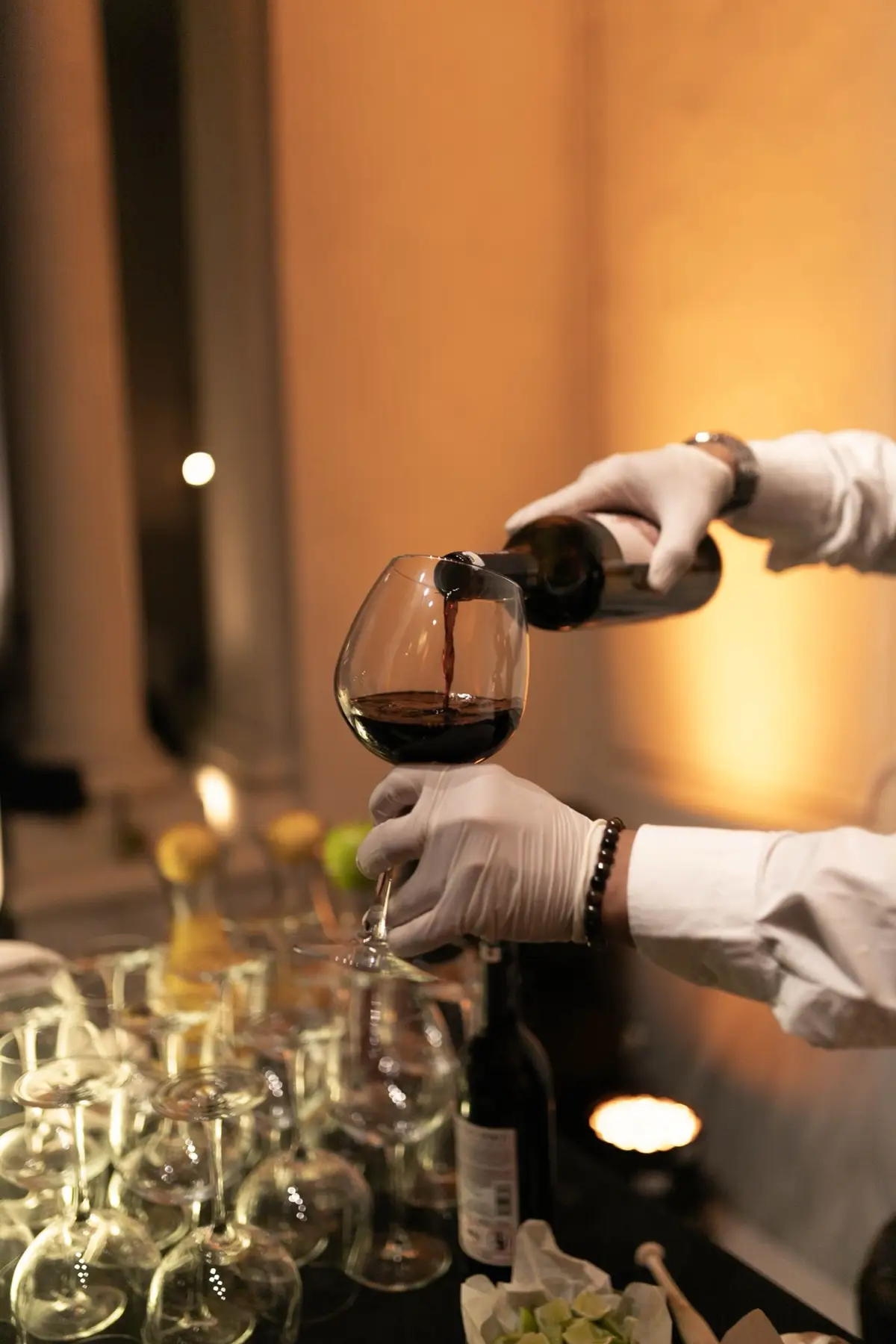
Full-service catering
Our team runs the food side of your event from load-in to the last tray out: chefs finishing food on site, servers, an event lead, setup, service and…
ExploreWedding catering cost in Toronto: what $60, $100 and $150 per guest buys
EventSource puts most Toronto and GTA weddings at $50–$100 per guest for catering, with a full range of $30–$150. What matters more is what sits…
Read the guide