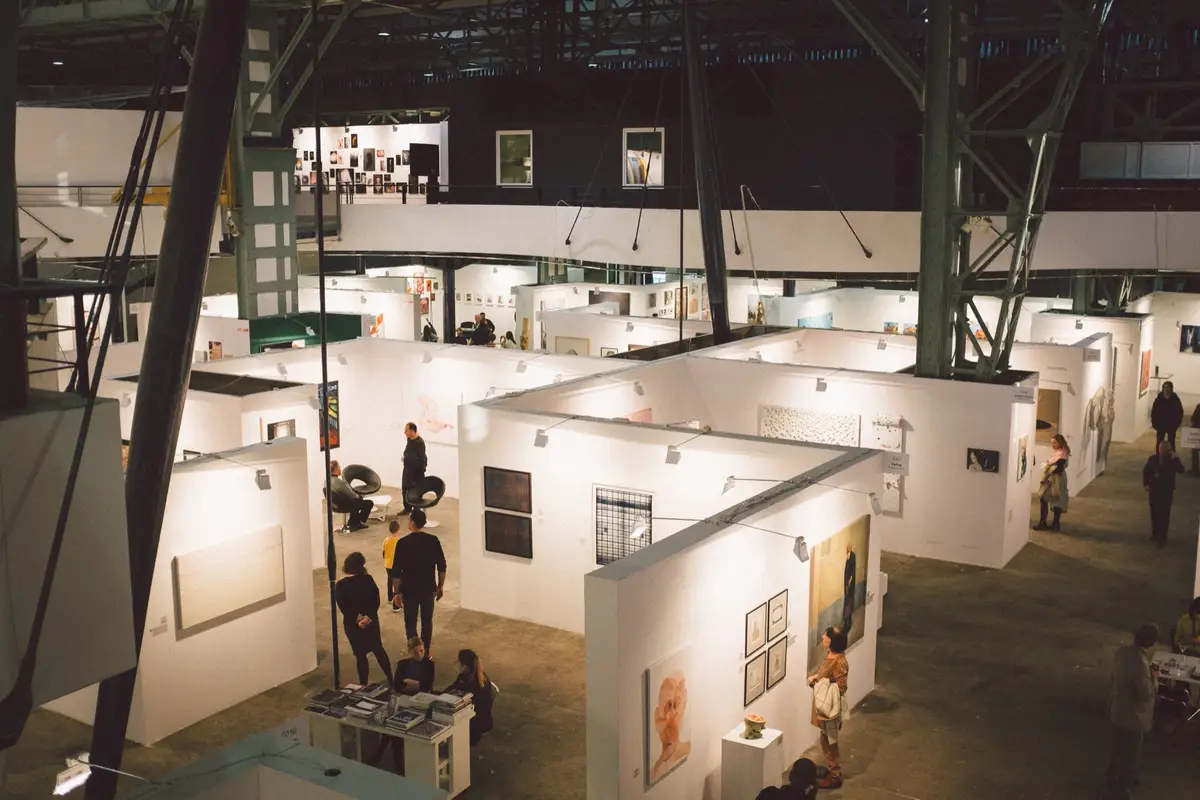
Venue guide
Catering galleries and museums
In a gallery the art sets the rules. Menus are built around one-bite food, careful staff and a load-in that happens after the public leaves.
The rules you will usually meet
Every institution writes its own event policy, and the larger the collection, the stricter it tends to be. The conditions below come up often in Toronto galleries, museums and artist-run spaces. Ask for the written policy early, because it shapes the whole menu.
- No open flame. Chafing fuel, candles and torches are commonly banned. Hot food has to be held with electric equipment or served straight from a back room.
- Food and drink kept away from the work. Venues often set a minimum distance from art, restrict food to certain rooms, or close some galleries during the event.
- Limits on red wine and dark liquids. Some spaces allow only white wine, sparkling and clear drinks in exhibition rooms.
- Nothing on the walls or floors. No tape, no hooks, and sometimes no rolling racks on finished floors without protection.
- Fixed access windows. Load-in often starts only after closing, with security escorting vendors and a hard end time for clear-out.
- Paperwork. A certificate of insurance, a list of staff names for security and sometimes a pre-event walkthrough are standard requests.
Where the kitchen goes
Galleries rarely have a kitchen that caterers may use. Some have a staff kitchenette or a loading area that can become a staging zone; others offer a coat room or a corridor. We plan a compact staging area with electric hot boxes, cold storage, a handwashing station and a covered dish return, ideally close to the service door and far from the art.
Because load-in may be as short as 60 to 90 minutes after the building closes to the public, almost everything is finished in our own kitchen. On site the work is assembly, garnish and plating onto trays. Menus that need long on-site cooking are the wrong choice for most galleries.
Menus that respect the room
Gallery menus succeed when guests can eat with one hand, standing, without dropping anything. That is a stricter test than most people expect.
- One bite, no drip. Canapés sized to be eaten whole, on firm bases, with sauces set or piped rather than spooned. Our canapé menu marks which items travel well.
- Avoid crumbs and powders. Flaky pastry, powdered sugar and loose crumbs end up on floors and plinths.
- Passed rather than self-serve. Passed trays keep guests moving and keep food away from the walls. Static grazing displays, if allowed, belong in a designated food room.
- Colour-safe choices. Beet, turmeric, balsamic and dark berry sauces stain. We use them sparingly, or not at all near light floors.
- Small plates for longer events. For receptions over two hours, a few substantial bowl items served from the staging area keep guests fed without a buffet line in the gallery.
For a two-hour reception, 8 to 12 pieces per guest is a common planning figure when canapés are the main food. If the event replaces dinner, plan toward the top of that range or add small plates.
Staffing a gallery event
Gallery service needs more hands than a hall of the same size. Servers carry smaller trays, circulate further, and run dedicated clearing loops so empty glasses and napkins never sit on a ledge or plinth. For a cocktail reception we plan roughly one server for every 15 to 20 guests, plus bar staff and a lead who liaises with the venue's security or operations contact.
Staff are briefed on the venue's rules before doors open: which rooms are food-free, where to place trays, and what to do if a guest carries a drink into a restricted area. Our event staffing page explains roles and rates.
Openings, launches and fundraisers
Exhibition openings and corporate launches in galleries often have unpredictable attendance and a program of speeches. Build the food timeline around the program: heavier passing before speeches, a pause during them so staff are not moving through a quiet crowd, and a second wave after. For fundraisers with a silent auction, keep food and drink away from bid sheets and display items.
Get the policy in writing
Ask the venue for its event and catering policy before the menu tasting. Rules on open flame, red wine and food-free rooms change what we propose, and it is far easier to design around them than to rework a menu later.
Questions
Frequently asked
Can you serve hot food at a gallery with no open flame allowed?
Yes. Hot items are finished in our kitchen, carried in heated containers and held in electric hot boxes in the staging area. Canapés that need heat are warmed in small batches and passed immediately.
Do galleries allow red wine at events?
Policies vary. Some allow it everywhere, some restrict it to certain rooms and some ban it. Check the venue's written policy, and if in doubt, plan a white, sparkling and non-alcoholic bar for exhibition spaces.
How many canapés per person for a gallery opening?
For a two-hour reception where canapés are the main food, 8 to 12 pieces per guest is a common planning range. For a one-hour opening before guests go to dinner elsewhere, 4 to 6 pieces is usually enough.
How long does load-in take at a museum?
It depends on the venue's access window, which can be as short as an hour after public closing. We plan menus that need assembly rather than cooking on site so the team can be ready in that time.
Do you need a site visit for a gallery event?
For a first event at a gallery or museum, yes, or at minimum a detailed floor plan, photos of the service route and the venue's rules. Food-free rooms and access routes are hard to judge from a description.
Keep planning
Related pages
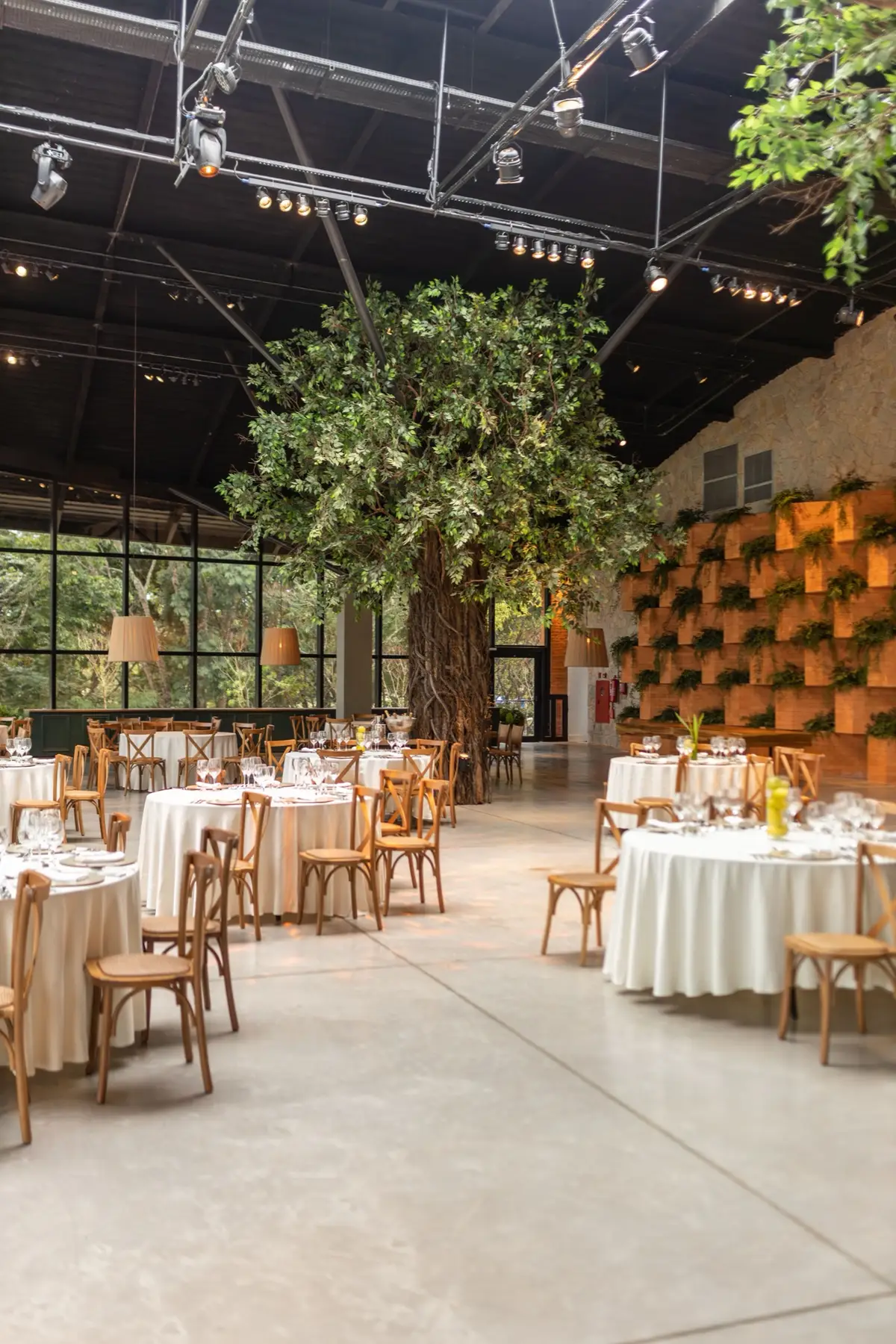
Catering at Toronto and GTA venues
Most venue problems are logistics problems: no kitchen, a 30-minute load-in window, one freight elevator, a fee nobody mentioned. These guides…
ExploreCatering lofts and industrial spaces
Brick, timber and big windows, and almost never a commercial kitchen. Here is how a loft event actually gets fed, from the freight elevator to the…
Explore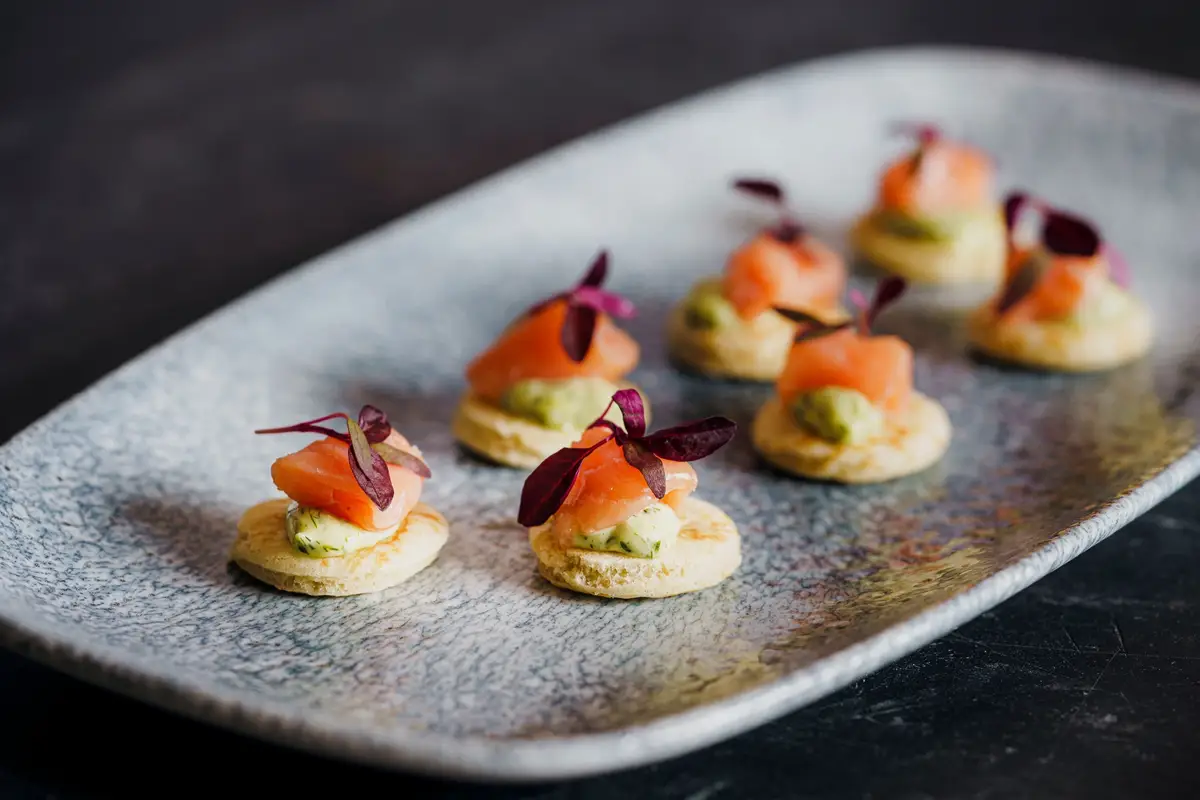
Canapé menu
Two-bite food passed by servers, designed to be eaten standing with a drink in the other hand. Choose six to ten canapés from the lists below and we…
Explore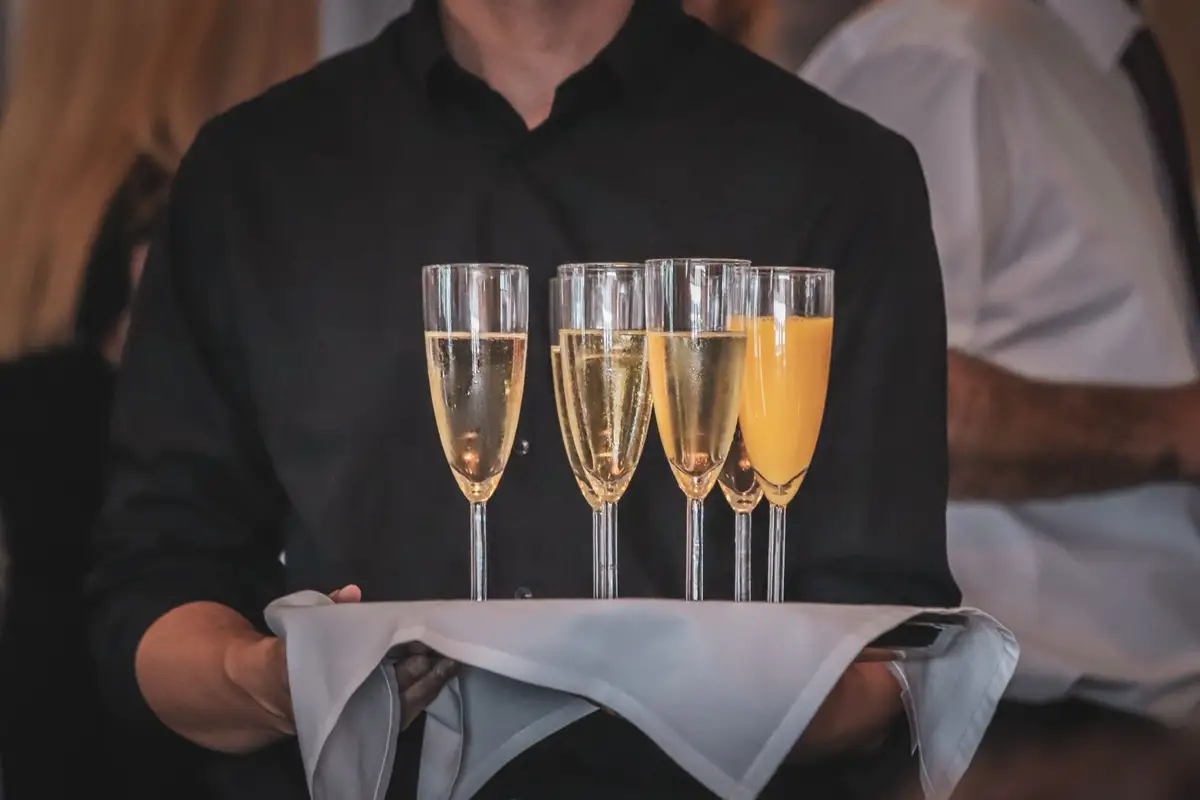
Corporate event and reception catering
Canapés, food stations and grazing tables with full service for client receptions, product launches, open houses and awards nights across Toronto and…
Explore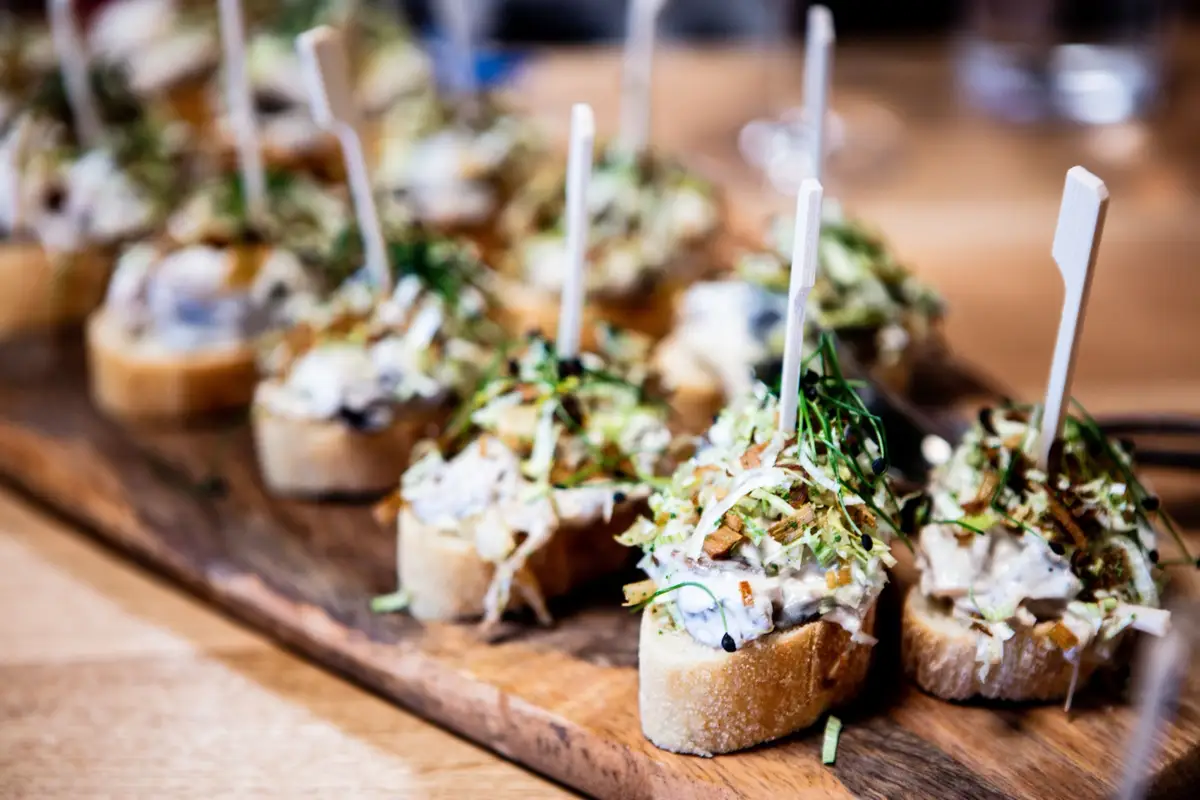
Cocktail party catering
Canapés and small plates for parties of 20 to 100 at home, in a condo party room or a rented space. Below: how much food and drink to plan, what…
ExploreEvent staffing
Servers, chefs, bartenders and an event lead for your catered event, planned by service style and guest count so the room is covered without paying…
Explore