
Venue guide
Catering rooftops and terraces
The view is the easy part. Rooftop events are decided by wind, sun, elevator trips and the building's paperwork, so the plan starts with those.
Where rooftop events happen in the GTA
Rooftop and terrace events in Toronto usually take place in one of three settings: a condo amenity terrace booked by a resident, an office tower or corporate roof deck used for client and staff events, or a rented event space with an outdoor level. Each has a property manager or building operator whose rules come before anything the host or caterer wants.
Those rules are usually written down. Ask for them before booking, and look especially for end times, guest limits, elevator booking, insurance requirements and whether cooking equipment is allowed on the roof.
Elevators and building access
Almost everything reaches a rooftop by elevator, and that is often the bottleneck. A single service elevator shared with residents or tenants can turn a 20-minute load-in into an hour. We ask for a booked elevator window, the cab size and weight limit, and whether the last flight to the roof is stairs only.
Propane is a specific issue. City of Toronto guidance on propane cylinders in residential buildings says they must travel in a service elevator, or with the person transporting the cylinder alone in a passenger elevator if there is no service elevator. Many buildings go further and ban propane on the roof altogether, so grills and burners are often not an option.
Buildings commonly require a certificate of insurance from each vendor, a list of staff names for the security desk, and floor protection for carts. Build a week of lead time into the plan for this.
Wind
Toronto rooftops catch lakeside wind even on warm days, and higher floors get more of it. Wind affects catering in ways that are easy to miss:
- Napkins, cocktail picks and paper menus blow away. Use weighted holders and cloth napkins.
- Light canapés slide off trays. Passed items need a firm base and a tray with a liner or a lip.
- Chafing fuel and tealights go out or become a hazard, and many buildings prohibit them anyway. Electric holding stays behind a wall or in an indoor amenity room.
- Tall glassware tips over on high-top tables. Lower tumblers and weighted table bases help.
- Pop-up tents and umbrellas can become dangerous in gusts. Follow the building's rules and take them down if the wind picks up.
Sun and heat
Rooftops have little shade and heat reflects off decking and glass. From June to August the hottest part of a rooftop event is often the first hour, before the sun drops. Late June sunsets in Toronto are after 9 p.m.; by mid-September they arrive around 7:30 p.m., which changes both lighting needs and how long food sits in direct sun.
Ontario's Food Premises regulation sets cold holding at 4°C or colder. On a sunny roof that means cold canapés are plated in a shaded or indoor staging area and passed in small batches, cold displays sit on ice beds, and chocolate, butter-based pastry and soft cheese are kept inside until the last moment. Plan water stations for guests and staff.
Menus that work on a roof
The best rooftop menus are finished indoors and served outdoors in short waves.
- Cold and room-temperature canapés such as crudo on crisp bases, tartlets and skewers, from our canapé menu.
- Mezze-style small plates that are good at room temperature, served from an indoor amenity room with guests carrying plates out.
- Warm items in small batches, held electrically inside and passed immediately.
- Grilling only where explicitly permitted, with the equipment, fuel and fire safety plan approved by the building.
Grazing tables left outside for hours in July are the most common rooftop mistake. If you want one, keep it indoors next to the terrace doors, or limit it to about an hour and replenish it from refrigeration.
Rain plan
Every rooftop booking needs a named indoor fallback: an amenity room, lobby lounge or office floor where the event can move with short notice. Agree the decision time with the building and your guests' expectations before the day, and make sure the fallback room has space for a staging area too.
Book the elevator before the caterer
In condo and office buildings, the service elevator is often booked out weeks ahead for moves and deliveries. Reserve load-in and load-out windows as soon as you confirm the terrace.
Questions
Frequently asked
Can caterers use a barbecue on a condo rooftop in Toronto?
Only if the building allows it. Many condo corporations restrict or ban propane and open flame on roofs and amenity terraces, and propane cylinders have transport rules in elevators. Check the building rules first.
What food works best for a rooftop party?
Items that are finished indoors and served in small waves: cold canapés, room-temperature small plates and warm bites held electrically inside. Avoid long-standing displays of cheese, seafood or chocolate in direct sun.
What insurance does a building need from a caterer?
Most buildings ask each vendor for a certificate of insurance naming the condo corporation or property manager. Send us the building's requirement and we will confirm what we can provide and by when.
How early should a rooftop event be booked with the building?
As early as you can. Terraces, service elevators and security staff are shared resources, and summer weekends are in demand. Confirm the terrace, elevator windows and fallback room together.
What if it rains on the day?
Move to the indoor fallback space agreed with the building. Because rooftop food is prepared and staged indoors anyway, the menu usually stays the same; only the service layout changes.
Keep planning
Related pages
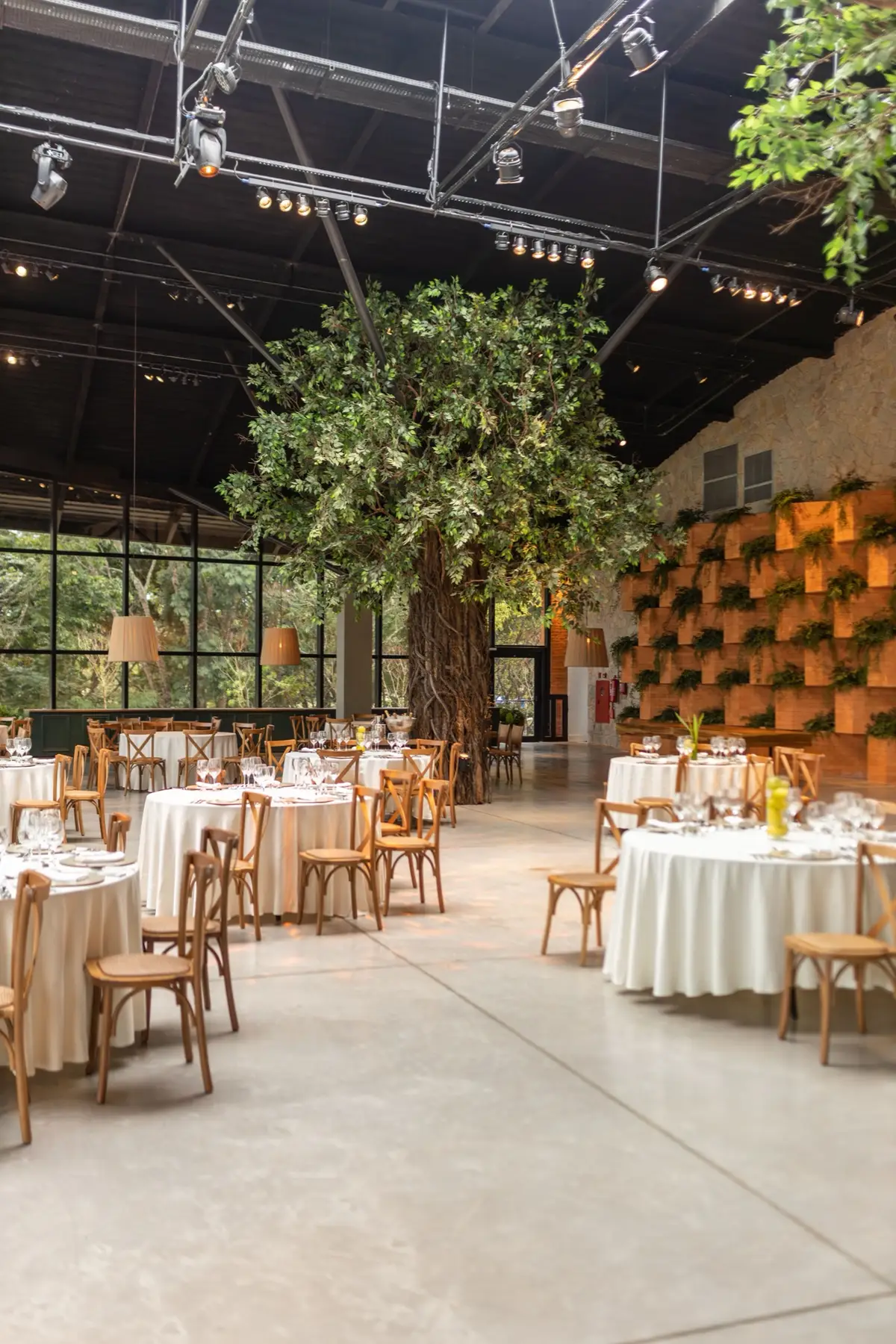
Catering at Toronto and GTA venues
Most venue problems are logistics problems: no kitchen, a 30-minute load-in window, one freight elevator, a fee nobody mentioned. These guides…
Explore
Catering at private homes and condos
A home dinner for 14 and a condo party-room birthday for 60 are different jobs. Both depend on a kitchen, an elevator or a front door that was never…
Explore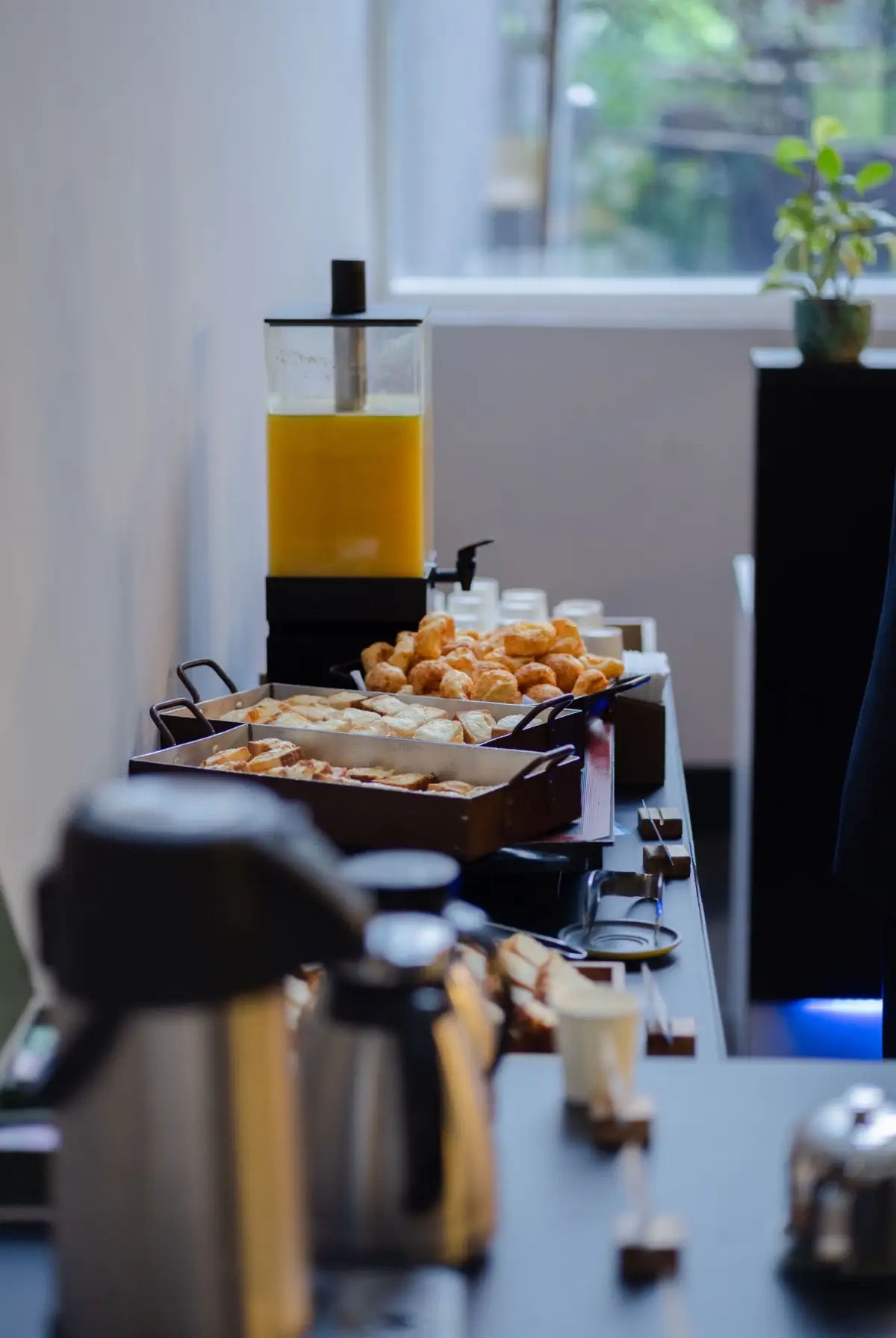
Catering offices and boardrooms
Office catering is judged in the ten minutes before a meeting starts. Getting food through security, up the right elevator and onto the table on time…
Explore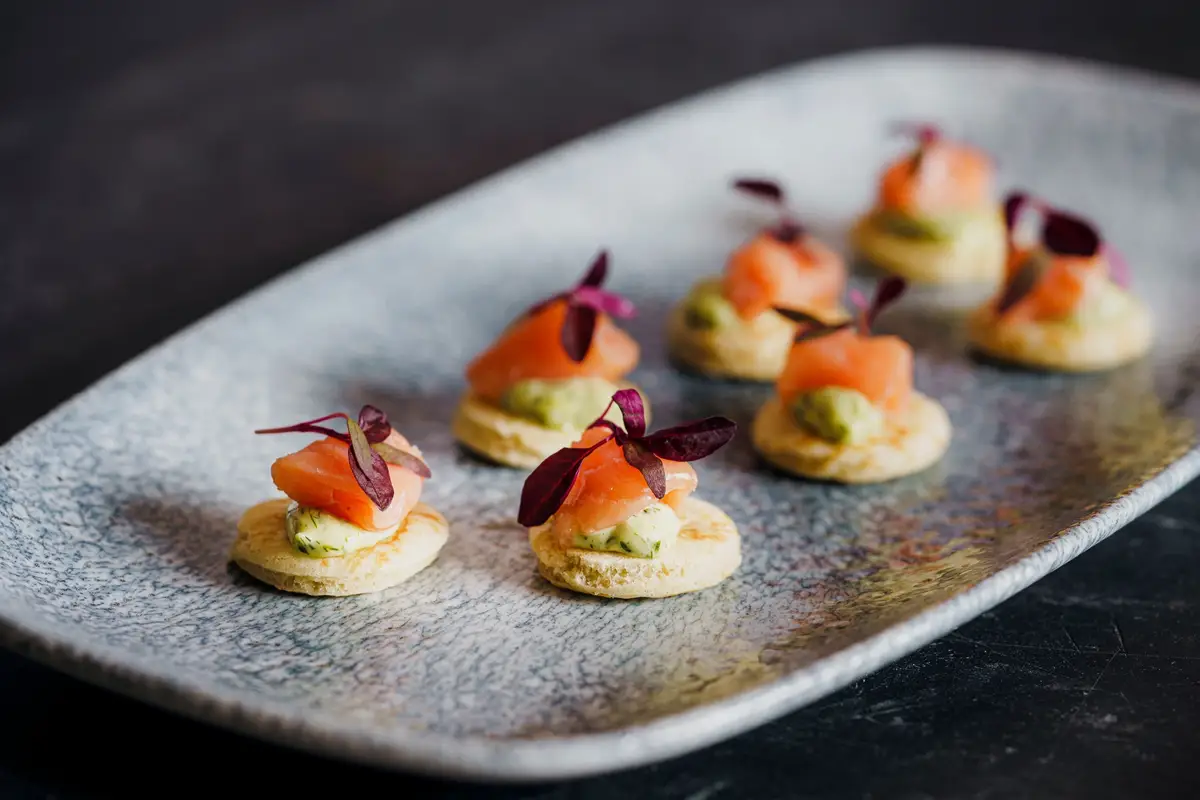
Canapé menu
Two-bite food passed by servers, designed to be eaten standing with a drink in the other hand. Choose six to ten canapés from the lists below and we…
Explore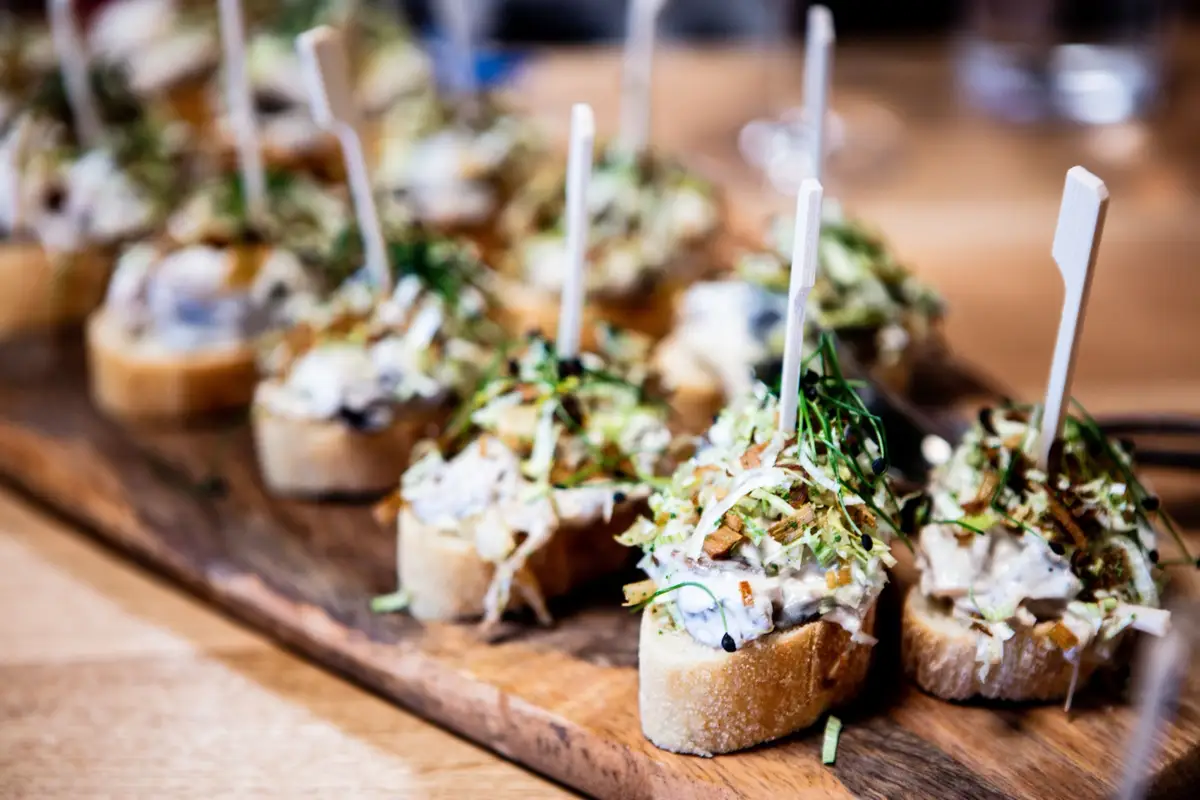
Cocktail party catering
Canapés and small plates for parties of 20 to 100 at home, in a condo party room or a rented space. Below: how much food and drink to plan, what…
Explore
Corporate event and reception catering
Canapés, food stations and grazing tables with full service for client receptions, product launches, open houses and awards nights across Toronto and…
Explore