Weddings
South Asian wedding catering
Mehndi, sangeet, ceremony and reception are different events with different food, often on different days and in different places. We plan the menus as one sequence so each event has its own character and nothing is repeated from Thursday to Saturday.
Planning food across several events
A South Asian wedding in the GTA is rarely a single meal. A common pattern is a mehndi or haldi at the family home midweek, a sangeet on Friday evening, the ceremony on Saturday morning and a reception that night. Guest counts often grow at each stage: 60 close family at the mehndi, 200 at the sangeet, 350 or more at the reception.
Each event suits a different style of food:
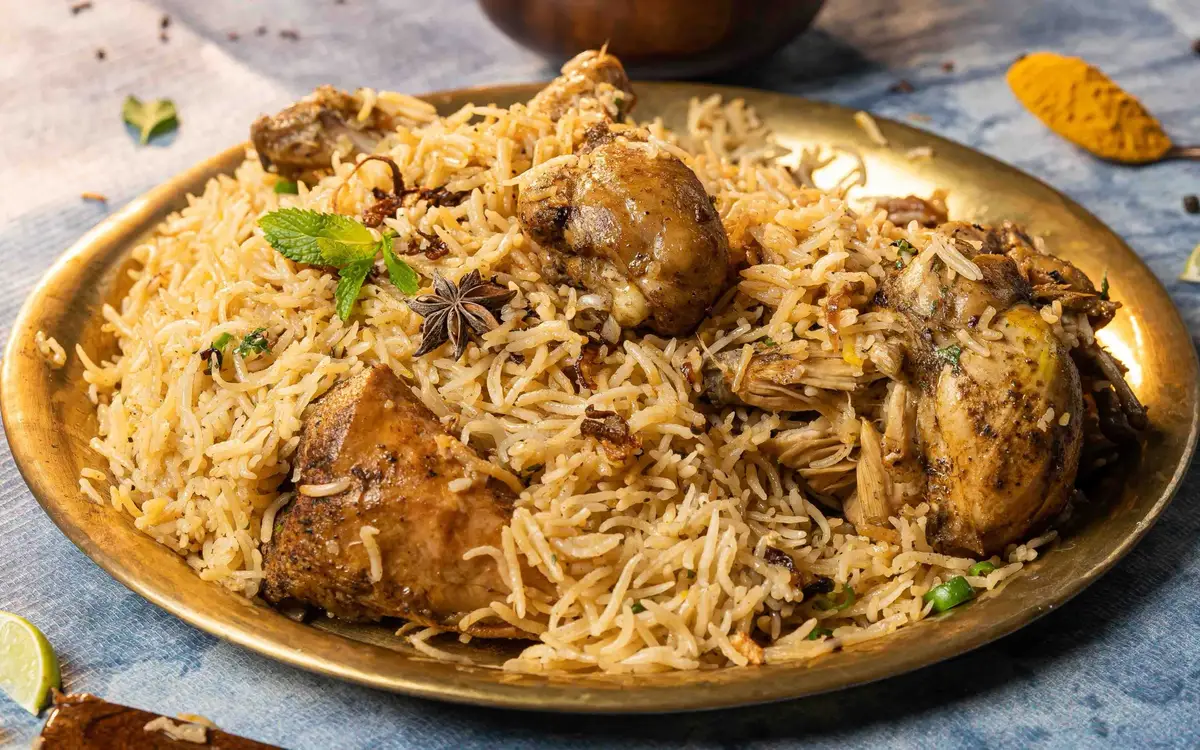
- Mehndi and haldi: relaxed, daytime or early evening, often at home or in a backyard. Chaat, samosas and pakoras, a biryani or pulao with a vegetarian curry, masala chai. Food guests can eat while their hands are drying is a genuine consideration, so bite-sized and passed items matter.
- Sangeet: an evening party with performances. Live stations work well because guests eat between dances rather than at a fixed dinner time.
- Ceremony: often morning. Ceremonies at a gurdwara, mandir or mosque follow that place's own food customs and rules, and many serve their own meal, so outside catering usually starts afterwards. Tell us what the venue allows.
- Reception: the largest and most formal event, usually a hot buffet or a mix of stations and buffet, with a long dessert table.
We price each event separately so the family can see what each day costs, and we avoid repeating the same dishes across events unless you ask for a favourite twice.
Vegetarian, non-vegetarian and halal: keeping them apart
On many guest lists there are strict vegetarians, guests who eat no beef or no pork, guests who need halal meat, and sometimes Jain guests who avoid onion, garlic and root vegetables. The buffet has to work for all of them without anyone needing to ask.
At our events the vegetarian buffet line is physically separate from the non-vegetarian line, with its own serving utensils, and each dish carries a card naming it and marking it vegetarian, vegan, contains dairy, contains nuts or contains egg. Desserts are labelled for egg too, because many vegetarian guests do not eat it.
For halal meat, tell us which standard your family follows. Communities in the GTA recognise different certification bodies, and some families only accept a particular one. We will confirm in writing how the meat is sourced and prepared before you book, and if we cannot meet your standard we will say so. Our halal catering page explains the options. For Jain meals, let us know at inquiry and we will confirm which dishes we can prepare to that standard.
| Event | Typical guests | Format that fits |
|---|---|---|
| Mehndi / haldi | 40–100 | Passed snacks, chaat, one-pot mains, chai |
| Sangeet | 100–250 | Live stations and grazing between performances |
| Post-ceremony lunch | 100–300 | Buffet or family-style, lighter menu |
| Reception | 200–500 | Appetizer course, separated buffet lines, dessert table |
Guest counts, buffet lines and timing
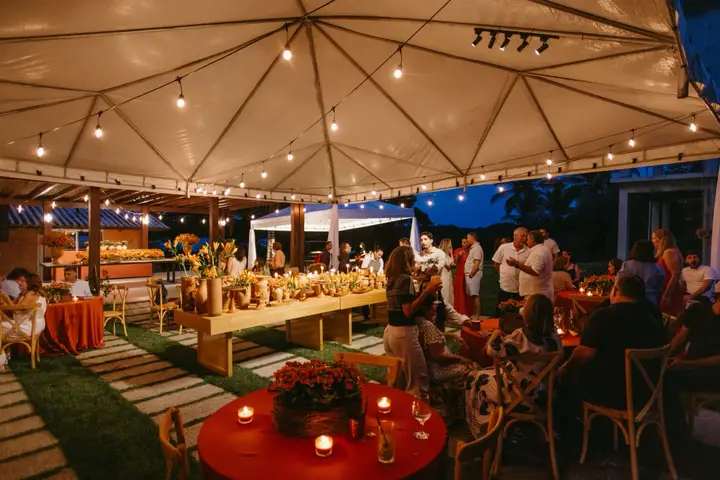
Large receptions stand or fall on queue length. A single-sided buffet line serves roughly 50 to 75 guests before the wait becomes a problem; for 350 guests we plan at least two double-sided lines plus separate vegetarian service, and release tables in groups announced by the MC.
Dinner at a South Asian reception is often served later than at other weddings, after the couple's entrance, speeches and performances. That means guests arrive hungry and stay for hours before the main meal, so the appetizer course has to be generous: we typically plan passed and station appetizers as a real course rather than a snack. It also means food has to hold longer, and we cook the buffet in batches timed to the actual start of dinner, not the time printed on the invitation.
Many banquet halls in Brampton and Mississauga have in-house kitchens and some only allow approved caterers. Ask the hall in writing about outside catering, kitchen access, fees and the hour at which the room must be empty. Our cultural and community halls guide covers the questions.
Live stations that work, and the ones that need permission
Live stations bring the energy of a street market into a hall: pani puri assembled to order, aloo tikki chaat on a griddle, dosa or kathi rolls, a jalebi station for dessert. Stations with a flat-top griddle and induction or butane burners are practical in most halls and tents.
Stations with open charcoal or a live tandoor are different. Many venues do not allow them indoors, and outdoors they need space, ventilation and the venue's agreement, and sometimes the local fire department's. We will not promise a live tandoor until the venue has confirmed it in writing; the alternative is tandoori dishes cooked in our kitchen and finished on site.
Spice levels deserve a conversation. A mixed guest list, including colleagues and friends from outside the community, may want a milder version alongside the family-strength dish. We usually set the level at the tasting and label the hotter dishes.
Pricing and what to send us
Reception buffets start from $68 per guest and station-based menus from $72, before HST and the 18% service charge. A multi-event wedding is quoted event by event. To get an accurate first quote, send the list of events with dates, venues and approximate guest counts, the share of vegetarian guests, any halal or Jain requirements, and whether the venue allows outside caterers. Book the reception at least 6 months ahead, earlier for summer Saturdays. More on our South Asian menus and pricing.
Chai is a logistics item
Masala chai for 300 guests after dinner is several urns brewed in batches, plus a milk-free option. Tell us if chai should run all evening or only with dessert; it changes the staff and equipment plan.
Run of show
Reception for 350 guests at a banquet hall
 15:00
15:00Questions
Frequently asked
Can you cater all the events of a South Asian wedding?
Yes. We plan mehndi, sangeet and reception menus together and quote each event separately. Ceremony meals at a place of worship usually follow that venue's own arrangements.
How do you keep vegetarian and non-vegetarian food separate?
Separate buffet lines on opposite sides of the room, separate serving utensils, and labels on every dish. Egg content is marked on desserts as well.
Is your food halal?
Tell us which halal standard your family follows. We confirm in writing how the meat is sourced and prepared, and we will tell you if we cannot meet a particular certification requirement.
Can you set up a live tandoor or chaat station?
Chaat, dosa and griddle stations work at most venues. A live tandoor or charcoal station needs written approval from the venue and enough outdoor space, so we confirm it before it goes in the proposal.
How much does South Asian wedding catering cost in the GTA?
Our reception buffets start from $68 per guest and stations from $72, before HST and service charge. Final cost depends on the number of events, appetizer course, stations and staffing.
Can you cater at a banquet hall in Brampton or Mississauga?
If the hall allows outside caterers, yes. Many halls have an in-house kitchen or an approved list, so confirm outside catering, kitchen fees and closing time with the hall first.
Keep planning
Related pages
Wedding catering in Toronto and the GTA
Full-service wedding catering from our kitchen: canapé receptions, long-table dinners for small weddings, and tented backyard celebrations. You get a…
ExploreSouth Asian catering
North and South Indian, Pakistani, Sri Lankan and Bangladeshi dishes, cooked as distinct regional traditions and served with vegetarian and…
Explore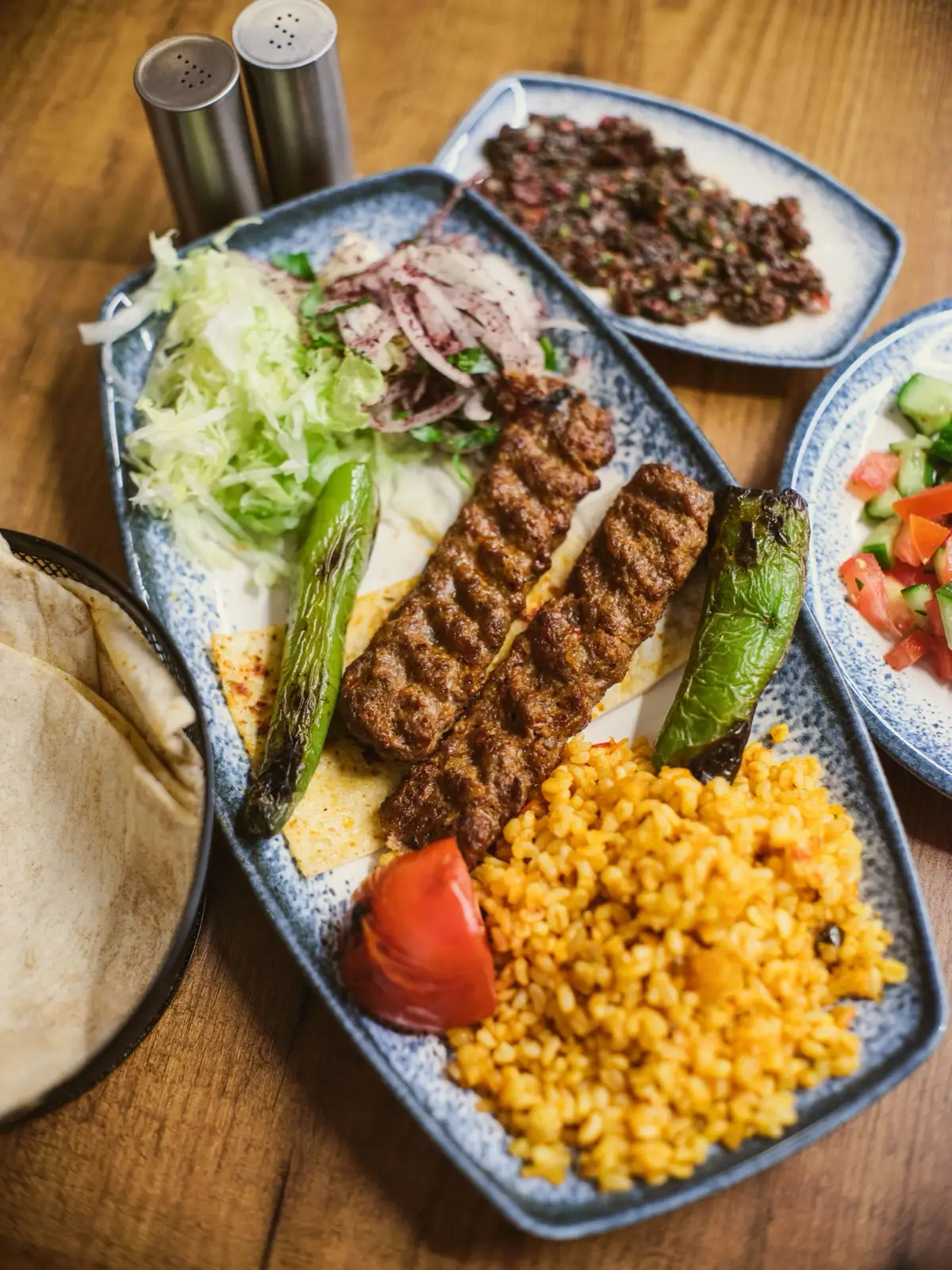
Halal catering in Toronto and the GTA
Halal menus for office lunches, iftars, walimas and family celebrations, with the sourcing and handling for your order confirmed in writing before…
ExploreCatering in Brampton
In Brampton the typical catering question is not "can you feed 40 people" but "can you feed 350 people, three nights in a row, with a fully separate…
Explore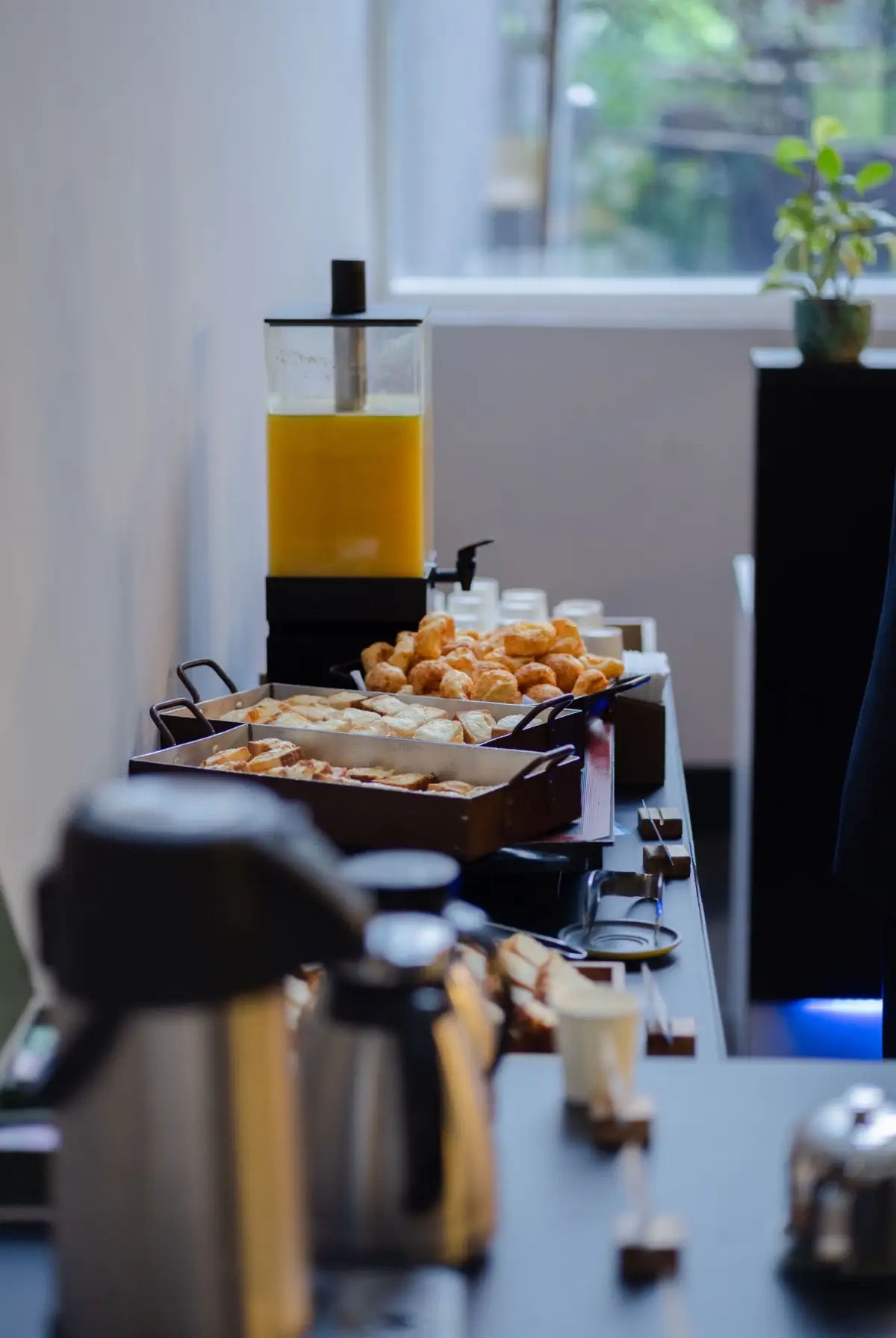
Catering in Mississauga
Mississauga has some of the largest suburban office parks in Canada, so a lot of our work here is weekday corporate catering, often on a recurring…
Explore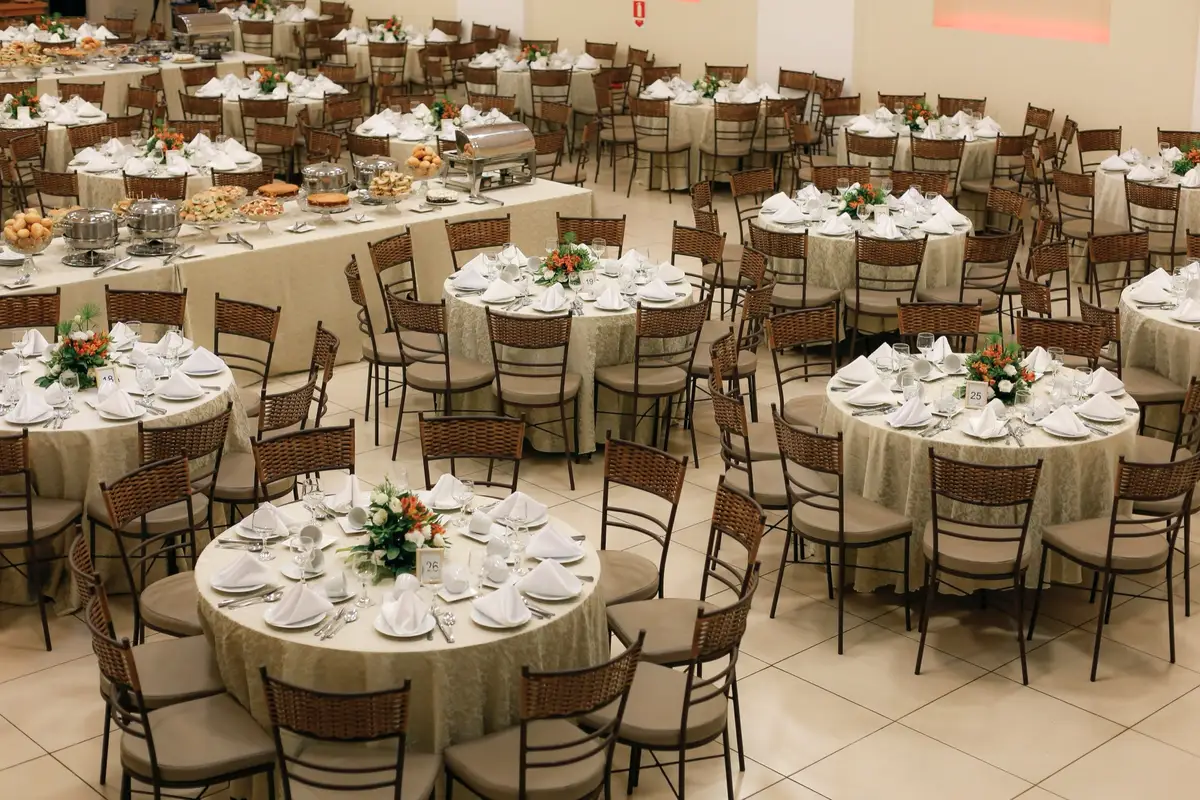
Catering cultural and community halls
Community halls host the GTA's biggest family events: 200-guest anniversaries, Eid dinners, Diwali parties, memorials and fundraisers. They usually…
Explore