Cuisines
South Asian catering
North and South Indian, Pakistani, Sri Lankan and Bangladeshi dishes, cooked as distinct regional traditions and served with vegetarian and non-vegetarian food kept properly apart.
Regional cooking, not one "Indian" menu
South Asia is a subcontinent of very different kitchens, and GTA families usually know exactly which one they grew up with. We plan menus by region instead of mixing everything into a generic curry buffet.
- North Indian and Punjabi: dal makhani, butter chicken, paneer tikka, chole, tandoori-marinated chicken finished in high-heat ovens, and naan or tandoori roti. Rich, dairy-forward and wheat-based.
- Gujarati: largely vegetarian, with dhokla, khandvi, undhiyu in winter, kadhi and a gentle balance of sweet, sour and heat.
- South Indian: dosa with sambar and coconut chutney, idli, medu vada, lemon rice, Chettinad chicken and Kerala-style fish curry with coconut and kokum. Rice-based, with curry leaves, mustard seed and tamarind.
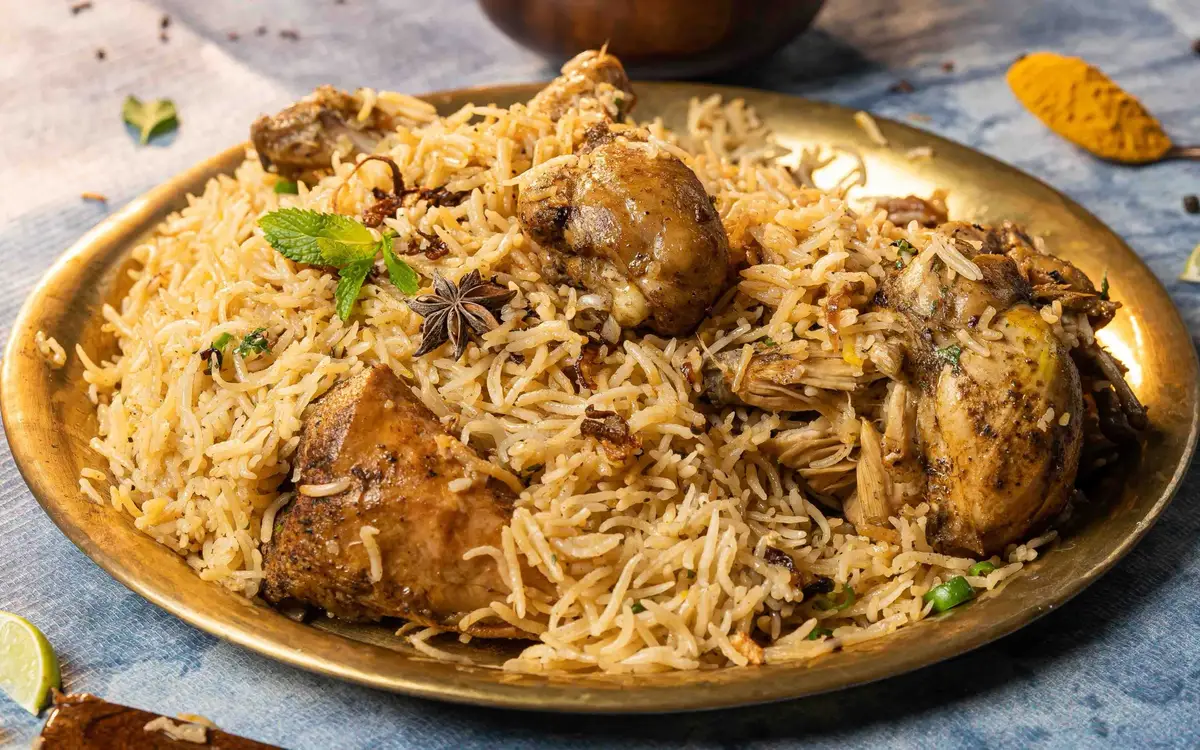
- Hyderabadi: dum biryani, layered raw marinated meat and rice sealed and cooked together, with mirchi ka salan on the side.
- Pakistani: chicken or mutton karahi, seekh kebab, nihari, haleem, Sindhi or Karachi-style biryani (often with potato), and halwa puri for brunch gatherings.
- Sri Lankan: kottu roti, string hoppers, parippu (red lentil curry), pol sambol, and Jaffna-style crab or chicken curry, which matters to many Tamil families in Scarborough and Markham.
- Bangladeshi: kacchi biryani, bhuna khichuri, chicken rezala and pitha for dessert.
Tell us which tradition your guests expect, or which dishes must be on the table. A Punjabi wedding and a Tamil wedding expect very different food.
How the dishes travel and hold
South Asian food is one of the best cuisines for hot holding. Curries, dals and braised meats often improve after an hour, and biryani holds its heat in a sealed pot. That is why it works so well for large buffets and receptions of 200 to 400 guests.
The dishes that need care are the fried and the fresh:
- Naan and roti toughen in a closed chafer within 20 minutes. For full-service events we warm bread in batches through service; for drop-off we pack it wrapped and separate, and suggest a rice-heavy menu.
- Samosas, pakoras and vada are fried or recrisped in ovens on site and served uncovered.
- Chaat such as pani puri or papdi chaat must be assembled to order. Filled puris go soft in under a minute, so chaat is a staffed station, not a tray.
- Dosa is made to order on a griddle and needs dedicated power and a trained cook. We check venue electrical capacity before offering it.
- Raita and chutneys are kept cold on ice, separate from the hot line.
| Course | Dishes | Diet notes |
|---|---|---|
| Passed snacks | Vegetable samosa with tamarind chutney; chicken seekh kebab; paneer tikka | Samosa vegan, contains gluten; kebab halal-sourced, GF; paneer vegetarian, GF |
| Chaat station | Pani puri and papdi chaat assembled to order | Vegetarian; contains gluten and dairy |
| Vegetarian line | Dal makhani; palak paneer; chana masala; jeera rice; kachumber salad | Vegetarian; chana masala and rice vegan; all GF |
| Non-vegetarian line | Chicken karahi; lamb dum biryani with mirchi ka salan | Halal-sourced; GF |
| Bread and sides | Naan warmed in batches; cucumber raita; pickles | Naan contains gluten and dairy; raita vegetarian |
| Dessert | Gulab jamun; kheer; seasonal fruit | Vegetarian, egg-free; kheer GF; may contain nuts |
Service formats that suit it
Buffets are the standard for South Asian receptions and larger family events. Guests expect choice, generous portions and second helpings. We plan double-sided lines and separate vegetarian and non-vegetarian lines, each with its own utensils. See the buffet menu.
Live stations suit sangeets, mehndis and receptions where people eat between dances: chaat, dosa, a kebab grill, jalebi fried to order. See food stations.
Passed snacks work at the start of any event: paneer tikka, chicken seekh kebab, vegetable samosa, dhokla squares.
Boxed lunches for offices: a rice bowl with chana masala, jeera rice and kachumber salad, or chicken tikka with pulao and raita packed separately. See boxed lunches.
For weddings, read our South Asian wedding catering page and the planning guide.
Dietary overlaps
- Vegetarian: many guests are strictly vegetarian, and many also avoid egg. We keep a physically separate vegetarian line and label egg in desserts and baked goods.
- Jain: Jain guests avoid onion, garlic, potatoes and other root vegetables. We can prepare Jain dishes on request, cooked separately and labelled; tell us the count in advance.
- Vegan: ghee, cream, paneer and yogurt are common. Chana masala, aloo gobi, sambar and many dals can be made vegan with oil instead of ghee, and we mark them. See vegan catering.
- Halal-sourced: for Muslim guests we use halal-sourced chicken, lamb, goat and beef and confirm the supplier's certifier in writing. We do not claim a certified kitchen. See halal catering.
- No beef: many Hindu and Sikh guests do not eat beef. Our mixed menus use chicken, lamb or goat by default unless you ask otherwise.
- Gluten-free: rice dishes, dals, most curries and dosa batter (rice and urad dal) have no gluten ingredients, but asafoetida (hing) is often cut with wheat flour, and naan, samosa and puri are wheat. Our kitchen is shared; see gluten-free catering.
Seasons and festivals
The South Asian wedding season in the GTA runs heavily from May to October, with a second peak over the December holidays. Diwali, in October or November, brings both family gatherings and office celebrations with mithai, chaat and a festive lunch. Eid al-Fitr and Eid al-Adha move earlier each year on the lunar calendar. Vaisakhi and the Sinhala and Tamil New Year both fall in mid-April, and Thai Pongal in mid-January.
We also cook to the season. Sarson ka saag with makki di roti is a Punjabi winter dish. Ontario sweet corn becomes roasted bhutta with lime and chilli in August, and mango desserts are best in spring and early summer, when Alphonso and other South Asian mangoes arrive in GTA grocers.
Where we cater it
We cater South Asian events across Toronto and the GTA, particularly in Brampton, Mississauga, Scarborough and Markham, in banquet and community halls, homes, backyards and offices. Some temples and gurdwaras have their own food rules and kitchens; tell us the venue and we will check what outside catering is allowed.
Questions
Frequently asked
Do you cater Pakistani food in Mississauga and Brampton?
Yes. Karahi, seekh kebab, nihari, haleem and Karachi-style biryani are part of our South Asian menus, with halal-sourced meat and delivery across Mississauga, Brampton and the rest of the GTA.
Can you keep vegetarian and non-vegetarian food separate?
Yes. At buffets we set a physically separate vegetarian line with its own utensils and label every dish, including whether desserts contain egg.
Do you make South Indian food like dosa?
Yes. Dosa, idli, vada, sambar and chutneys are available, and dosa is best as a live station at full-service events where the venue has the power for a griddle.
Can you prepare Jain food?
Yes, on request. Jain dishes are made without onion, garlic or root vegetables, cooked separately and labelled. Give us the number of Jain guests when you book.
How spicy is the food?
We cook to the event. For mixed crowds we keep most dishes medium, label heat on each card and serve green chilli, pickles and hot chutneys on the side.
How much biryani do I need per guest?
When biryani is the main rice dish on a buffet with two or three curries, plan about 250–300 g cooked biryani per guest. Guests take more rice at South Asian events than at most others.
Keep planning
Related pages
The cuisines we cook
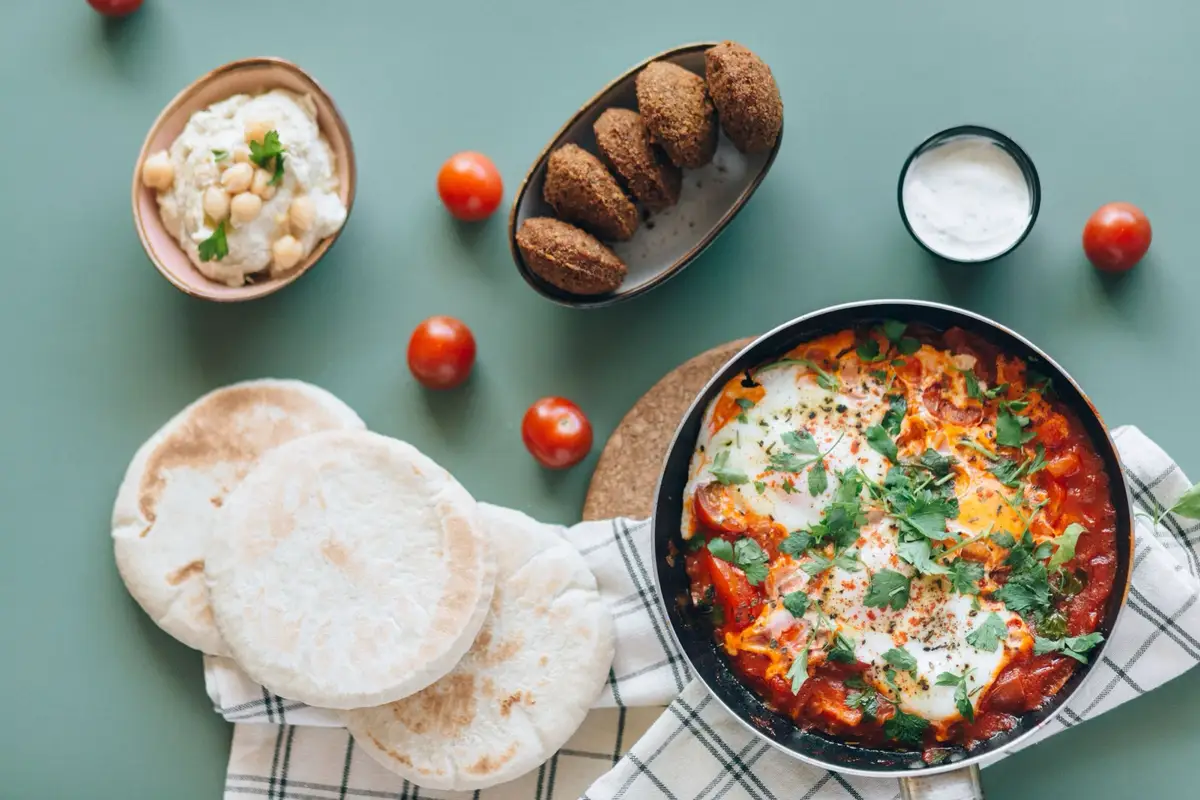
Our kitchen cooks four styles: Mediterranean, Levantine Middle Eastern, South Asian and modern Canadian built on Ontario produce. Cuisine is the…
ExploreSouth Asian wedding catering
Mehndi, sangeet, ceremony and reception are different events with different food, often on different days and in different places. We plan the menus…
ExploreSouth Asian wedding catering in the GTA: planning food across every event
Catering a South Asian wedding means planning several meals for several audiences: an intimate mehndi at home, a lively sangeet, a ceremony with its…
Read the guide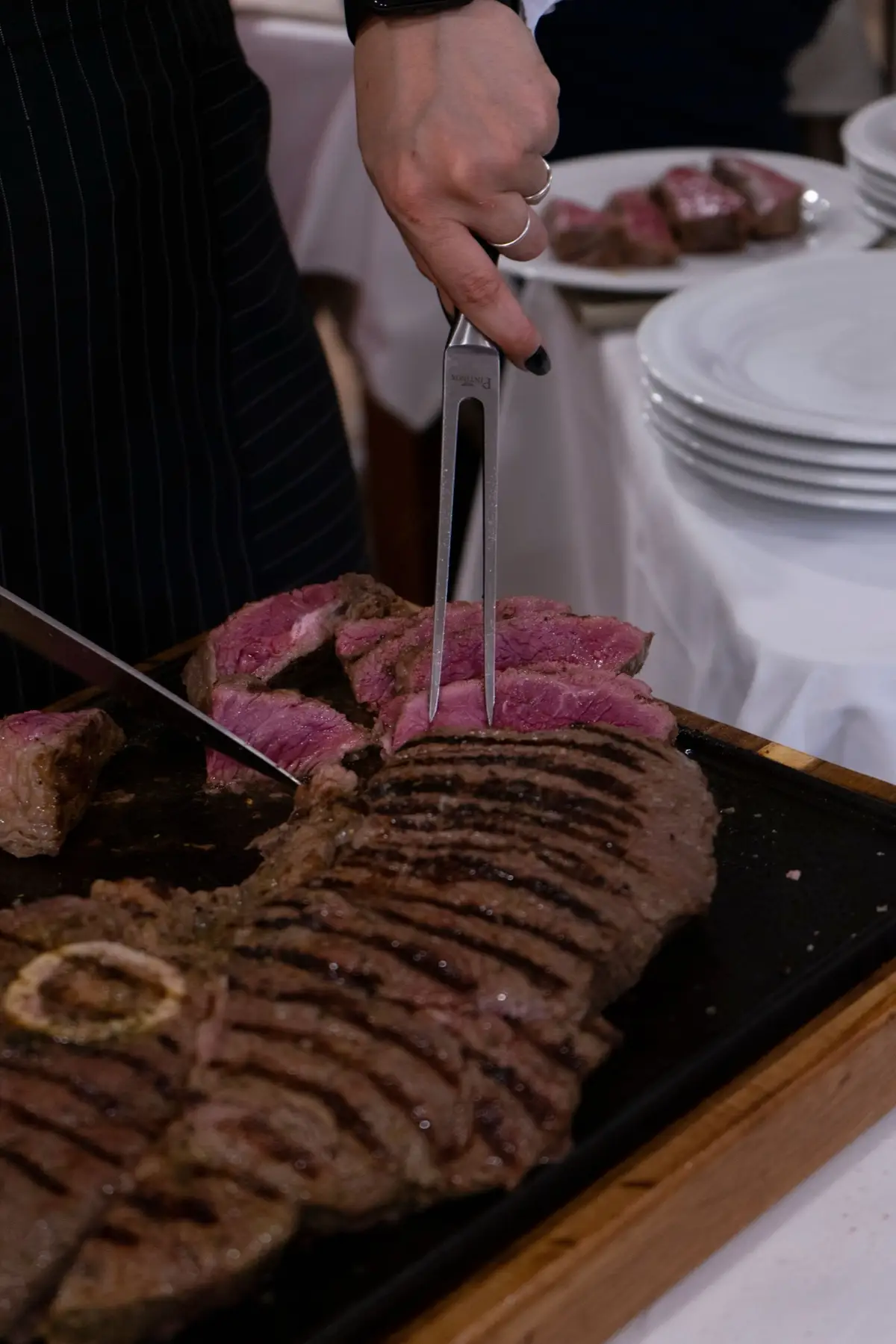
Food station menu
Attended stations where a chef carves, fries or finishes dishes in front of guests. Stations keep people moving around the room and make it easy to…
Explore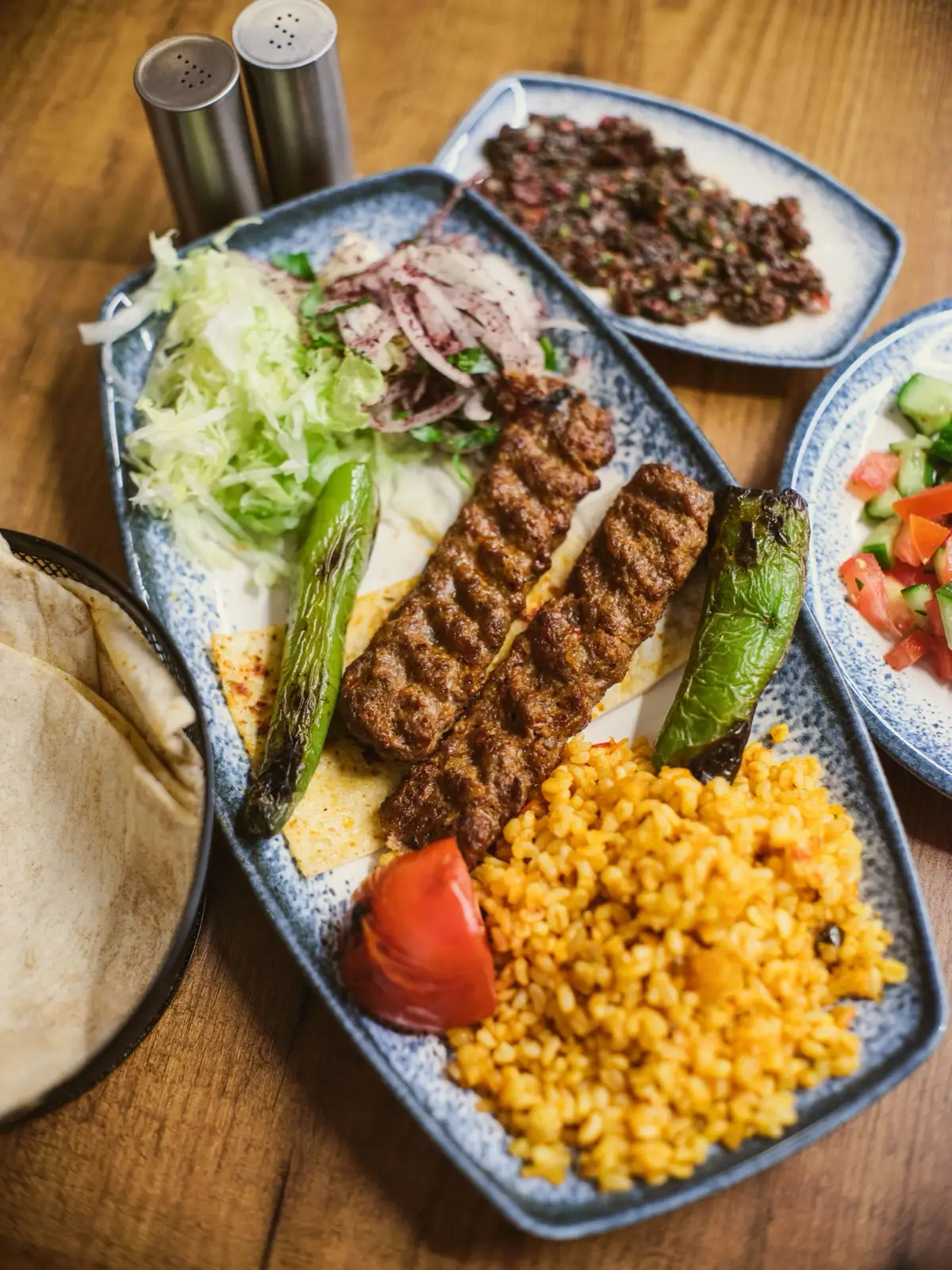
Halal catering in Toronto and the GTA
Halal menus for office lunches, iftars, walimas and family celebrations, with the sourcing and handling for your order confirmed in writing before…
ExploreCatering in Brampton
In Brampton the typical catering question is not "can you feed 40 people" but "can you feed 350 people, three nights in a row, with a fully separate…
Explore