Quantities
How much food per person: catering quantity tables
For a two-hour cocktail reception with no dinner afterwards, plan 8–12 canapés per guest. For a seated dinner, plan about 150–180 g of cooked protein per guest, or a little more on a buffet. Below are the figures planners use for every format, and when to adjust them.
The quick answer
How much food per person depends on three questions: is this event replacing a meal, how long does it last, and how will the food be served? A one-hour welcome before a plated dinner and a three-hour party from 6 to 9 p.m. can use the same canapé menu and need three times the food.
| Event | Plan per guest |
|---|---|
| Cocktail hour before a full dinner | 4–6 canapés |
| 2-hour reception, dinner eaten elsewhere | 8–12 canapés |
| 3–4 hour party that replaces dinner | 12–16 canapés, or 8–10 canapés plus a substantial station |
| Seated dinner, plated | 150–180 g cooked protein, 120–150 g starch, 100 g vegetables, bread, dessert |
| Dinner buffet, two proteins | 200–225 g cooked protein in total, about 10–15% more food overall than plated |
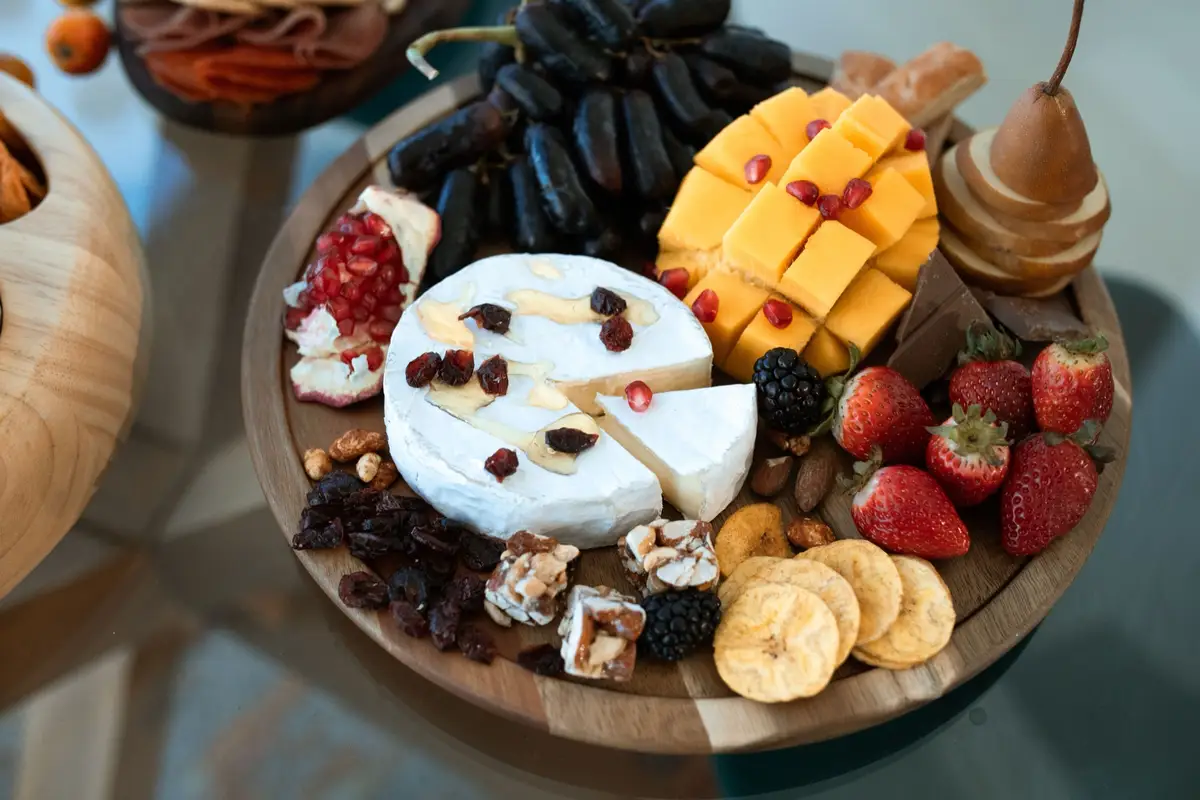
| Grazing table as the main food | About 350–450 g of food in total |
| Dessert table after a meal | 2–3 small pieces |
| Late-night snack at a wedding | One portion for 60–75% of guests |
These are planning figures, not rules. The adjustments section below explains when to go higher or lower.
Canapés and hors d'oeuvres per hour
Guests eat most in the first hour of a reception and slow down after that. The pattern is predictable enough to plan by the hour: about 6–8 pieces in the first hour when people arrive hungry, then 3–4 pieces per hour after that.
| Reception length | No meal follows | Meal follows |
|---|---|---|
| 1 hour | 6–8 pieces | 4–6 pieces |
| 2 hours | 8–12 pieces | 6–8 pieces |
| 3 hours | 12–14 pieces | Rare; add a station instead |
| 4 hours | 14–16 pieces plus a station | Not recommended |
How many different canapés? For under 50 guests, 4–6 varieties; for 50–150 guests, 6–8; above that, 8–10. More varieties than that means each tray runs out before most guests see it. Keep the mix roughly one-third vegetarian or vegan, include at least one gluten-free option, and make the substantial pieces (a slider, a skewer, a mini taco) about a third of the count if the event runs through dinner time.
Passed or stationary? Passed canapés are more controlled; guests take about the planned number. Stationary platters are eaten faster by the first half of the room, so add 10–15% or replenish in stages. Our canapé menu lists pieces by type so you can build the mix, and the cocktail party page covers timing for home and venue parties.
Dinner quantities: protein, sides and bread
For a sit-down dinner, portion weights are set by the plate. For a buffet or family-style dinner, guests serve themselves and take a little of everything, so the total goes up while each item's share goes down.
| Item (cooked weight) | Plated, per guest | Buffet or family-style, per guest |
|---|---|---|
| Single main protein | 150–180 g (about 5–6 oz) | n/a |
| Two proteins offered | n/a | 100–120 g of each, 200–225 g total |
| Vegetarian main (when also offering meat) | Pre-ordered count | Prepare for about 30–40% of guests |
| Starch (rice, potatoes, pasta) | 120–150 g | 150 g |
| Vegetables | 100 g | 100–120 g |
| Green salad | 40–60 g of leaves | 60–80 g of leaves |
| Bread | 1 roll | 1.5 rolls or equivalent |
| Sauces and dips | 30–45 ml | 45–60 ml |
At South Asian and Middle Eastern style buffets, rice and bread quantities go up and salad goes down: plan about 180–200 g of cooked rice and two pieces of naan or pita per guest, because they carry the curries, stews and dips. On a hot buffet, the vegetarian main is often eaten by meat-eaters too, which is why we prepare it for a third of the room or more rather than for the guests who ticked "vegetarian".
Lunches, breakfasts and grazing tables
Office lunch
Boxed lunches are one per person, which is their appeal. For platters, plan 1.5 sandwiches or wraps per guest (three halves), 80–100 g of each salad when there are two, and one sweet. Hot lunch buffets follow the buffet column above.
Breakfast and coffee
Plan 1.5 pastries or bakery items per guest, 100–120 g of cut fruit, and one yogurt parfait for every two or three guests if offered as an extra. Coffee is where morning meetings run short: plan 1.5 cups per guest for the first two hours. A standard 96 oz coffee box pours about twelve 8 oz cups, so a 30-person breakfast needs three boxes of coffee and one of decaf or hot water for tea.
Grazing tables
As a pre-dinner spread, plan about 50–60 g of cheese and 40–50 g of cured meat per guest, with bread, crackers and produce making up the rest. When the grazing table is the main food, roughly double the cheese and meat and add dips, grilled vegetables and something warm. Our grazing table menu is sized this way.
Desserts, late-night food and drinks
- Wedding cake as the only dessert: one slice per guest, cut smaller (about 1 x 2 inches) than a birthday slice.
- Dessert table instead of cake: 3–4 small pieces per guest.
- Dessert table plus cake: 1.5–2 small pieces per guest.
- Late-night food: one portion for 60–75% of the guests present at dinner.
- Water: about 2 servings per guest for a 3-hour event, more in summer and outdoors.
- Soft drinks and juice: about 1 per guest per two hours, plus more if there is no bar.
- After-dinner coffee and tea: about 70% of guests take one.
- Ice: about 1 lb per guest for drinks, doubled for a summer tent.
Alcohol quantities, and the permit rules that come with them, are in our Special Occasion Permit guide.
When to plan more, and when to plan less
Plan more when:
- The event overlaps a normal meal time (11:30–1:30 or 6–8 p.m.) and guests are not eating elsewhere.
- Guests come straight from work or a long ceremony and have not eaten.
- Alcohol is flowing for more than two hours.
- The crowd is young or physically active, such as a sports team banquet or a site crew lunch.
- Food is self-serve on a stationary display.
Plan less when:
- It is hot, especially outdoors; appetites drop in July heat.
- A large meal follows within two hours.
- The program keeps people seated or busy (speeches, a presentation, dancing).
- Many guests are older or children (count children under 10 as roughly half a portion).
Do not pad every item by 20% "to be safe". Food safety sets a hard limit on what can be saved: hot and cold food should not sit outside temperature control for more than two hours, so over-ordering mostly becomes waste. Instead, keep a reserve of the two most popular items in the kitchen, held hot at 60 °C or above or cold at 4 °C or below, and bring it out if the room needs it.
A worked example: 80 guests, 6 to 9 p.m., at home
An 80-guest milestone birthday in a Midtown house, running through dinner time with an open bar. Guests will not eat dinner elsewhere.
- Canapés: 10 pieces per guest = 800 pieces across 8 varieties (100 each), passed through the first two hours. Three of the eight are substantial: lamb kofta skewers, chicken tikka on naan crisps, mushroom and gruyère tartlets. Three are vegetarian, two are vegan, three are gluten-free.
- Station at 7:30: a warm mezze table with falafel, grilled halloumi, roasted vegetables, hummus and pita, planned at about 150 g per guest, because canapés alone would leave people hungry by 9.
- Dessert: 2 small pieces per guest = 160 pieces, plus the birthday cake cut for 80.
- Non-alcoholic drinks: 160 waters and sparkling waters, 60 soft drinks, and coffee for 55.
That comes to about 14 savoury items' worth of food per guest over three hours, in line with the table at the top of this guide. If you want us to run the numbers for your own guest list, send the details through the enquiry form.
Questions
Quick answers
How many appetizers per person for a party?
For a two-hour party without a meal, 8–12 pieces per guest. If dinner follows, 4–6 pieces for a one-hour cocktail hour is enough.
How much meat per person for a buffet?
About 200–225 g of cooked protein in total per guest when two meats are offered, or about 100–120 g of each. Plated dinners use 150–180 g of a single protein.
How many types of canapés should I choose?
4–6 for under 50 guests, 6–8 for 50–150 guests, and 8–10 for larger receptions. Too many varieties means each tray runs out before most guests see it.
How much food should I order for 100 people?
It depends on the format and length. A two-hour reception with no dinner needs 800–1,200 canapé pieces; a buffet dinner needs about 20–22 kg of cooked protein in total plus sides.
Should I order extra food just in case?
A small reserve of popular items held in the kitchen is better than padding everything. Food out of temperature control for over two hours should not be saved, so excess becomes waste.
How many desserts per person for a dessert table?
3–4 small pieces per guest when the table replaces cake, and 1.5–2 pieces when there is also a cake.
Keep planning
Related pages
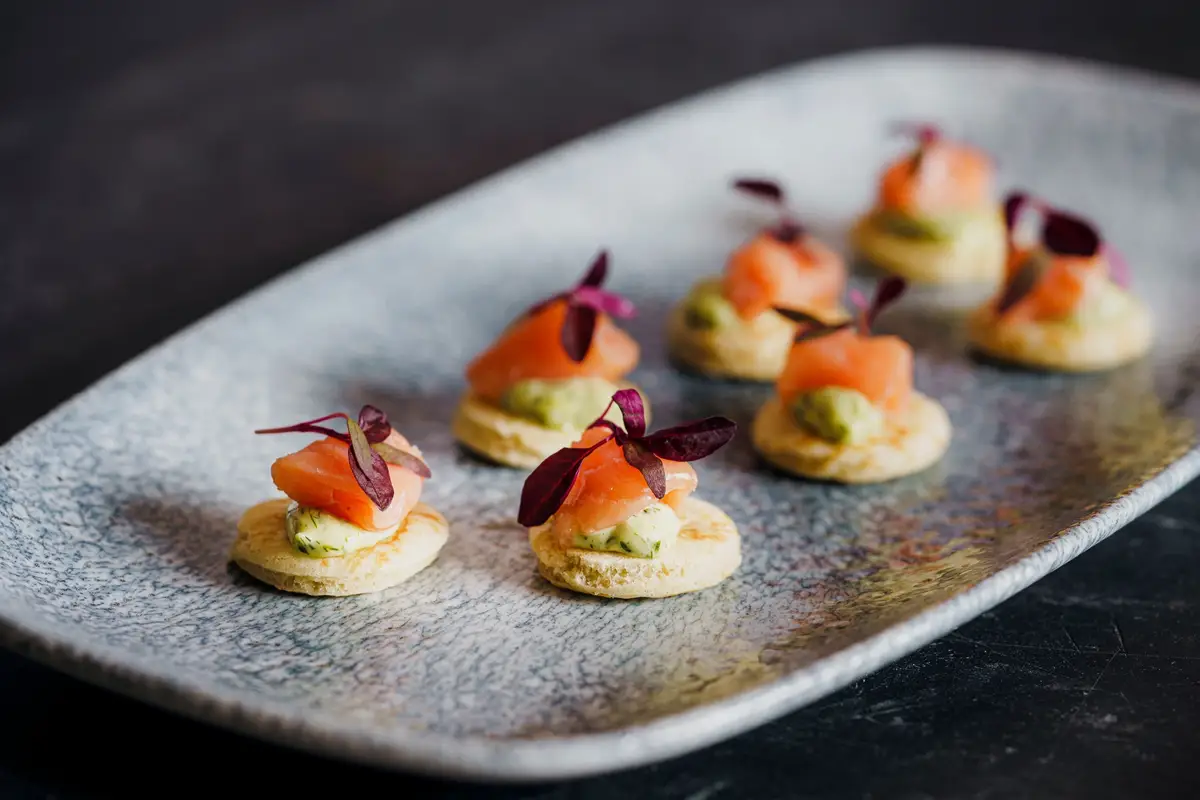
Canapé menu
Two-bite food passed by servers, designed to be eaten standing with a drink in the other hand. Choose six to ten canapés from the lists below and we…
ExploreGrazing table menu
A long table of cheeses, halal-sourced meats, mezze, seasonal produce and breads that guests serve themselves from. Good for open houses, showers and…
Explore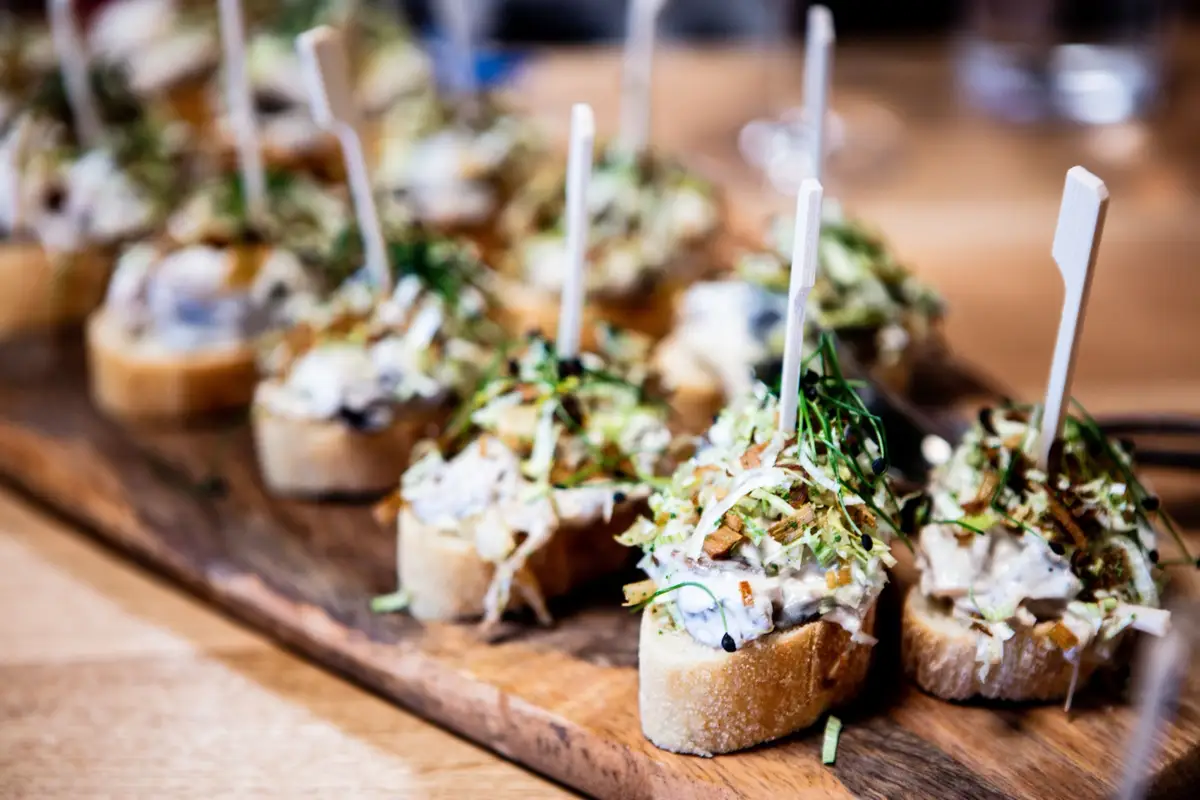
Cocktail party catering
Canapés and small plates for parties of 20 to 100 at home, in a condo party room or a rented space. Below: how much food and drink to plan, what…
Explore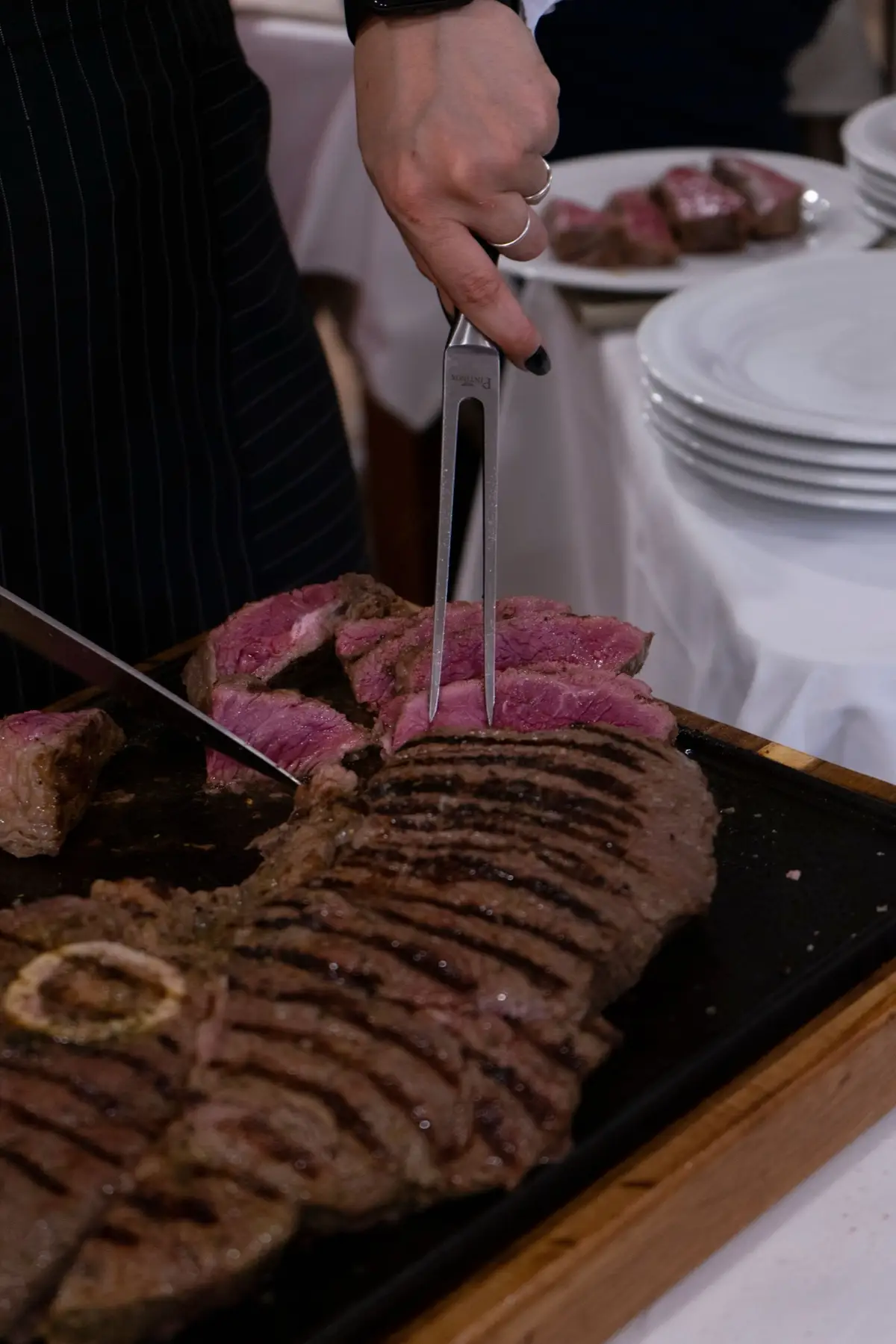
Food station menu
Attended stations where a chef carves, fries or finishes dishes in front of guests. Stations keep people moving around the room and make it easy to…
Explore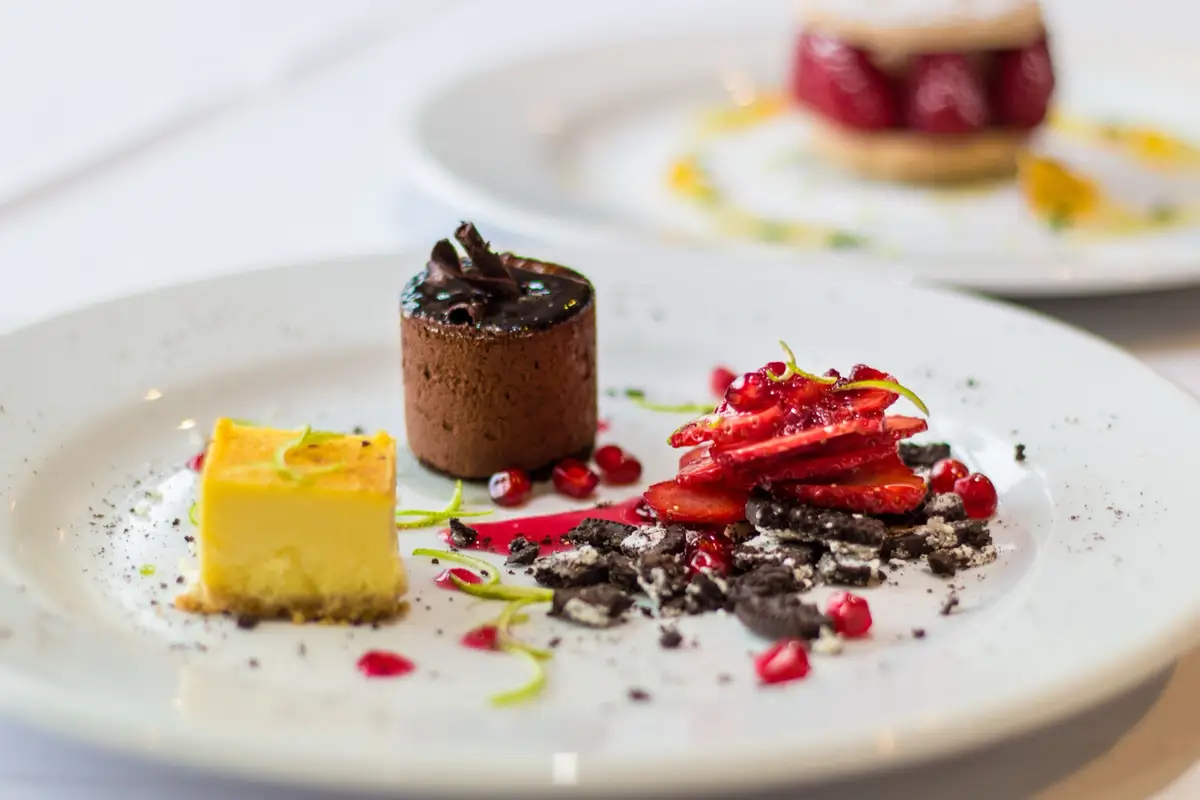
Milestone birthday and anniversary catering
A 60th birthday, a 50th anniversary, a graduation or a retirement party usually puts a toddler, a teenager and a 90-year-old in the same room. We…
Explore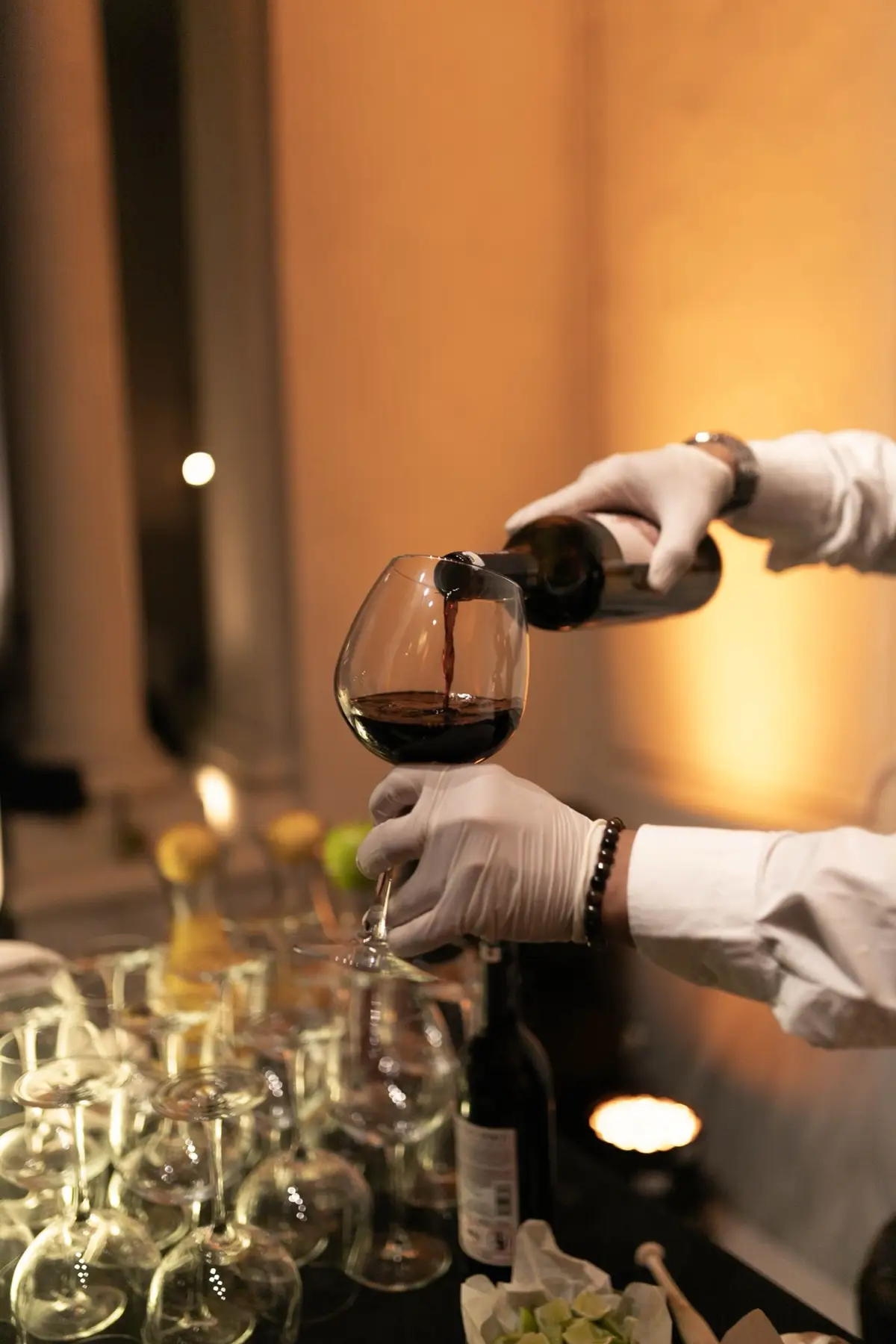
Catering prices
Starting prices per person for every format, plus every fee that can appear on a quote: delivery, staff hours, service charge, rentals and HST. No…
Explore