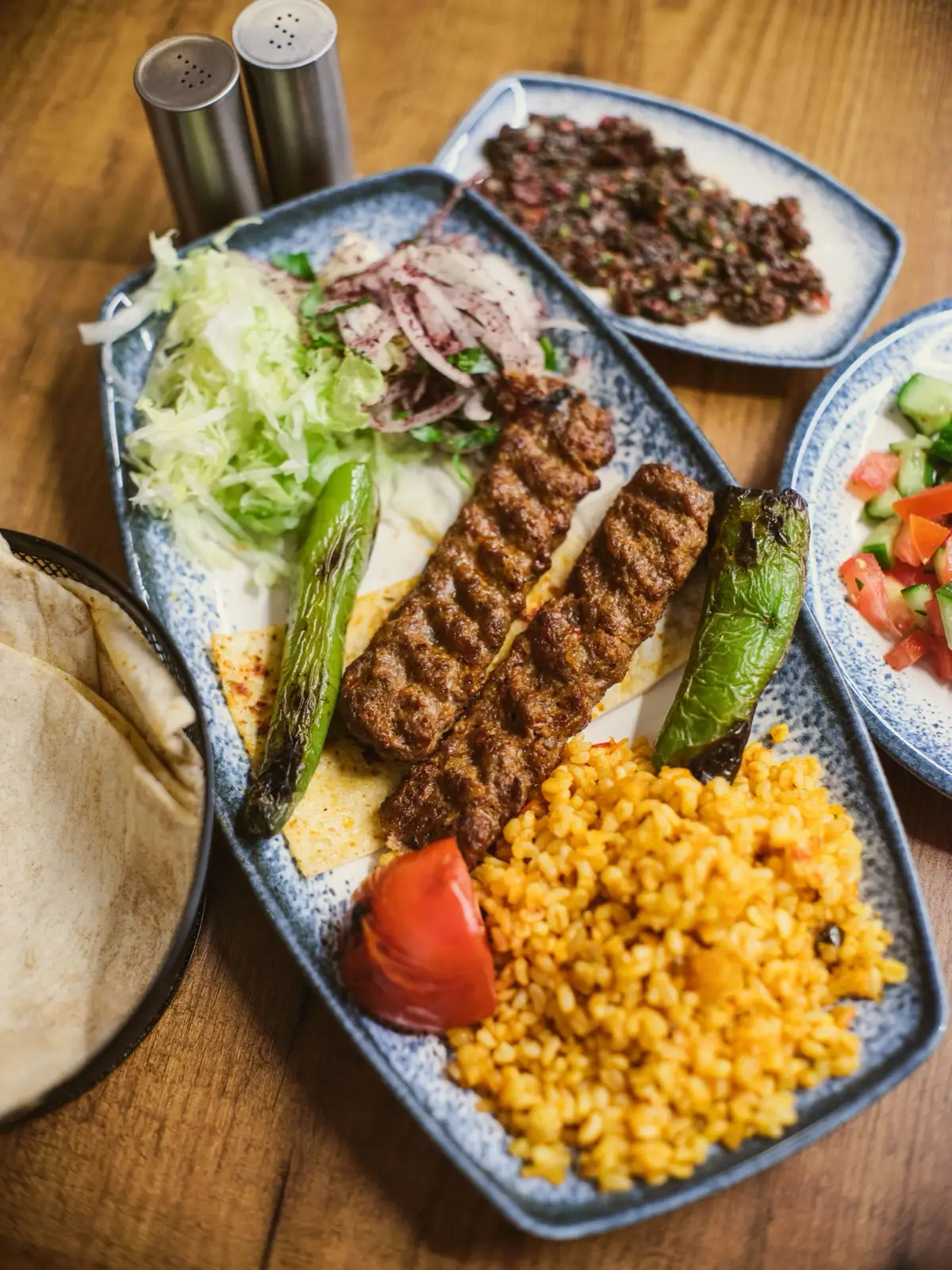
Compare
Halal-certified vs halal-friendly catering
"Halal" on a catering menu can mean an inspected kitchen, certified meat prepared in an ordinary kitchen, or simply no pork and no alcohol. None of these is wrong, but they are not interchangeable, and the right one depends on your guests.
The short answer
A halal-certified caterer has had its kitchen, suppliers and processes inspected by an independent certifying body, and holds a certificate for that premises that you can ask to see. A halal-friendly caterer serves food without pork or alcohol, and may use halal meat, but no certifier is checking the kitchen.
Between the two sits the most common arrangement in the GTA: halal meat from a certified supplier, prepared in a kitchen that is not itself certified. That is how we work. We do not claim kitchen certification, and for every halal order we confirm in writing which supplier the meat comes from and which body certifies that supplier.
Three levels, explained
1. Certified halal kitchen
The certifier reviews the caterer's suppliers and ingredients, inspects the kitchen and storage, and may make unannounced visits or place a supervisor on site. Everything prepared under that certificate follows the certifier's standard. Certificates are issued to a specific business and location and have to be renewed, so a certificate from another branch, or from last year, does not cover your event.
2. Certified halal meat, uncertified kitchen
The meat and poultry come from a supplier certified by a named body, with invoices and supplier certificates to show for it. What happens after delivery, such as storage, cutting boards, fryers and whether non-halal food is cooked in the same kitchen, depends on the caterer's own practice. A careful caterer keeps halal items separate and can explain exactly how; a careless one may not.
3. Halal-friendly
No pork, no alcohol in cooking, sometimes halal meat where it is easy to buy. There is no documentation and no separation standard. Some guests are comfortable with this; many observant guests are not. Seafood and vegetarian dishes are often acceptable to a wider range of guests at this level, which is why some hosts choose a vegetarian or fish menu instead.
| Factor | Certified halal kitchen | Certified meat, uncertified kitchen | Halal-friendly |
|---|---|---|---|
| Who checks it | Independent certifying body | Certifier checks the supplier only | No one outside the caterer |
| Documentation | Certificate for that business and location | Supplier certificates and invoices | None |
| Meat | Certified to the body's standard | Certified to the supplier's certifier's standard | May or may not be halal |
| Kitchen separation | Required and inspected | Caterer's own practice | No standard |
| Zabiha (hand slaughter) | Depends on the certifier | Depends on the supplier | Usually unknown |
| Hidden ingredients | Reviewed by the certifier | Caterer's responsibility | Often not checked |
| Best for | Religious events, communities with a set certifier | Mixed events where guests accept the meat certifier | Guests who avoid pork and alcohol only |
Who certifies halal food in Ontario
Canada has no single government halal standard. The Canadian Food Inspection Agency does not set halal standards or accredit certifiers, but its labelling rules require that a halal claim on a food label or in advertising be accompanied by the name of the person or body that certified it. Several independent bodies certify halal businesses in Ontario, including:
- Halal Monitoring Authority (HMA): based in the GTA and certifying since 2004. HMA is known for a strict zabiha standard, including hand slaughter, and does not certify machine-slaughtered poultry.
- ISNA Canada Halal: the halal certification service of the Islamic Society of North America's Canadian organization, certifying food producers and businesses.
- Islamic Food and Nutrition Council of Canada (IFANCC): based in Mississauga, certifying food products and food businesses.
- Canadian Halal Food Certifying Agency (CHFCA): certifying and auditing food businesses in Canada.
These bodies do not all apply the same standard. They can differ on questions such as machine slaughter of poultry, stunning before slaughter, and which imported products they accept. Different mosques and communities trust different certifiers, so "certified" only answers the question once you know by whom. Each body publishes a list of the businesses it certifies; check the caterer's name and location there.
Zabiha, and why it comes up
Zabiha refers to the method of slaughter: by hand, by a Muslim, with the name of God pronounced over each animal. Some certifiers require hand slaughter for all meat and poultry; others accept certain mechanical methods for poultry. If your guests expect hand-slaughtered chicken, say so at the start. It narrows the list of suppliers, and it can affect price and availability for large orders.
Hidden ingredients that matter at every level
Even with halal meat, a menu can fail on the details. Ask about these whichever level you choose:
- Gelatin in mousse, panna cotta, marshmallows, gummies and some cheesecakes, usually pork- or beef-derived.
- Alcohol in cooking: wine in sauces and braises, mirin, beer batter, liqueur in desserts, and vanilla extract, which is made with alcohol.
- Animal fats and stocks: lard in pastry, chicken or beef stock in rice, soups and sauces.
- Shared equipment: fryers used for non-halal items, shared grills, carving boards and serving utensils.
- Cheese: some observant guests ask about animal rennet.
When the event also serves alcohol or non-halal food
Mixed events are common: a corporate reception with a bar, a wedding where some dishes are not halal. The certification question then extends to service. Halal dishes need their own trays, station and utensils, clear labels, and servers who can answer questions accurately. If alcohol is served, many families prefer it at a separate bar away from the food. For most observant guests, a certified kitchen does not help if the halal tray shares tongs with the pork one at the buffet.
Choose certified if / choose halal-friendly if
Choose a certified halal kitchen if:
- Your guests, mosque or community follow a specific certifier and will ask which one.
- The event is religious in character, such as a walima, aqiqah or community iftar.
- You need documentation for an organization's policy.
- You would rather not assess a caterer's kitchen practices yourself.
Choose certified meat from a named supplier if:
- Your guests accept that certifier's meat standard, and you are satisfied by a written explanation of how the caterer keeps halal food separate.
- You want a wider choice of caterers and cuisines.
Choose halal-friendly if:
- Guests simply avoid pork and alcohol and do not require certified meat.
- The menu is vegetarian or seafood-based, which many guests accept without meat certification.
If you are not sure what your guests expect, ask one or two of them directly. It is a normal question, and the answer settles most of these decisions.
How we handle halal orders
We are not a certified halal kitchen and do not say we are. For halal orders we use halal-sourced meat and poultry, and your proposal names the supplier's certifier, states whether the meat is hand-slaughtered, and explains how halal dishes are prepared, packed and served apart from anything else cooked that day. If your guests need a certified kitchen or a certifier our suppliers do not use, we will tell you before you book. Our halal catering page and halal catering guide have more detail.
Questions
Frequently asked
Is your kitchen halal-certified?
No. We use halal-sourced meat from certified suppliers for halal orders and confirm the certifier, slaughter method and our handling in writing before you book.
What does halal-friendly mean?
Usually that the food contains no pork and no alcohol. It does not mean the meat is certified or that halal food is kept separate from other food.
Which halal certification is accepted in Toronto?
There is no single answer. HMA, ISNA Canada Halal, IFANCC and other bodies certify businesses in Ontario, and different communities trust different certifiers. Ask your guests or their mosque which ones they accept.
How can I check a caterer's halal certificate?
Ask for the certificate and check that it names the same business and location and is current. Then look the business up on the certifier's own list of certified companies.
Is halal-certified meat the same as zabiha?
Not always. Zabiha means hand slaughter by a Muslim with the name of God pronounced. Some certifiers require it for all meat and poultry, while others accept mechanical slaughter for poultry.
Does halal-certified catering cost more?
Often slightly. Certified meat can cost more, and certified kitchens carry certification fees and separation costs. The difference is usually small compared with staffing and format.
Keep planning
Related pages
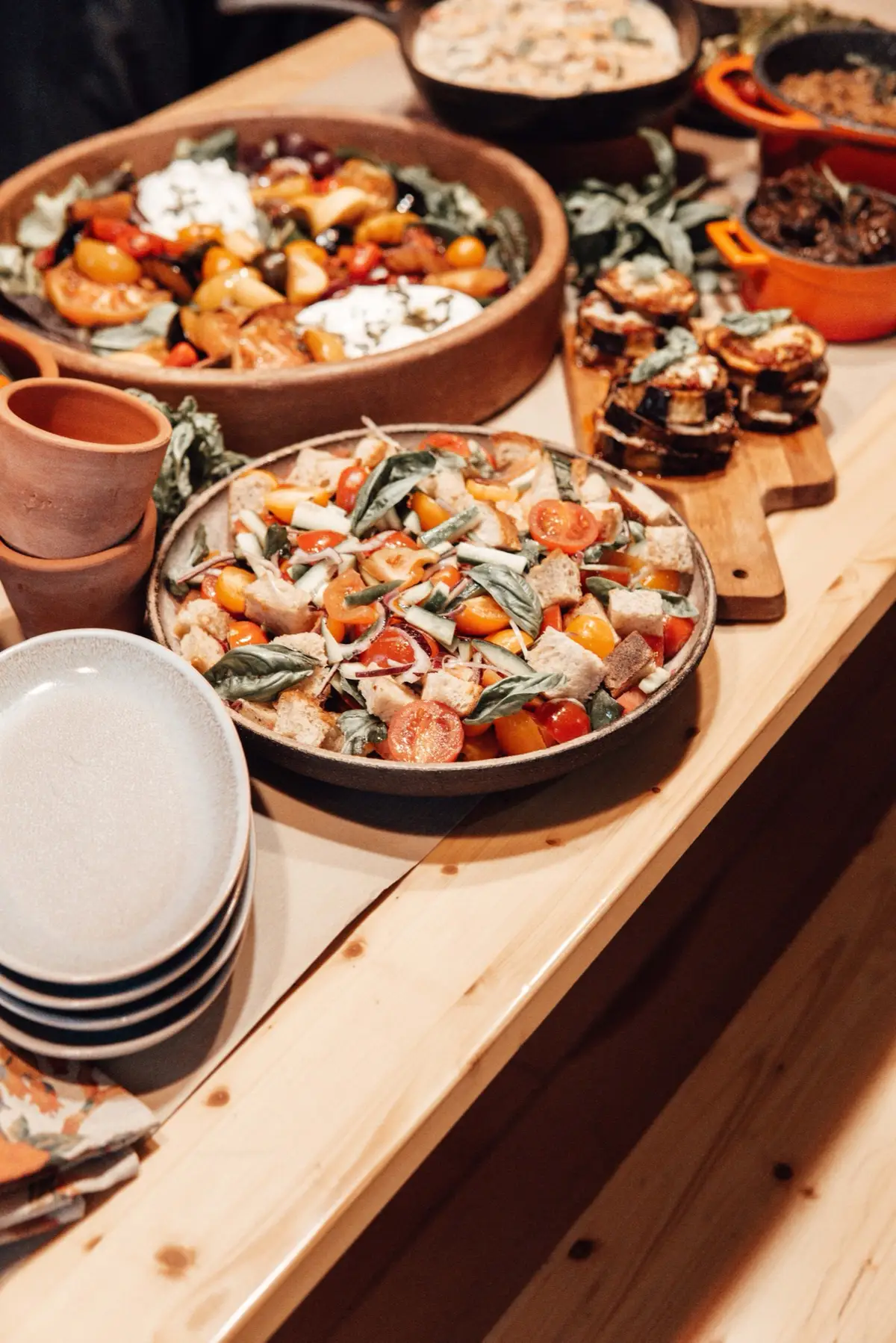
Catering options, compared honestly
Most catering decisions come down to a handful of trade-offs between cost, staff, space, time and how guests eat. These comparisons put the…
ExploreHalal catering in Toronto and the GTA
Halal menus for office lunches, iftars, walimas and family celebrations, with the sourcing and handling for your order confirmed in writing before…
ExploreHalal catering in Toronto: certified, halal-friendly, and what to ask
"Halal" on a caterer's website can mean three different things: a kitchen certified by a halal authority, halal meat from certified suppliers cooked…
Read the guideMiddle Eastern catering, Levantine style
Mezze, grilled skewers, rice dishes and pastries from Lebanon, Syria, Palestine and Jordan, planned for sharing and for guests who expect the dishes…
Explore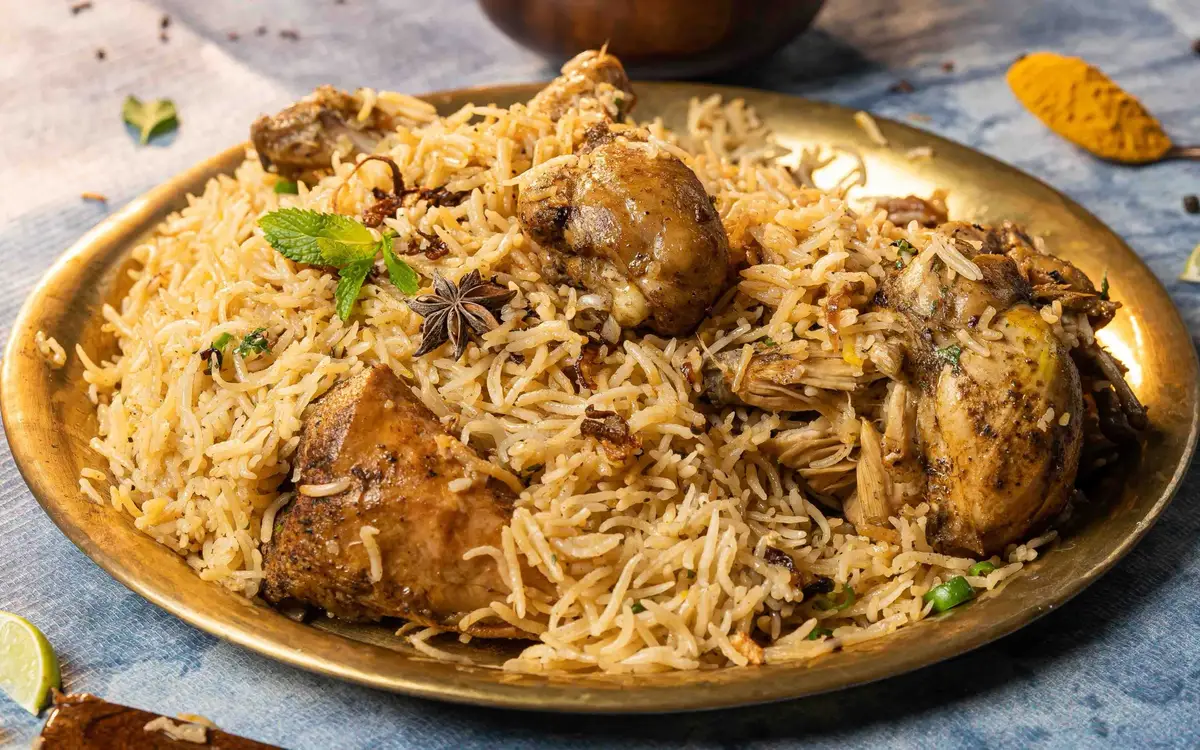
South Asian catering
North and South Indian, Pakistani, Sri Lankan and Bangladeshi dishes, cooked as distinct regional traditions and served with vegetarian and…
Explore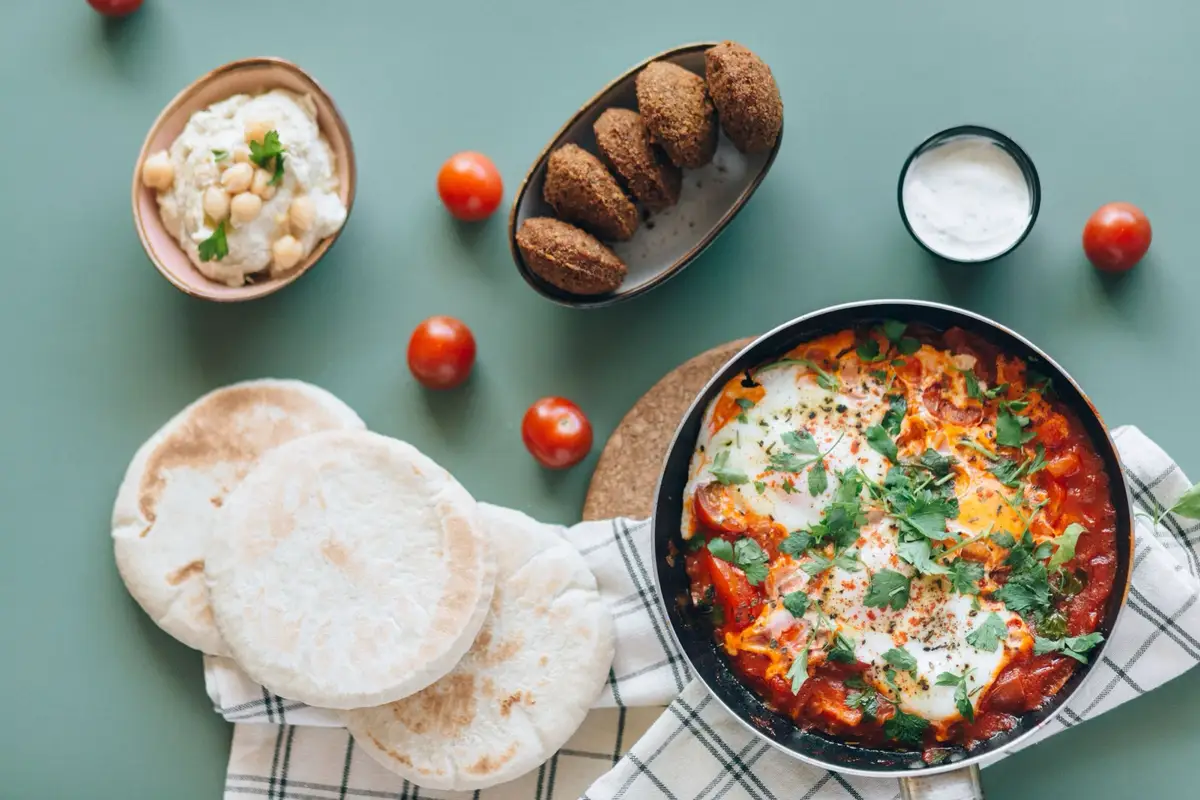
Planning an office iftar in Toronto: timing, menu and inclusion
Ramadan 2027 is expected to begin around February 8 and end around March 9, subject to moon sighting. Sunset in Toronto moves from about 5:40 p.m. to…
Read the guide