Cuisines
Middle Eastern catering, Levantine style
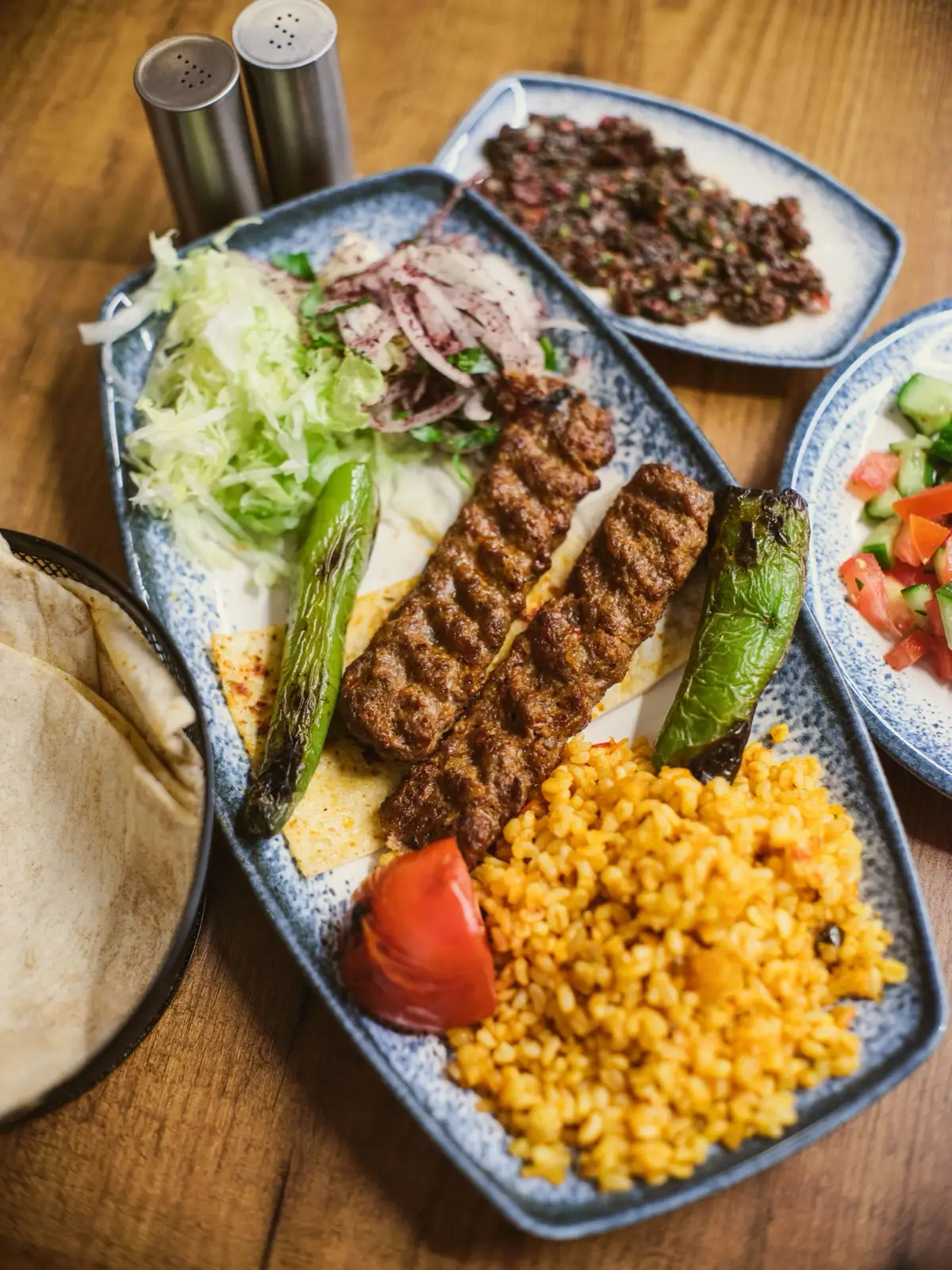
Mezze, grilled skewers, rice dishes and pastries from Lebanon, Syria, Palestine and Jordan, planned for sharing and for guests who expect the dishes to taste the way they do at home.
Our focus is the Levant
"Middle Eastern" can mean food from Morocco to Iran. Our kitchen cooks the Levant: Lebanon, Syria, Palestine and Jordan. These cuisines share a pantry of olive oil, tahini, sumac, za'atar, pomegranate molasses, bulgur and flatbread, but each has dishes and habits of its own, and guests from these communities notice the difference.
- Lebanese: tabbouleh made mostly of parsley with only a little bulgur, fattoush with toasted bread and sumac, kibbeh, shish tawook with toum (garlic sauce), kafta, and man'oushe with za'atar.
- Syrian: muhammara from Aleppo (roasted red pepper, walnuts and pomegranate molasses), kibbeh in many shapes, fatteh with chickpeas, yogurt and toasted bread, and shakriyeh (meat cooked in yogurt).
- Palestinian: musakhan (roast chicken with sumac and onions on taboon bread), maqluba (the rice, vegetable and chicken or lamb dish turned upside down to serve), and knafeh nabulsieh made with white cheese.
- Jordanian: mansaf, lamb cooked in jameed (a fermented dried yogurt) over rice, which is a centrepiece dish for celebrations and also central in many Palestinian homes.
We do not cook Persian, Turkish Anatolian, Iraqi or North African menus as separate cuisines. If your menu depends on those, ask us first.
How the dishes travel and hold
Levantine food is well suited to catering because so much of it is served cold or at room temperature. Hummus, mutabbal (smoky eggplant with tahini), muhammara, labneh, stuffed vine leaves and pickles all travel well and can sit on a mezze table for the length of a reception, within the two-hour limit for food out of temperature control.
A few dishes need handling on site:
- Fattoush is tossed at the last moment, with the toasted bread added just before serving, or it turns soggy within minutes.
- Grilled skewers such as shish tawook and kafta are cooked in the kitchen and finished on a hot grill or in an oven at full-service events. For drop-off, we use thigh meat, which stays moist in hot holding far longer than breast.
- Kibbeh is best fried or reheated close to serving so the shell stays crisp.
- Maqluba is flipped at the table or station, which is part of the occasion. It needs a full-service team; for drop-off we send it already plated in large trays.
- Knafeh should be served warm, with syrup poured on at the last minute.
For carved shawarma at an event, we roast and slice to order at a station rather than bringing a vertical rotisserie, which most venues do not allow.
| Course | Dishes | Diet notes |
|---|---|---|
| Cold mezze | Hummus, mutabbal, muhammara, labneh with za'atar, stuffed vine leaves, pickled turnips | Vegetarian; hummus, mutabbal and vine leaves vegan; contains sesame and walnuts |
| Salads | Tabbouleh; fattoush with sumac and toasted bread | Vegan; both contain gluten (quinoa tabbouleh on request) |
| Hot mezze | Kibbeh; falafel with tahini; batata harra | Kibbeh halal-sourced; falafel and potatoes vegan |
| Mains | Shish tawook with toum; lamb kafta; maqluba with chicken | Halal-sourced; GF except where served with bread |
| Vegetarian main | Mujaddara with crisp onions and yogurt | Vegetarian (vegan without yogurt), GF |
| Dessert | Knafeh nabulsieh; ma'amoul; fresh fruit | Vegetarian; knafeh and ma'amoul contain gluten, ma'amoul may contain nuts |
Service formats that suit it
Mezze grazing tables are the most natural format for a cocktail hour or a relaxed reception: six to ten cold dips and salads, warm bread refreshed often, pickles and olives. See our grazing table menu.
Family-style platters suit weddings, engagements and family dinners. A mezze course on each table followed by platters of grilled meats, rice with toasted nuts and a vegetable dish matches the way these meals are eaten at home.
Stations work for larger crowds: a grill station with skewers and toum, a man'oushe station baking flatbreads to order where power allows, and a knafeh station for dessert.
Canapés and boxed lunches are possible too. Small kibbeh, lamb kafta skewers and mini man'oushe pass well at receptions, and a shish tawook plate with rice, salad and garlic sauce is a dependable office boxed lunch.
Dietary overlaps
- Halal-sourced: Levantine cooking uses no pork and very little alcohol, so a halal menu does not feel like a substitute. For halal events we use halal-sourced meat and confirm the sourcing and certifier of the supplier in writing. We do not claim kitchen certification. See halal catering and our explainer on certified vs halal-friendly.
- Vegan: hummus, mutabbal, tabbouleh, fattoush, mujaddara (lentils and rice with crisp onions), falafel and batata harra are vegan. Many Lebanese and Syrian Christian families observe Lent with vegan food, so this cooking is well developed.
- Gluten-free: bulgur (in tabbouleh and kibbeh), bread and freekeh contain gluten. Quinoa tabbouleh and rice dishes are common substitutes, and we mark dishes carefully. Our kitchen is shared.
- Nuts and sesame: tahini is sesame and appears in many dishes; muhammara and many pastries contain walnuts or pistachios. Sesame is one of Canada's priority allergens, so we label it on every dish.
Seasons and occasions
Ramadan is our busiest period for this menu. Iftars start with dates, water and lentil soup, then move to the main meal, and timing to the minute of sunset matters. We cover this in detail on the halal catering page and in our guide to office iftar catering. Eid celebrations tend to be daytime gatherings with ma'amoul and other sweets.
Christmas and Easter are also important in Lebanese, Syrian and Palestinian Christian communities, and many families want the same dishes for them. Through the Ontario summer, local tomatoes, cucumbers, parsley and eggplant make the mezze table noticeably better; in winter we lean on lentil soups, freekeh and slow-cooked lamb.
Where we cater it
We deliver Levantine menus across Toronto and the GTA, with many events in Mississauga, North York and Scarborough, in offices, homes and community halls.
Questions
Frequently asked
Do you cater Lebanese food in Toronto?
Yes. Lebanese dishes such as tabbouleh, fattoush, kibbeh, shish tawook, toum and man'oushe are central to our Levantine menus, alongside Syrian, Palestinian and Jordanian dishes.
Is your Middle Eastern food halal?
For halal orders we use halal-sourced meat and confirm the supplier's certifier in writing before you book. Our kitchen itself is not halal-certified, and we explain exactly how halal dishes are handled.
Can you make mansaf for a wedding or celebration?
Yes, for full-service events. Mansaf needs to be served hot and assembled at the venue with rice, lamb and the jameed sauce, so it is not available for drop-off.
How much mezze do I need per guest?
For a mezze course before dinner, plan about 150–200 g of dips and salads per guest plus bread. As a grazing table replacing dinner, roughly double that and add hot items.
Do you cater iftar during Ramadan?
Yes. We schedule setup to finish before sunset, serve dates, water and soup first, and time the main meal around prayers. Ramadan dates book quickly.
Is Levantine food suitable for vegan guests?
Very. Hummus, mutabbal, tabbouleh, fattoush, mujaddara and falafel are vegan by tradition, so vegan guests can eat from most of the mezze table.
Keep planning
Related pages
The cuisines we cook
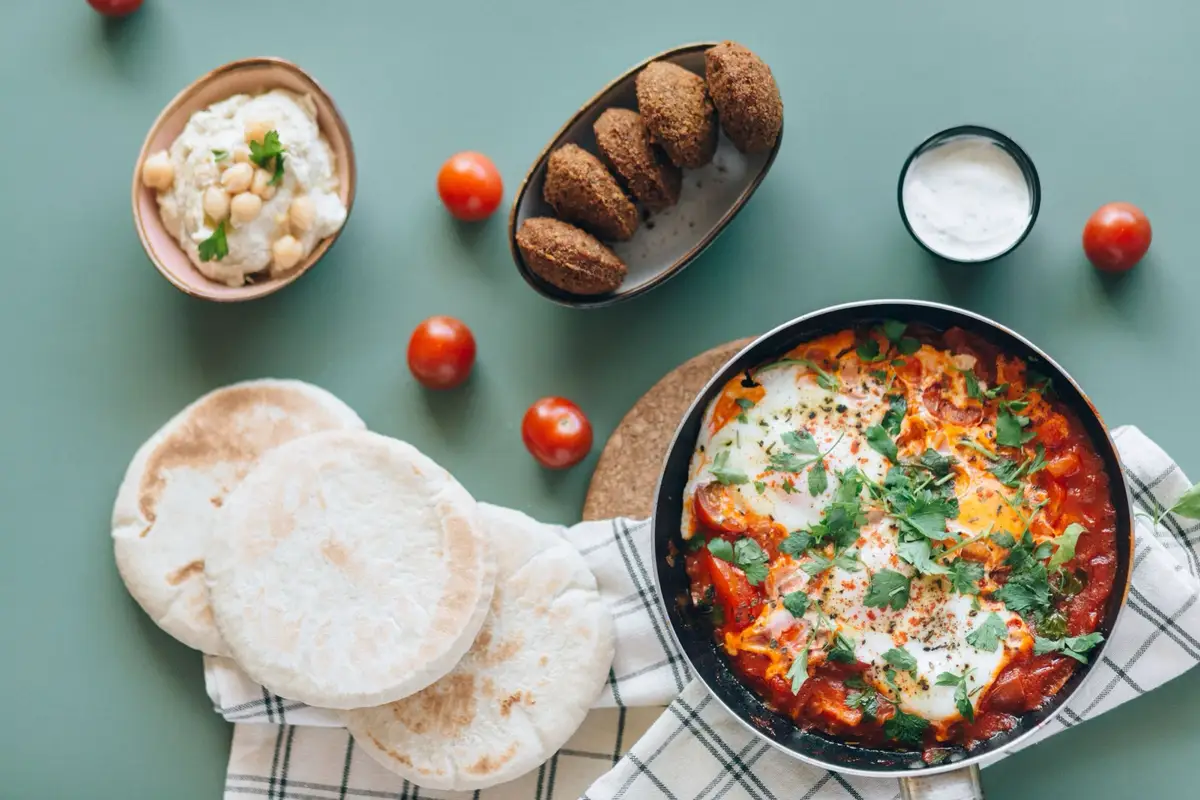
Our kitchen cooks four styles: Mediterranean, Levantine Middle Eastern, South Asian and modern Canadian built on Ontario produce. Cuisine is the…
Explore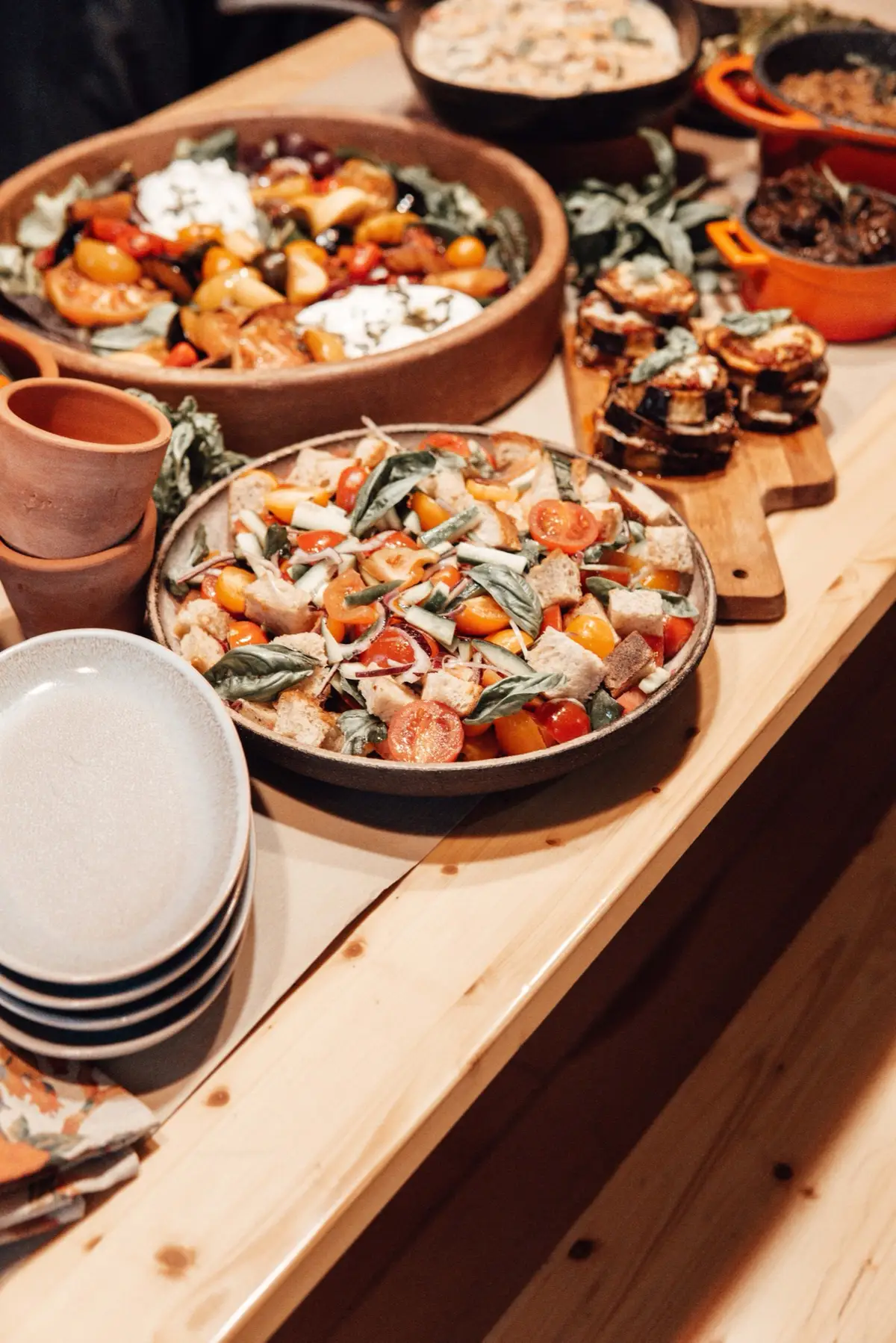
Mediterranean catering
Grilled meat and fish, salads dressed at the last minute, slow-roasted vegetables and good bread, cooked in the Greek, Spanish, southern Italian and…
ExploreHalal catering in Toronto and the GTA
Halal menus for office lunches, iftars, walimas and family celebrations, with the sourcing and handling for your order confirmed in writing before…
ExploreHalal-certified vs halal-friendly catering
"Halal" on a catering menu can mean an inspected kitchen, certified meat prepared in an ordinary kitchen, or simply no pork and no alcohol. None of…
Explore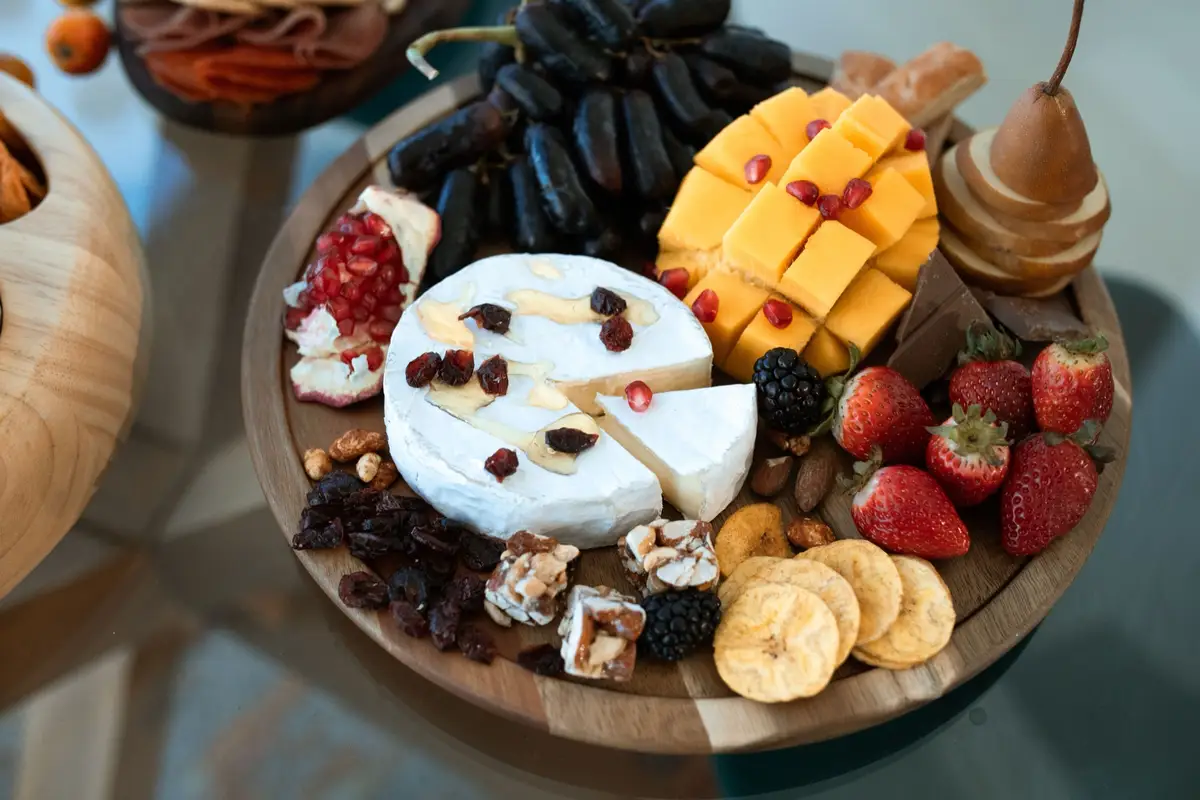
Grazing table menu
A long table of cheeses, halal-sourced meats, mezze, seasonal produce and breads that guests serve themselves from. Good for open houses, showers and…
ExplorePlanning an office iftar in Toronto: timing, menu and inclusion
Ramadan 2027 is expected to begin around February 8 and end around March 9, subject to moon sighting. Sunset in Toronto moves from about 5:40 p.m. to…
Read the guide