Corporate catering
Planning an office iftar in Toronto: timing, menu and inclusion
Ramadan 2027 is expected to begin around February 8 and end around March 9, subject to moon sighting. Sunset in Toronto moves from about 5:40 p.m. to about 6:15 p.m. across the month, so an office iftar lands right at the end of the working day and the food has to be ready to the minute.
Ramadan 2027: dates and sunset times in Toronto
Ramadan follows the Islamic lunar calendar, so it starts about 11 days earlier each year. For 2027, astronomical calendars expect the first day of fasting around Monday, February 8, with Eid al-Fitr around March 9 or 10. The exact start and end depend on moon sighting, and different mosques and communities in the GTA may begin or end a day apart. Treat these as planning dates and confirm with colleagues closer to the time.
The fast is broken at sunset, at the time of the Maghrib prayer. Calculated sunset times for Toronto in 2027 run roughly:
| Date (2027) | Approximate sunset in Toronto |
|---|---|
| Early February (around Feb 8) | About 5:40 p.m. |
| Mid-February | About 5:50 p.m. |
| Late February | About 6:05 p.m. |
| Early March (around Mar 9) | About 6:15 p.m. |
Daylight saving time begins on March 14, 2027, after Ramadan is expected to end, so the whole month should fall on standard time. Iftar times on mosque timetables can differ from a weather app by a few minutes, and neighbourhoods across the GTA differ slightly too. For the day of your event, use the timetable your Muslim colleagues follow, not a generic sunset figure.
Ask before you plan
The most common mistake with workplace iftars is planning one for Muslim colleagues instead of with them. A short conversation with your employee resource group, or two or three colleagues who observe Ramadan, settles most decisions:
- Which evening? Weeknights are usually easiest. Many people spend the last ten nights of Ramadan in extra worship, and some prefer to break the fast at home or at their mosque on particular nights. Colleagues will tell you which nights are best.
- Which halal standard? Communities differ on what they accept. Ask what your guests need rather than assuming.
- Is a prayer space needed? Maghrib prayer follows soon after the fast is broken. A quiet, clean room and access to washrooms for wudu (ablution) make a real difference.
- Who is invited? An iftar open to all colleagues, fasting or not, is a generous way to share the month. Make it clear no one is expected to fast.
- Should anyone speak? A brief welcome explaining Ramadan is often appreciated, but keep it short: people have been fasting all day, and the food comes first.
Halal: what to ask, and what we can and cannot claim
For many fasting guests, whether the meat is halal decides whether they can eat at all. The word "halal" on a catering menu can mean different things, from a kitchen certified by an independent body to meat bought from a certified supplier and prepared in a shared kitchen. Our halal-certified vs halal-friendly comparison explains the difference in detail.
Our kitchen does not hold halal certification. For iftar orders we confirm in writing where each meat and poultry item comes from, which body certifies that supplier, whether it is zabiha if that matters to your guests, and how halal dishes are kept apart from other food. If that does not meet the standard your guests follow, we will say so before you book. Our halal catering page and the halal catering guide list the questions to ask any caterer.
Two practical points often matter as much as the meat: no alcohol served at the iftar, and no alcohol or pork-derived gelatin in sauces, desserts or baked goods. A fully vegetarian iftar menu is also a good option when a group has several different halal standards.
What to serve
An iftar has a natural rhythm. Most people break the fast with dates and water, often following the tradition of the Prophet, then something light, then pray, then eat the main meal. The menu should follow that order.
- At the moment of sunset: dates, water, and drinks such as laban (a yogurt drink), jallab or a fruit juice. Set these on every table, not only on a buffet, so nobody has to queue to break their fast.
- Right after: a warm lentil or vegetable soup, and small bites such as samosas, pakoras, fatayer or sambousek.
- The main meal: one or two proteins (for example chicken shish tawook, lamb or beef kofta, or a chicken biryani), rice, a vegetable dish such as chana masala or mujaddara, and salads like fattoush.
- Dessert and tea: kunafa, basbousa or gulab jamun, fresh fruit, and plenty of tea and coffee. People stay and talk long after the main course.
Your colleagues' backgrounds matter. Muslims in Toronto come from South Asian, Arab, Somali, Turkish, Persian, Indonesian and many other traditions, so a mixed menu is often welcome. See our Middle Eastern and South Asian cuisine pages for dishes we cook.
Timing the food to the minute
Office events usually tolerate food arriving ten minutes late. An iftar does not. People who have fasted since dawn should be able to break the fast at the exact time, and hot food must still be hot when the main meal starts after prayer.
- Drop-off: schedule delivery for 45–60 minutes before sunset, with hot food in insulated carriers or chafing dishes. February traffic and snow in downtown Toronto are real risks at 4:30 p.m., so build in a margin.
- Staffed service: staff arrive about 90 minutes before sunset to set up, with dates and water on tables 15 minutes before the time. Soup goes out at sunset; the buffet opens after the prayer.
- Hot holding: a buffet held for 30–45 minutes during prayer needs proper hot holding at 60°C or above. Rice and cooked meat are exactly the foods that become unsafe when they cool slowly.
Non-fasting colleagues should wait for sunset too. It costs nothing, and it is what makes the event a shared meal rather than a catered dinner with a religious theme.
Quantities and budget
Plan for full dinner portions. Fasting guests usually start slowly, but an iftar is a proper evening meal and guests often return for seconds after prayer. We plan about three dates per guest, one bowl of soup, two to three small savoury bites, and a full main-course buffet. For a mixed group of fasting and non-fasting colleagues, keep the same portions; non-fasting guests who attend usually eat dinner there too.
Office iftars are priced like an evening hot buffet rather than a lunch order, because portions are dinner-sized and the timing is fixed. Staff for evening service are $38 per staff hour, and delivery is $45. A staffed iftar for 60 colleagues usually needs two to three staff for setup, service and clean-up. For a larger community iftar in a hall, the format shifts toward buffet lines on both sides of the table and more staff; see community halls.
Small details that make guests feel welcome
- Seat people before sunset. Nobody should break a fast standing in a line.
- Label every dish with its main ingredients and whether it contains meat, so guests do not have to ask staff about each tray.
- Offer water and tea all evening. After a day without drinking, people want fluids more than anything else.
- Keep the room quiet during prayer. Pause music and speeches, and keep catering staff out of the prayer room.
- Send leftovers home safely. Food kept hot or chilled can be packed for colleagues to take for suhoor, the pre-dawn meal. Food that sat out for more than two hours should be discarded.
After Ramadan: Eid
Many workplaces also mark Eid al-Fitr with a lunch or morning celebration when colleagues return. Eid is a day of celebration after a month of fasting, so it suits a daytime event: a breakfast spread, sweets and chai, or a festive lunch. Because the date depends on the moon, plan Eid events for the week after rather than a fixed date, or keep the date flexible by a day.
For receptions, client events and team gatherings at other times of year, see corporate events and receptions. For iftar orders, tell us the expected date range, the number of guests and your halal requirements, and we will send a written proposal with the halal sourcing confirmed.
Timeline
Sample office iftar, sunset at 5:50 p.m.
 4:20
4:20Questions
Quick answers
When is Ramadan 2027?
Ramadan 2027 is expected to begin around February 8 and end around March 9, with Eid al-Fitr around March 9 or 10. Exact dates depend on moon sighting and may differ by a day between communities.
What time is iftar in Toronto during Ramadan 2027?
Iftar is at sunset, roughly 5:40 p.m. in early February rising to about 6:15 p.m. in early March. Use a local mosque timetable for the exact time on your event day.
What food is served at an iftar?
Dates and water first, then soup and small savoury bites, then a main meal after prayer, followed by sweets and tea. Menus often draw on South Asian, Middle Eastern and other traditions.
Is your kitchen halal certified?
No. We confirm in writing the certified supplier for each meat item and how halal dishes are handled, and we tell you before booking if that does not meet your guests' standard.
Should non-Muslim colleagues attend an office iftar?
An iftar open to everyone is common and welcome. Non-fasting guests usually wait to eat until sunset, as a courtesy to those who have fasted.
How early should we book iftar catering?
Book a few weeks ahead, especially for weekday evenings in the middle of Ramadan, and confirm the exact date once the start of the month is announced.
Keep planning
Related pages
Halal catering in Toronto and the GTA
Halal menus for office lunches, iftars, walimas and family celebrations, with the sourcing and handling for your order confirmed in writing before…
Explore
Corporate event and reception catering
Canapés, food stations and grazing tables with full service for client receptions, product launches, open houses and awards nights across Toronto and…
ExploreHalal-certified vs halal-friendly catering
"Halal" on a catering menu can mean an inspected kitchen, certified meat prepared in an ordinary kitchen, or simply no pork and no alcohol. None of…
ExploreHalal catering in Toronto: certified, halal-friendly, and what to ask
"Halal" on a caterer's website can mean three different things: a kitchen certified by a halal authority, halal meat from certified suppliers cooked…
Read the guideMiddle Eastern catering, Levantine style
Mezze, grilled skewers, rice dishes and pastries from Lebanon, Syria, Palestine and Jordan, planned for sharing and for guests who expect the dishes…
Explore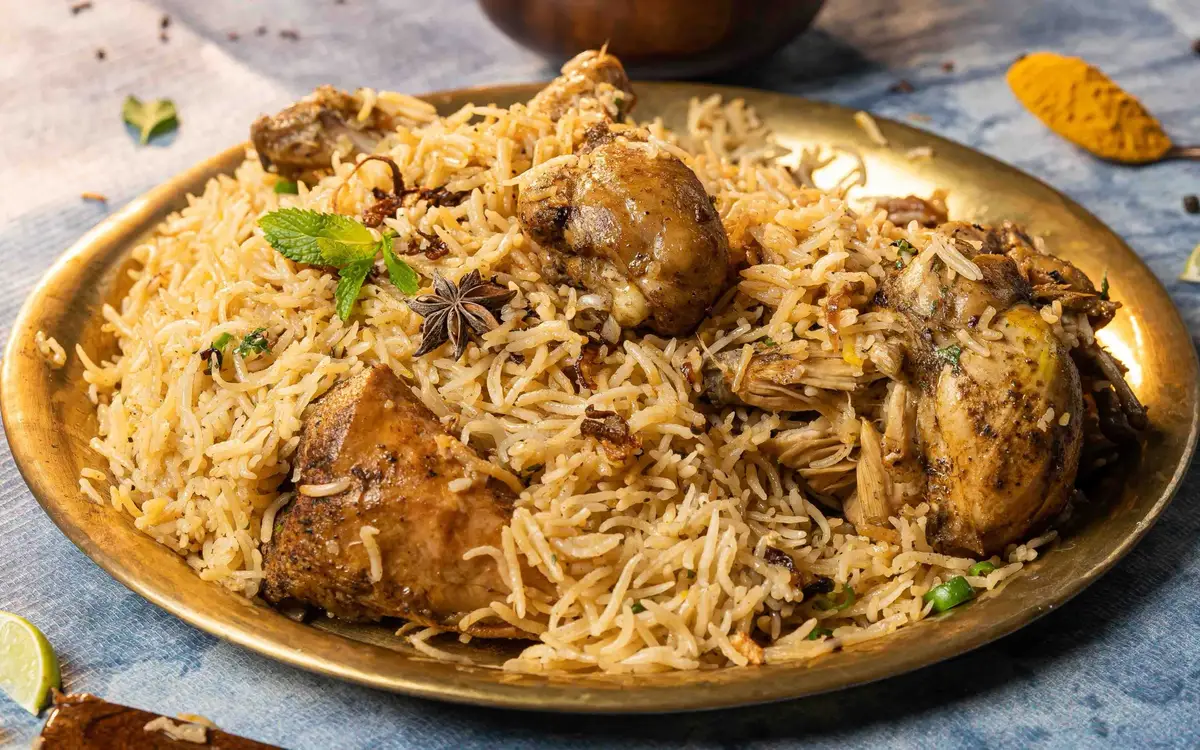
South Asian catering
North and South Indian, Pakistani, Sri Lankan and Bangladeshi dishes, cooked as distinct regional traditions and served with vegetarian and…
Explore