Venues
Venues that allow outside catering in Toronto: how to check, and what it costs
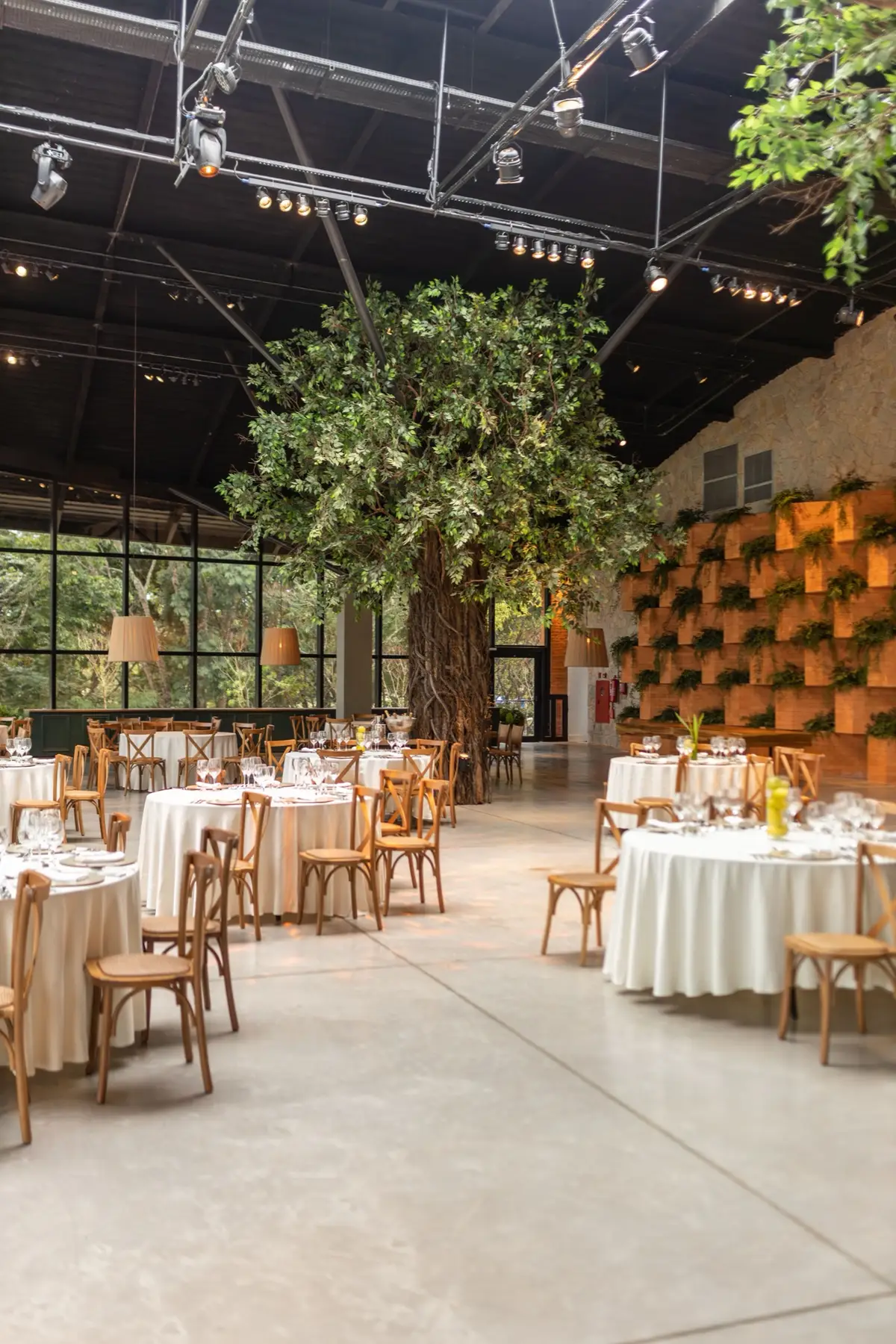
Most hotels, banquet halls and golf clubs in the GTA require their own kitchen or an approved caterer. Lofts, community halls, private homes and many barns usually do not, and galleries often sit in between with a caterer list. The real question is not whether outside catering is allowed but what the venue charges and requires for it, and this guide shows you how to find out before you sign.
Why we don't publish a list of venues
Search for this topic and you will find lists of Toronto venues "that allow outside catering". They go out of date quickly, because venue policies, owners and fees change, and many are written by caterers with commercial relationships they do not disclose. We would rather give you the method: the five catering policies you will meet, the fees attached to each, and the exact questions to send any venue on your shortlist.
If a venue you love turns out to have an exclusive caterer, that is useful to know in the first email, not after the deposit.
The five catering policies, and what each means for you
| Policy | What it means | Typical in the GTA | Your flexibility |
|---|---|---|---|
| In-house catering only | The venue's own kitchen does all food. No outside food, sometimes including cakes. | Hotels, banquet halls, golf and country clubs, many restaurants | Menu choice within their packages only |
| Exclusive external caterer | One outside company holds the contract for the venue. | Some heritage sites, attractions and institutional venues | None on the caterer; negotiate the menu |
| Preferred list, required | You must choose from the venue's approved caterers, often three to eight. | Many galleries, museums and larger event spaces | Choice among the list; others need special approval, if possible at all |
| Preferred list, recommended | The venue suggests caterers but accepts others who meet its requirements. | Lofts, event spaces, some wineries and barns | Full choice, sometimes with an outside-caterer fee |
| Open or "dry hire" | You rent the space and bring every supplier, including rentals. | Industrial and loft spaces, community and cultural halls, private homes, some farms | Full choice; you manage more logistics |
"Preferred" is the word to question. Ask the venue directly: "If our caterer is not on your list, can we use them, and what does that cost?" A venue with a recommended list will say yes with conditions; a venue with a required list will say no.
Preferred lists are not a scam. Caterers on them know the loading dock, the elevator and the power, which lowers risk for the venue. Some venues also receive a commission from listed caterers, which is worth asking about because it can explain the fee charged to caterers who are not listed.
Questions to send every venue before you sign
- Do you allow outside caterers? Is your caterer list required or recommended?
- Is there an outside caterer, buy-out or kitchen use fee? How much?
- Is there a food and beverage minimum?
- What does the kitchen include: ovens, dishwasher, handwashing sink, fridge space?
- How many dedicated electrical circuits are available near the kitchen and service areas?
- Are open flames, chafing fuel or frying allowed?
- Where is the loading area, and are there freight elevator bookings or size limits?
- What are access times for setup and the hard end time for load-out?
- Is the venue licensed for alcohol, or will we need a Special Occasion Permit?
- Is corkage or a cake-cutting fee charged?
- Which venue staff or security are mandatory, and at what hourly rate?
- What insurance does the caterer need to provide, and who is named as additional insured?
- Who removes garbage, recycling and food waste?
- Which rental items does the venue supply: tables, chairs, linens?
The fees that appear when outside catering is allowed
Outside catering rarely means free. These are the fees and conditions to look for in a venue contract:
- Outside caterer or buy-out fee. A flat amount or a per-guest charge for using a caterer not on the list.
- Kitchen use fee. For access to a catering kitchen or warming kitchen, sometimes with a separate cleaning deposit.
- Food and beverage minimum. More common at venues with in-house bars.
- Corkage. A per-bottle charge if the venue is licensed and allows your own wine at all.
- Cake-cutting fee. Some venues charge even when your caterer does the cutting.
- Mandatory venue staff. An on-site manager, security guard or cleaner billed by the hour.
- Garbage and recycling removal. Many dry-hire spaces require everything taken away, including food waste.
- Overtime. Rental end times usually include load-out; going past them is billed.
- Damage deposit. Returned after inspection, often a week or two later.
Ask for every one of these in writing before comparing a dry-hire venue against a venue with an in-house package. A space that looks $3,000 cheaper can cost more once rentals, a field kitchen and venue staff are added.
Comparing an all-in venue with a space plus caterer
Here is the kind of comparison worth doing for a 100-guest evening. The figures are illustrative, to show which lines to compare, not typical prices for any venue.
| Line | Banquet venue, in-house package | Loft, outside caterer |
|---|---|---|
| Room rental | Included with food minimum | $4,500 |
| Food and service staff | $11,000 package | $9,500 caterer quote |
| Tables, chairs, linen, china, glassware | Included | $2,800 rentals |
| Kitchen equipment and power | Included | $900 field kitchen rentals |
| Venue staff and security | Included | $450 |
| Outside caterer fee | n/a | $0 (open venue) |
| Bar | Venue licence, per-drink or package | Special Occasion Permit, your alcohol, bar staff |
| Total before bar and tax | $11,000 | $18,150 |
In this example the loft costs more, and for many couples and companies it is still the right choice because of the space, the food or the freedom. The point is to compare like for like. Ask any caterer quoting a dry-hire space to include rentals and equipment in the estimate; our full-service catering page explains what a complete quote covers.
What "we have a kitchen" actually means
Venue listings use "kitchen" for three very different rooms:
- Commercial catering kitchen: ovens, a commercial dishwasher, a three-compartment sink, handwashing sink, fridges and prep tables. A caterer can cook here.
- Warming or finishing kitchen: counters, a fridge, a sink and a few outlets, maybe a residential oven. Food arrives cooked and is reheated and plated. This is common in lofts and galleries.
- Kitchenette or none: a bar sink and a fridge. The caterer brings everything, including a portable handwashing station and power-hungry equipment that the building may not support.
Ask for photos of the kitchen and the electrical panel, and ask how many dedicated circuits are available near it. Heritage buildings in areas like King West, Liberty Village and the Distillery District often have lovely rooms and limited power, and a single tripped breaker in the middle of a plated service is a very long five minutes. Our venue guides cover each type of space in detail.
Rules that shape the menu
Some venue rules decide what food is possible before you choose a single dish:
- No open flame, which can rule out chafing fuel. Common in galleries, museums and heritage interiors; the caterer switches to electric or induction warmers, which need power.
- No frying or smoke-producing cooking inside, because of sensitive smoke detectors or ventilation.
- Restricted food areas, such as no red wine or dark sauces near artwork or pale floors.
- Load-in windows, which may be as short as one hour and limit how much can be set up in advance.
- Freight elevator bookings, sometimes shared with other tenants and closed at certain hours.
- Noise and end times, which affect when late-night food is served and when clearing must start.
Canapés, cold-starter plated menus and dishes that finish in an oven handle these restrictions well. Our wedding catering team plans menus around them from the first site visit.
When to ask each question
Venue searches go faster when the catering questions are asked in the right order:
- First email: is outside catering allowed, is the list required or recommended, and what are the fees? This alone removes half a shortlist.
- Site visit: bring or send your caterer if possible. Look at the kitchen, the electrical panel, the loading door, the elevator and where a service area or field kitchen could go. Photograph everything.
- Before signing: get access times, end times, the insurance requirements and every fee written into the contract, not in a brochure.
- After signing: share the contract's catering and alcohol clauses with your caterer, and book the freight elevator and load-in slot as early as the venue allows.
A caterer who has not worked in a space before should still ask for a walkthrough before the final menu is set. It is the single best way to avoid surprises on the day.
Insurance and paperwork venues ask for
Venues that accept outside caterers almost always ask for a certificate of insurance showing commercial general liability coverage, often naming the venue as an additional insured. Limits of $2 million or $5 million are commonly requested. Some also ask for proof of food handler certification, the caterer's health unit inspection status, and WSIB clearance for staff. If alcohol is involved, they will want to see the Special Occasion Permit or the caterer's liquor licence; our SOP guide explains which applies.
Send the venue's requirements to your caterer as soon as the venue is booked. Certificates take a few days to issue, and some venues will not release the load-in schedule until they have them.
Questions
Quick answers
Can I bring my own caterer to a banquet hall in Toronto?
Most GTA banquet halls, hotels and golf clubs require in-house catering. Some cultural and community halls do allow outside caterers, usually with a kitchen fee.
What is a preferred caterer list?
A list of caterers the venue has approved. Some venues require you to choose from it; others only recommend it and accept other caterers who meet their insurance and kitchen rules.
What is a buy-out fee for outside catering?
A flat or per-guest fee a venue charges when you use a caterer that is not on its list, to cover its extra oversight or lost commission.
Is it cheaper to use a venue that allows outside catering?
Not always. Dry-hire spaces often need rentals, a field kitchen, venue staff and a Special Occasion Permit. Compare the full totals, not the room fee.
What does a caterer need from the venue?
Access times, loading and elevator details, kitchen equipment, available electrical circuits, rules on open flame, insurance requirements and waste removal arrangements.
Which types of Toronto venues usually allow outside caterers?
Lofts and industrial event spaces, many community and cultural halls, private homes and backyards, offices, and some barns and farms. Galleries and museums often use a required caterer list.
Keep planning
Related pages
Catering at Toronto and GTA venues
Most venue problems are logistics problems: no kitchen, a 30-minute load-in window, one freight elevator, a fee nobody mentioned. These guides…
Explore
Wedding catering in Toronto and the GTA
Full-service wedding catering from our kitchen: canapé receptions, long-table dinners for small weddings, and tented backyard celebrations. You get a…
Explore
Full-service catering
Our team runs the food side of your event from load-in to the last tray out: chefs finishing food on site, servers, an event lead, setup, service and…
ExploreCatering lofts and industrial spaces
Brick, timber and big windows, and almost never a commercial kitchen. Here is how a loft event actually gets fed, from the freight elevator to the…
Explore
Catering galleries and museums
In a gallery the art sets the rules. Menus are built around one-bite food, careful staff and a load-in that happens after the public leaves.
Explore
Catering cultural and community halls
Community halls host the GTA's biggest family events: 200-guest anniversaries, Eid dinners, Diwali parties, memorials and fundraisers. They usually…
Explore