Wedding budgets
Wedding catering cost in Toronto: what $60, $100 and $150 per guest buys
EventSource puts most Toronto and GTA weddings at $50–$100 per guest for catering, with a full range of $30–$150. What matters more is what sits inside that number and what sits outside it, so here are three real-world budget levels and the lines couples most often miss.
Published ranges for Toronto and the GTA
Wedding catering in Toronto is quoted per guest, and the style of service moves the number more than the menu does. EventSource, a Canadian event marketplace, published these ranges for the Toronto area in May 2025:
| Style | Typical range per guest |
|---|---|
| Overall wedding catering | $30–$150 (most weddings $50–$100) |
| Cocktail-style reception | $40–$90 |
| Buffet | $50–$100 |
| Food stations | $60–$120 |
| Plated dinner | $80–$150 and up |
| Bar service | $15–$50 |
| Service charge or gratuity | 15–20% |
Read these as menu budgets. Published ranges are normally before 13% HST and often before rentals, staffing and service charge, which together can add 50% or more to the menu price. Our own starting prices are on the pricing page: wedding buffet from $68 per person, family-style from $78, stations from $72 and plated from $92.
Around $60 per guest: a generous buffet done properly
At about $60 per guest for food, a Toronto wedding is usually a buffet or a simple family-style dinner at a venue that already has a kitchen, tables and chairs, such as a community hall, a golf club that allows outside catering or a restaurant buy-out.
A realistic menu at this level: a mezze-style welcome board on guest tables (hummus, muhammara, marinated olives, warm pita), a green salad and a grain salad, lemon-garlic roasted chicken, a braised vegetarian main such as chickpea and eggplant tagine, roasted potatoes, seasonal vegetables, and the wedding cake served as dessert. Coffee and tea at the end.
Staffing: a buffet runs well with about one server per 20–25 guests plus a captain, and two cooks who keep the line full. For 120 guests that is roughly five servers, a captain and two kitchen staff.
What gets squeezed: there is little room for passed canapés, a late-night snack or upgraded rentals. If the venue does not supply china, budget for rentals separately or accept premium disposables. See buffet vs plated for how the two styles compare on timing and floor space.
Around $100 per guest: cocktail hour, stations or family-style
At about $100 per guest the wedding starts to feel hosted rather than fed. This is where most GTA couples land, and it buys two things the $60 level cannot: a real cocktail hour and a more interactive dinner.
A realistic menu: four passed canapés during the cocktail hour (about five pieces per guest, for example beet-cured trout on rye, chicken shawarma bites, spiced paneer skewers and a vegan mushroom tart), then dinner as three attended stations: a carving station with herb-crusted striploin, a South Asian station with butter chicken, dal makhani, jeera rice and naan, and a Mediterranean station with grilled halloumi, roasted vegetables and tabbouleh. Dessert is the cake plus a small sweet table.
Staffing: attended stations need a cook or server at each one, plus servers clearing plates and a captain, so plan on one staff member per 12–15 guests. Family-style, where platters go to each table, needs a similar ratio because every table is served at once.
Rentals: station equipment (induction burners, carving lamps, risers) and china for two plates per guest. Our wedding catering page explains how we plan stations for GTA venues.
Around $150 per guest: plated service with everything around it
At about $150 per guest a wedding can have a plated dinner with the full evening built around it: canapés, a starter, a choice of mains collected with RSVPs, dessert, and late-night food.
A realistic menu: six passed canapés during a 75-minute cocktail hour; a burrata and heirloom tomato starter in late summer (or a roasted squash soup in October); a choice of braised short rib, pan-roasted salmon or a wild mushroom risotto; a plated dessert; and a late-night station of mini shawarma wraps or poutine around 10:30.
Staffing: plated service needs about one server per 10–12 guests, a captain, a bartender per 60–75 guests if the caterer runs the bar, and a kitchen team large enough to plate 120 mains in under 15 minutes. That is often 15–18 people for 120 guests.
Rentals: three to five pieces of china per guest, full glassware, chargers, and a field kitchen if the venue has no kitchen. The staffing side is explained in our guide to servers per guest.
A worked example: 120 guests, stations dinner
Here is how a menu price turns into a total. The figures are illustrative round numbers for a Saturday wedding at a GTA venue with a kitchen, not a quote.
| Line | Calculation | Amount |
|---|---|---|
| Dinner stations | 120 × $55 | $6,600.00 |
| Passed canapés, cocktail hour | 120 × $12 | $1,440.00 |
| Late-night snack | 90 portions × $10 | $900.00 |
| Coffee and tea service | 120 × $4 | $480.00 |
| Vendor meals (photographer, DJ, planner) | 6 × $35 | $210.00 |
| Staff: captain, 6 servers, 3 chefs | 10 × 7 hours × $40 | $2,800.00 |
| Service charge | 18% of food | $1,733.40 |
| Rentals: china, cutlery, glassware, linen | About $15 per guest | $1,800.00 |
| Delivery and equipment | Round trip | $150.00 |
| Subtotal | $16,113.40 | |
| HST 13% | $2,094.74 | |
| Total before bar | $151.73 per guest | $18,208.14 |
A $55 stations menu became roughly $152 per guest, and the bar is not in it yet. That is not padding; it is what a staffed evening of seven hours costs. When you compare quotes, compare this bottom line.
The line items couples forget
- Vendor meals. Photographers, videographers, DJs and planners working a full day need dinner. Ask for a vendor meal price rather than counting them as guests.
- Children's meals. Often half price or a separate simple menu; count them separately.
- Cake cutting or plating fee. Some caterers charge per guest to cut and plate a cake from an outside bakery.
- Venue kitchen fee. Some venues that allow outside caterers charge for kitchen access or cleaning. See venues that allow outside catering.
- Field kitchen. A loft, barn or backyard with no kitchen needs rented ovens, a prep tent, power and handwashing, which can run into the thousands.
- Overtime. Speeches that run 45 minutes long push staff past their booked hours.
- Bar costs. Alcohol, bartenders, ice, mixers, glassware, and a Special Occasion Permit where one is needed ($50 per day for a no-sale private event, per the AGCO). Our SOP guide covers the rules.
- Late-night food. Usually ordered for 60–75% of guests, because not everyone is still there at 10:30.
- Garbage and recycling removal at venues that require the caterer to take waste away.
- Travel for venues outside the GTA, including staff drive time.
- HST on everything in the subtotal.
How to read a wedding catering proposal
A proposal a year out is an estimate built on a guest count you do not know yet. Three details decide how close the final invoice lands to it.
Price validity. Food costs move, and beef in particular has swung sharply in recent years. Ask whether the per-guest price is held from signing or confirmed a set number of months before the date, and what happens if a key ingredient changes in price.
Minimums. Many proposals set a minimum guest count or a minimum food spend for a Saturday in peak season. If your list shrinks below it, you pay the minimum anyway.
What is estimated versus fixed. Staff hours, rentals and late-night portions are often estimates in the first draft. Ask which lines will change when the timeline and floor plan are final, and ask for the revised version at least a month before the wedding so there is time to adjust.
How to spend less without the dinner feeling smaller
- Trim the guest list first. Every guest carries the full per-person cost plus rentals and a share of staff.
- Choose a Friday or Sunday, or a date between November and April. Peak Saturdays from June to September book first and leave the least room to negotiate.
- Pick a venue with a kitchen and tables. It removes field-kitchen and furniture rentals.
- Go family-style or cocktail-style instead of plated, if the room and the schedule suit it.
- Use fewer, better proteins. One premium main and one excellent vegetarian main beats three average ones.
- Keep the cocktail hour to 60 minutes. Four to six canapé pieces per guest is enough before a full dinner.
- Serve the cake as dessert rather than adding a separate plated dessert.
When you are ready, send your date, venue and guest count through the enquiry form. We reply with a sample menu and an itemised estimate that shows every line above, so the number you plan with is the number you pay.
Questions
Quick answers
What is the average cost of wedding catering per person in Toronto?
EventSource reports $30–$150 per guest, with most Toronto and GTA weddings between $50 and $100. That figure is usually before HST, and often before rentals and service charge.
Is a buffet cheaper than a plated wedding dinner?
Usually, because a buffet needs about half as many servers. The food cost can be similar or even higher, since buffets need more volume so the last table still has choice.
Do I need to feed my wedding vendors?
It is standard for vendors working through dinner, such as photographers, videographers, DJs and planners. Most caterers offer a lower vendor meal price.
When do I give the caterer my final guest count?
Commonly 10–14 days before the wedding. After that date you are usually charged for the confirmed number even if fewer guests attend.
How far ahead should I book a wedding caterer in Toronto?
For a peak-season Saturday, 9–12 months. We ask for 6 months notice where possible. Our booking lead time guide covers other dates.
Is bar service included in the catering price?
Rarely. Alcohol, bartenders, glassware and permits are budgeted separately; EventSource puts bar service at $15–$50 per guest.
Keep planning
Related pages
Catering prices
Starting prices per person for every format, plus every fee that can appear on a quote: delivery, staff hours, service charge, rentals and HST. No…
ExploreWedding catering in Toronto and the GTA
Full-service wedding catering from our kitchen: canapé receptions, long-table dinners for small weddings, and tented backyard celebrations. You get a…
Explore
Buffet vs plated: which service suits your event?
A plated dinner costs more mainly because of staff and preparation, not ingredients. A buffet gives guests choice and quantity but asks for more…
Explore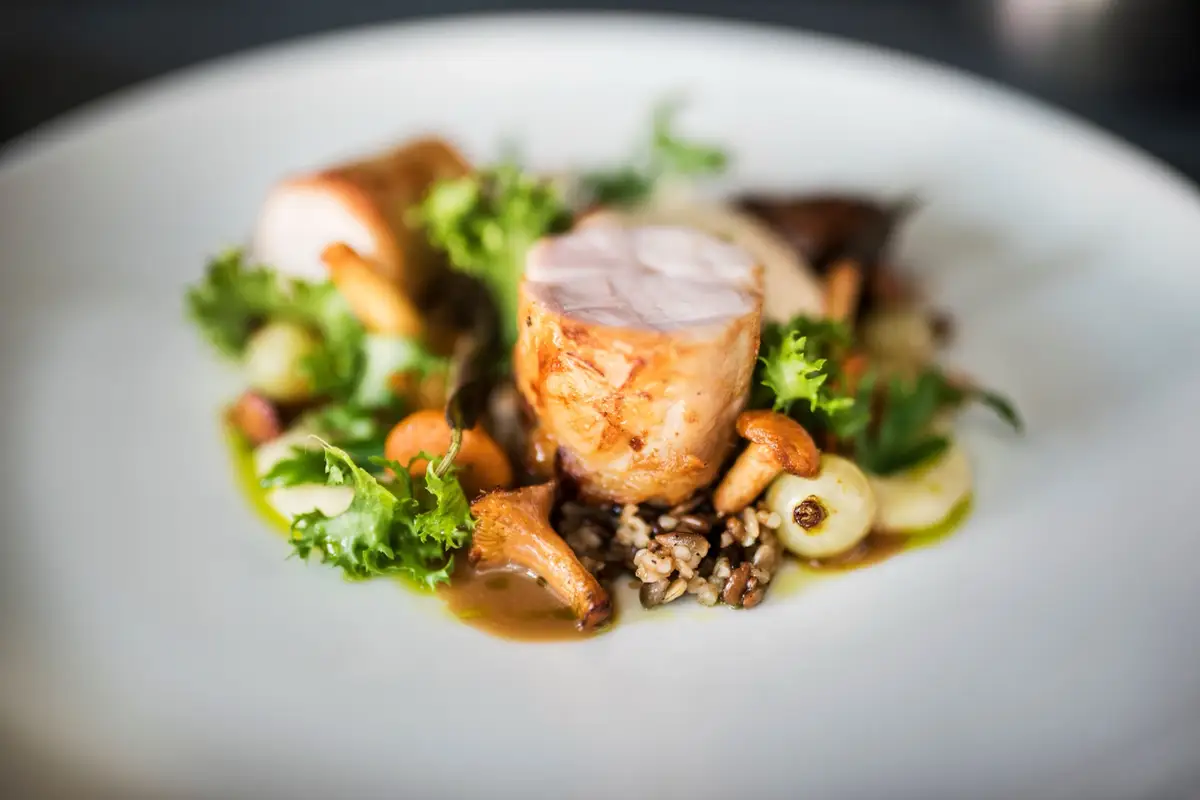
Plated dinner menu
A seated, served dinner of three or four courses. Choose one starter, one dessert and up to three mains (including a vegetarian or vegan main), and…
Explore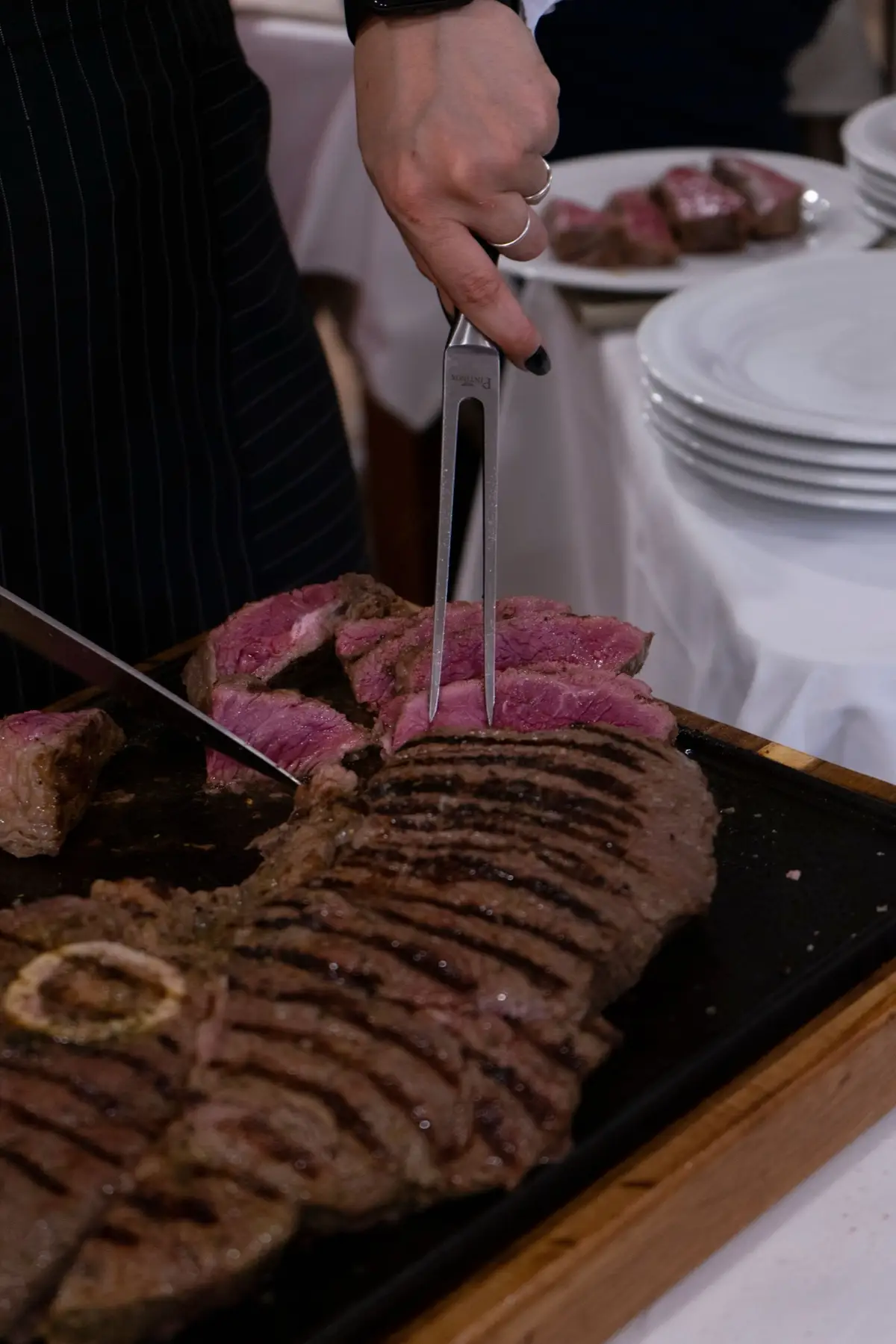
Food station menu
Attended stations where a chef carves, fries or finishes dishes in front of guests. Stations keep people moving around the room and make it easy to…
Explore