Weddings
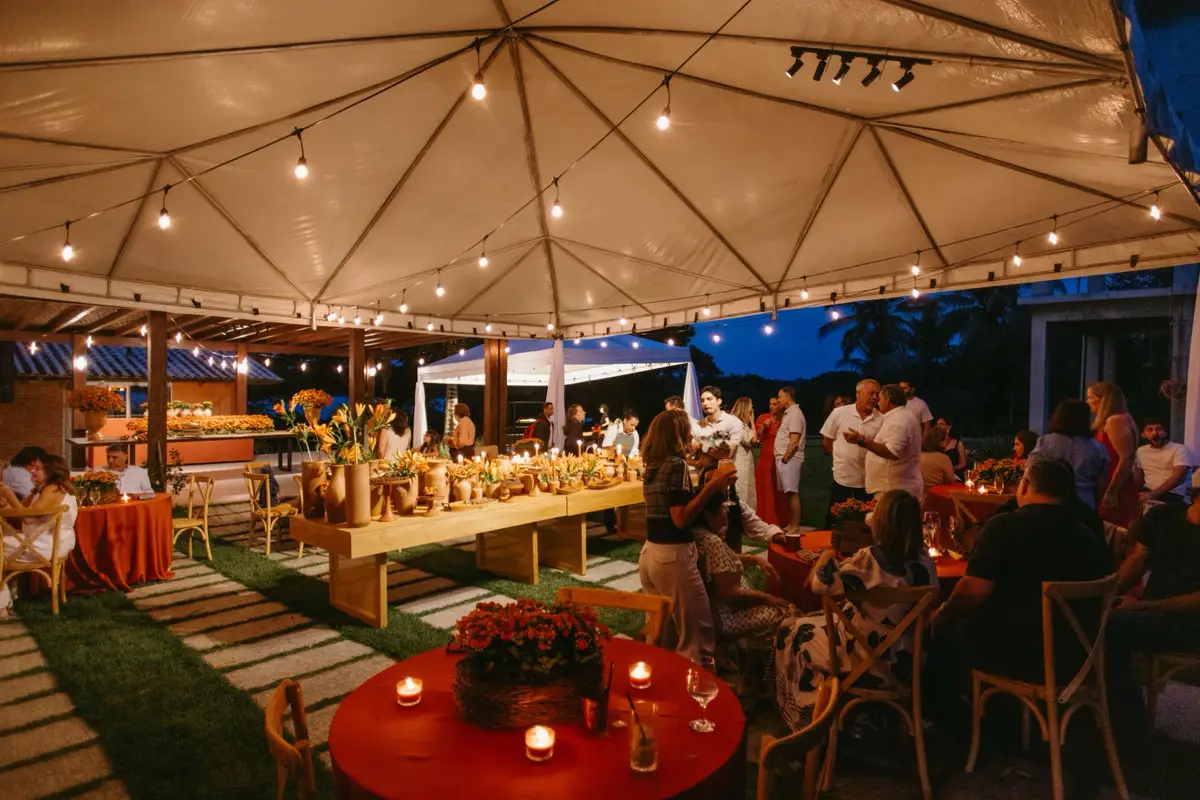
Backyard and tent wedding catering
A backyard wedding means building a restaurant for one night on a lawn: kitchen, power, water, washrooms and a plan for rain. We cater tented weddings at family homes and rented properties across the GTA, and we start with the logistics because the menu depends on them.
Start with the site visit, not the menu
Before we quote a backyard wedding we walk the property with you. The questions that decide the plan are physical: Is the ground flat enough for a tent floor? Can a rental truck reach the back, or does everything come through a side gate 90 cm wide? Where is the nearest outdoor tap and electrical panel? Where will guests park, and where will the kitchen crew unload? Is there somewhere out of sight for garbage, empty crates and a generator?
These answers decide what we cook. A kitchen tent 40 metres from the driveway with no water supply supports a different menu from one next to a garage with power and a hose bib. Our backyard and tented events guide has the full site checklist.
Tents and the 60 square metre permit rule
Under the Ontario Building Code, a tent or group of tents larger than 60 square metres in total ground area needs a building permit; the City of Toronto's building permit guide for tents and temporary structures says the same, and other GTA municipalities apply the same threshold. Two points catch couples out:
- The limit is aggregate. A 20 by 30 foot guest tent (about 56 m²) is under the limit on its own, but add a 10 by 20 foot catering tent (about 19 m²) and the total is over.
- Seated weddings pass 60 m² quickly. Tent companies commonly plan 12 to 15 square feet per seated guest before adding a dance floor, bar and buffet. At that rate a seated dinner for more than about 40 guests needs more than 60 m² of tent.
Reputable tent rental companies usually handle the permit drawings and application, but confirm in writing who is responsible and allow several weeks. Stakes for a large tent can go deep, so request free underground utility locates through Ontario One Call before installation.
| Tent size (feet) | Area (m²) | Permit needed on its own? |
|---|---|---|
| 10 × 20 (catering tent) | about 19 | No, but it counts toward the total |
| 20 × 30 | about 56 | No, unless combined with other tents |
| 30 × 45 | about 125 | Yes |
| 40 × 60 | about 223 | Yes |
Backyard wedding catering checklist
- Site visit with caterer and tent company booked
- Tent permit responsibility confirmed in writing
- Ontario One Call locates requested before staking
- Generator or electrician confirmed for kitchen power
- Handwashing station and potable water planned
- Washroom trailers sized for guest count and hours
- Waste removal and overnight storage agreed
- Alcohol rules confirmed with the AGCO for your property
- Neighbours told the date and end time
- Rain plan: sidewalls, flooring, covered path to washrooms
Power, water and the catering tent
Power. A typical household 15-amp circuit supports roughly 1,800 watts. One coffee urn or one electric hot box can use most of that, and tent lighting, a DJ and a bar fridge compete for the same outlets. For anything beyond a small dinner we recommend a rented generator placed well away from the guest tent, with its fuel supply and cable runs planned by the rental company.
Cooking. We cook on propane equipment and portable ovens in a separate catering tent or behind a screened area, never inside the guest tent. Most tent companies and fire officials expect cooking equipment to be kept apart from the tent where guests gather, so we agree the layout with the tent supplier before the day.
Water. Food handlers need a handwashing station with warm water, soap and paper towels, separate from dishwashing. We bring a portable handwashing station and our own potable water, and we plan where grey water goes, because it cannot be tipped onto the lawn.
Refrigeration and ice. A July heat wave shortens every safety margin. We bring refrigerated storage or enough ice to keep cold food at 4°C or below, and we keep buffet items out for no more than two hours.
Washrooms, garbage and neighbours
A house with two bathrooms and a septic system or older plumbing will not cope with 120 guests over six hours. Portable washroom trailers are the usual solution; rental companies size them by guest count and hours, and add capacity when alcohol is served. Place them on a level path with lighting.
A wedding for 120 produces far more waste than a household bin holds: food scraps, recycling, compostable plates, cardboard and bags of ice melt. Agree in advance whether the caterer, the rental company or the family is removing it, and where it waits overnight away from raccoons.
Check your municipality's noise bylaw for amplified sound in the evening; in Toronto that is Municipal Code Chapter 591. A note to neighbours with the date and end time, and a plan for street parking, prevents most complaints.
Alcohol at a backyard wedding
The AGCO is clear that liquor cannot be sold at a residence, so a cash bar at a home wedding is not an option. Its Special Occasion Permit guide also states that a premises used as a dwelling cannot be used for the sale, service or consumption of liquor under a permit. At a family home, the hosts typically buy the alcohol themselves and serve it free to invited guests. If the wedding is on a property that is not a residence, such as a rented farm field or event barn, an SOP normally applies. Rules depend on the property, so confirm your situation with the AGCO before you buy.
Whoever hosts is responsible for how alcohol is served. Our bar service page explains what our staff can do, and our SOP guide covers the permit process.
Menus that suit a tent
Food that holds well and serves quickly outdoors: grilled and roasted dishes finished over the catering tent's equipment, family-style platters, and stations that keep guests moving. Avoid delicate plated courses that need a long pass from kitchen to table across wet grass, and anything that wilts in heat. Our backyard weddings usually start from $78 per guest for family-style service, and the rentals and equipment are quoted as separate lines so you can compare them with the tent company's quote.
Weather plan
Order tent sidewalls even if the forecast is clear, and flooring if the lawn is soft. In September and October in the GTA, evening temperatures can drop sharply after sunset, so ask the tent company about heaters. In July, plan shade and cold water for guests and for the kitchen crew.
Run of show
Backyard wedding for 110 guests, from tent install to pack-down
 09:00
09:00Questions
Frequently asked
Do I need a permit for a wedding tent in Toronto?
If your tents total more than 60 square metres of ground area, a building permit is required under the Ontario Building Code and City of Toronto rules. Kitchen and bar tents count toward the total. Your tent rental company can usually prepare the application.
Can a caterer cook in my backyard?
Yes, from a separate catering tent or screened area with propane equipment and portable ovens, kept apart from the guest tent. Most preparation is done in our kitchen beforehand, and final cooking and plating happen on site.
Can we have a cash bar at a backyard wedding in Ontario?
No. The AGCO states that liquor cannot be sold at a residence. At a family home, hosts usually buy alcohol and serve it free to invited guests. Confirm the rules for your property with the AGCO.
How much power does a catering setup need?
It depends on the menu. A household 15-amp circuit supports roughly 1,800 watts, which covers only one hot box or coffee urn. Most tented weddings need a rented generator for the kitchen and lighting.
What happens if it rains?
Order sidewalls and flooring as part of the tent rental, keep a covered route between kitchen, tent and washrooms, and choose a menu that serves quickly. We plan the rain version of the run of show at the site visit.
How far outside Toronto do you cater backyard weddings?
We cater across Toronto and the GTA. Properties further out may carry travel fees and larger minimums; send us the address and we will confirm.
Keep planning
Related pages

Wedding catering in Toronto and the GTA
Full-service wedding catering from our kitchen: canapé receptions, long-table dinners for small weddings, and tented backyard celebrations. You get a…
ExploreCatering backyard and tented events
A backyard has no kitchen, no dish pit, no washrooms for 120 people and no roof. Every one of those has a practical fix, and they all need to be…
Explore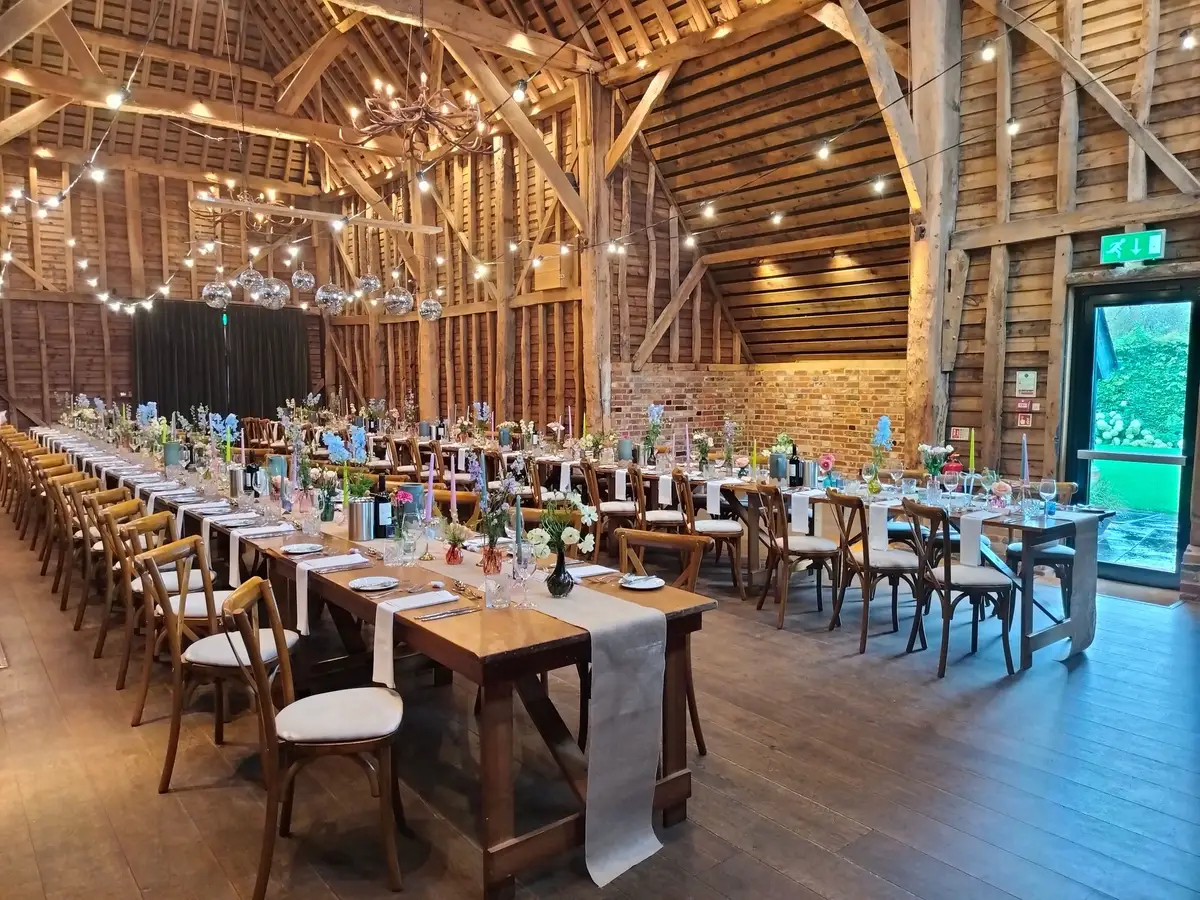
Catering barns, farms and wineries
Rural venues trade city constraints for different ones: distance, water, power, gravel and weather. The catering plan has to be self-sufficient from…
ExploreBackyard wedding catering: the complete GTA checklist
A backyard wedding needs everything a venue normally provides: a kitchen, power, water, washrooms, furniture and a weather plan. A house kitchen is…
Read the guide
Event staffing
Servers, chefs, bartenders and an event lead for your catered event, planned by service style and guest count so the room is covered without paying…
Explore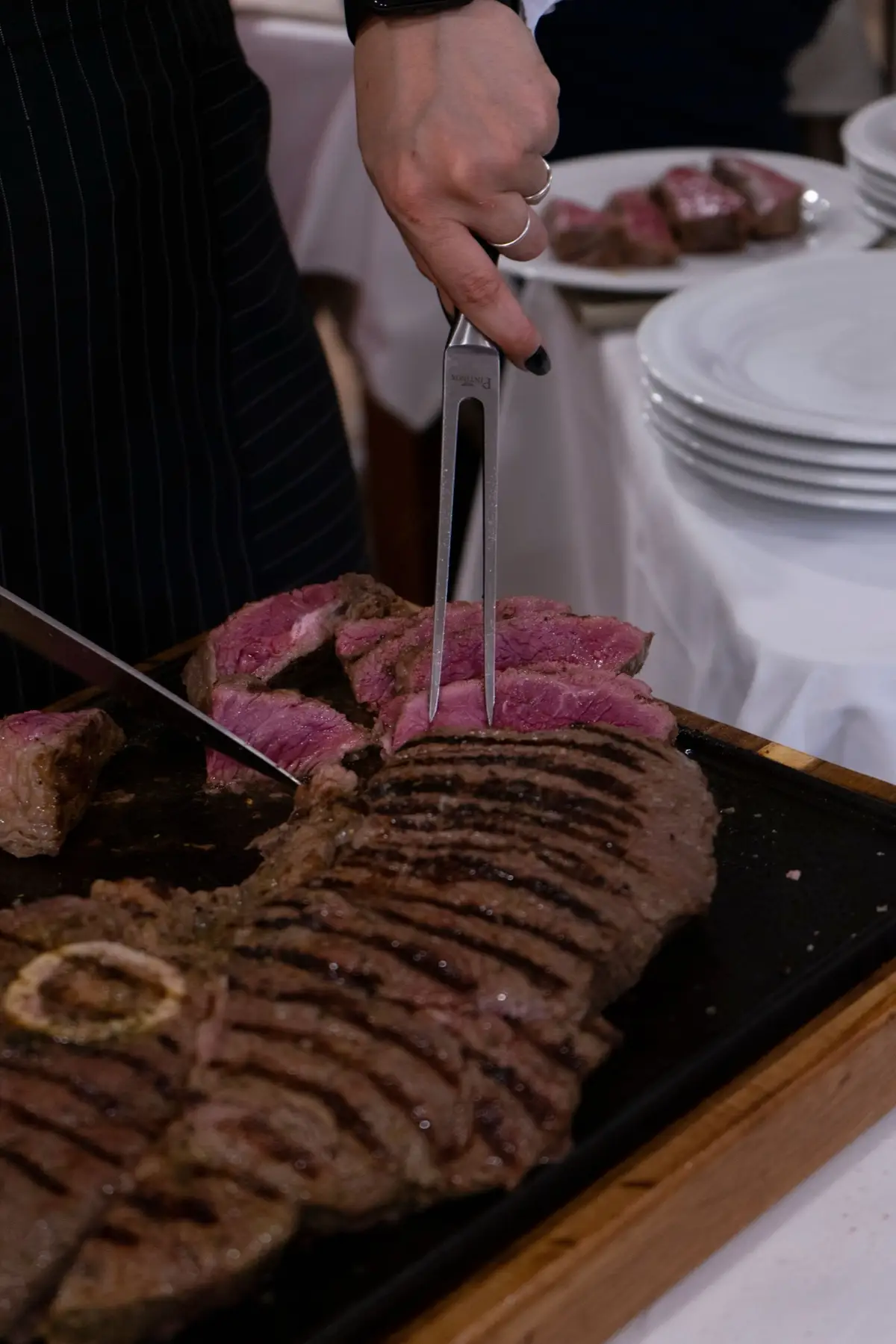
Food station menu
Attended stations where a chef carves, fries or finishes dishes in front of guests. Stations keep people moving around the room and make it easy to…
Explore