Venue guide
Catering backyard and tented events
A backyard has no kitchen, no dish pit, no washrooms for 120 people and no roof. Every one of those has a practical fix, and they all need to be booked before the menu is final.
Start with the site, not the menu
Backyard weddings, milestone parties and summer staff events in the GTA all start with the same walkthrough questions: how much flat ground is there, how do vans reach the yard, where does power come from, and where can a working kitchen sit out of sight but within a short walk of the guest tent?
A side yard or driveway usually becomes the catering area. We look for a spot on firm, level ground, ideally 20 to 60 feet from the guest tent, with a route that does not cross the dance floor or the ceremony aisle.
Tents: size, permits and staking
Rental companies commonly size a seated dinner at roughly 12 to 15 square feet per guest once tables, a buffet or stations and a dance floor are included, and a standing cocktail party at about half that. A separate catering tent (often 10 by 20 feet or larger) keeps the kitchen dry and out of view.
Larger tents can need a building permit under the Ontario Building Code. The City of Toronto notes that small tents under 60 square metres in aggregate area generally do not, subject to conditions, and that you must contact Ontario One Call at least five business days before staking into the ground. Your tent supplier normally handles both, but confirm who is responsible. Tents are not permitted on the public right-of-way.
Backyard catering checklist
- Flat ground and a vehicle route for vans and rental trucks
- Guest tent plus a separate catering tent or covered kitchen area
- Tent permit and Ontario One Call locate confirmed by the tent supplier
- Dedicated power for the kitchen, separate from band and lighting
- Potable water for handwashing and cooking, and grey water disposal
- Portable washrooms sized to guest count
- Lighting for the kitchen, paths and garbage area after dark
- Garbage, recycling and organics removal plan
- Bar plan that does not involve selling alcohol at the residence
- Weather decision time for sides, heaters, fans and menu changes
The field kitchen
A backyard field kitchen typically includes prep tables, insulated carriers or electric hot boxes, rented refrigeration or a large supply of ice and coolers, a handwashing station with warm water, and a covered area for dirty dishes. If we cook outdoors, propane grills and burners sit in the open or under a well-ventilated tent side, with a fire extinguisher at hand and a safe distance from guest areas.
Holding temperatures matter more outside than in any building. Ontario's Food Premises regulation (O. Reg. 493/17) sets the cold and hot holding limits at 4°C and 60°C. On a 30°C July afternoon, cold displays sit on ice or in refrigeration, and anything served buffet-style is replenished in smaller batches.
Power, water and washrooms
Power. Household outdoor outlets are rarely enough for a kitchen, tent lighting, a band and a coffee station together. Plan a dedicated generator for the catering area (placed away from the tent for noise and exhaust) or confirm the house circuits with an electrician.
Water. A garden hose is not a kitchen water supply. We bring potable water for handwashing and cooking and a plan for grey water disposal.
Washrooms. Most homes cannot handle 100 guests on one or two toilets and a septic system or older plumbing. Rental companies can advise on portable washroom trailers sized to guest count and event length.
Neighbours, noise and alcohol
Toronto's noise bylaw (Municipal Code Chapter 591) sets lower limits on amplified sound between 11 p.m. and 7 a.m., and other GTA municipalities have their own rules. A courtesy note to neighbours and a plan to move the party indoors or turn the music down late will save the evening.
Alcohol at a residence needs care. The AGCO does not allow liquor to be sold at a residence, so a cash bar or drink tickets are not an option at a private home. A host bar is the usual approach. Read our Special Occasion Permit guide and confirm your plan with the AGCO before the invitations go out.
Menus that suit a backyard
Family-style platters, buffets with a double-sided line, and grill or carving stations suit outdoor events because they are forgiving on timing. Plated dinners are possible, but they need a larger catering tent, more staff and good lighting. Delicate items such as raw bars, soft cheeses and cream desserts need shade and ice or a short service window. For the full wedding planning view, see backyard and tent weddings and our backyard catering checklist.
Always have a weather call time
Agree a time, usually 48 to 72 hours before, when you decide on tent sides, heaters or fans. Rental companies need that notice, and the menu may change too: a hot soup course in June, or a chilled one in a September heatwave.
Questions
Frequently asked
Do I need a permit for a backyard wedding tent in Toronto?
It depends on size and setup. The City of Toronto says tents under 60 square metres in aggregate area generally do not need a building permit, subject to conditions; larger tents may. Your tent rental company should confirm and apply if needed, and call Ontario One Call before staking.
Can a caterer cook at my house?
Yes, but usually not in your home kitchen for a large group. We set up a field kitchen in a side yard or driveway with our own equipment, and we may use your kitchen only for small tasks with your agreement.
Can we have a cash bar at a backyard wedding in Ontario?
No. The AGCO does not allow liquor to be sold at a residence. Plan a host bar where the drinks are provided to guests free of charge, and check the AGCO rules for your event.
What happens to the food if it rains?
The catering tent and covered service areas keep food protected. Rain mainly affects access routes and the path between kitchen and guests, so we plan covered or matted walkways when the forecast is uncertain.
How many staff does a backyard event need?
More than the same event at a hall, because the kitchen is further from guests and everything must be carried. As a rough guide, plan one server per 10 to 12 guests for plated service and fewer for a buffet, plus kitchen staff and a lead.
Can you handle a backyard event outside Toronto?
We serve Toronto and the GTA. Tell us the address with your inquiry; delivery fees and minimums vary by distance.
Keep planning
Related pages
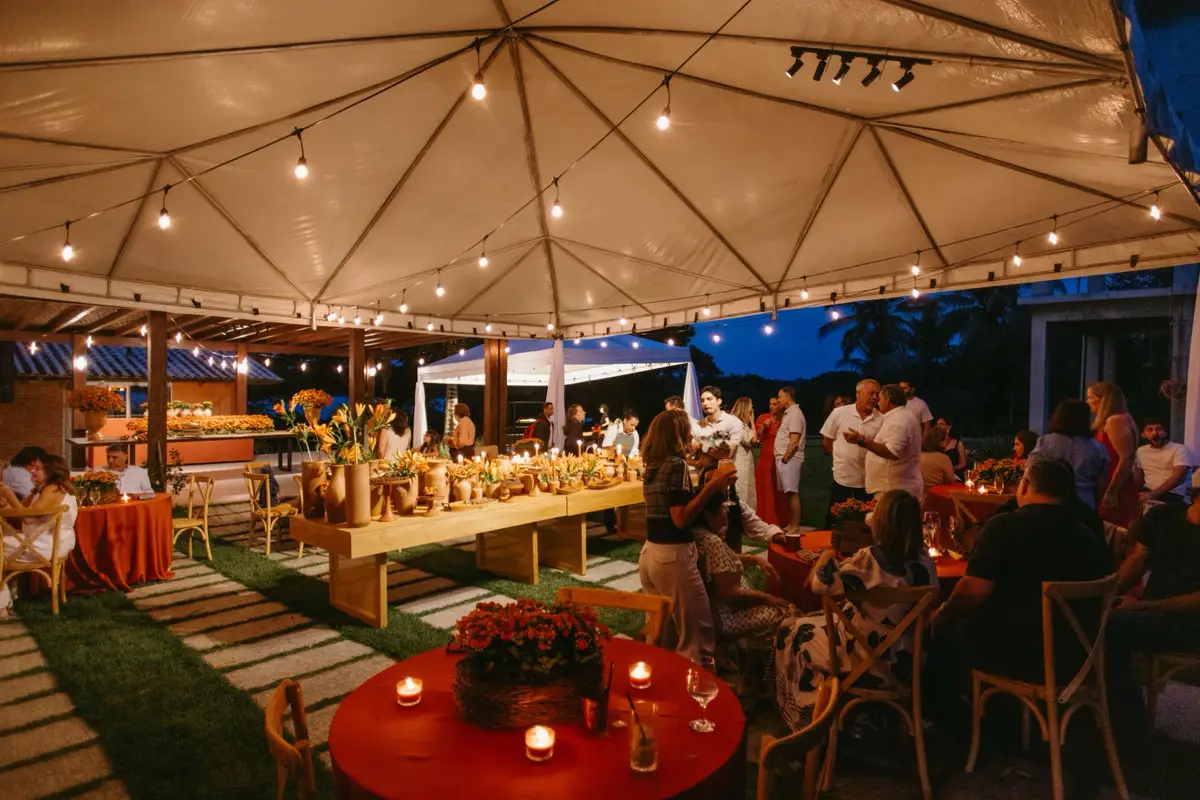
Backyard and tent wedding catering
A backyard wedding means building a restaurant for one night on a lawn: kitchen, power, water, washrooms and a plan for rain. We cater tented…
ExploreBackyard wedding catering: the complete GTA checklist
A backyard wedding needs everything a venue normally provides: a kitchen, power, water, washrooms, furniture and a weather plan. A house kitchen is…
Read the guide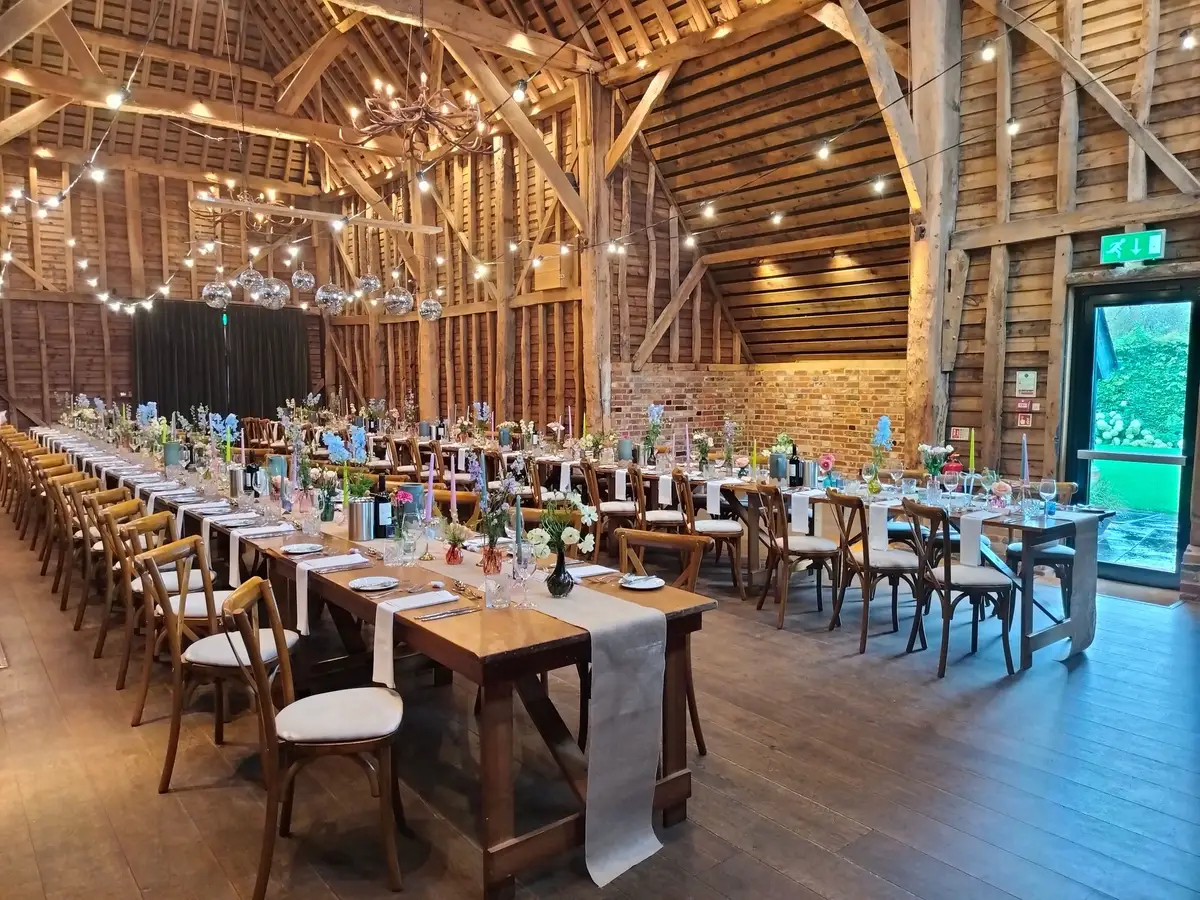
Catering barns, farms and wineries
Rural venues trade city constraints for different ones: distance, water, power, gravel and weather. The catering plan has to be self-sufficient from…
Explore
Catering at private homes and condos
A home dinner for 14 and a condo party-room birthday for 60 are different jobs. Both depend on a kitchen, an elevator or a front door that was never…
Explore
Milestone birthday and anniversary catering
A 60th birthday, a 50th anniversary, a graduation or a retirement party usually puts a toddler, a teenager and a 90-year-old in the same room. We…
Explore
Event staffing
Servers, chefs, bartenders and an event lead for your catered event, planned by service style and guest count so the room is covered without paying…
Explore