Venue guide
Catering barns, farms and wineries
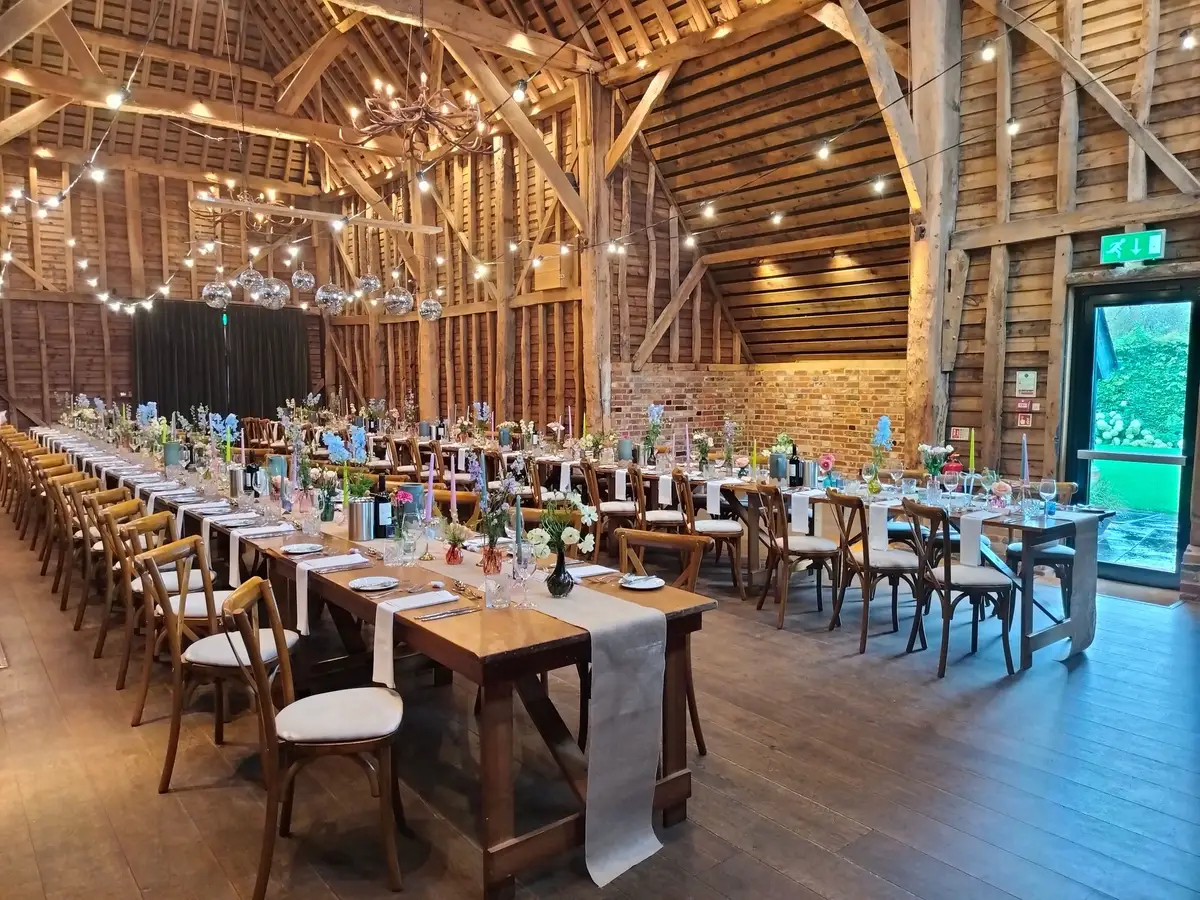
Rural venues trade city constraints for different ones: distance, water, power, gravel and weather. The catering plan has to be self-sufficient from the moment the van leaves the highway.
Distance changes the budget and the timeline
Barn and farm venues within reach of the GTA sit in places like Caledon, King, Uxbridge and the Oak Ridges Moraine, with wineries further out on the Niagara Escarpment and in Prince Edward County. A drive that is an hour on a Tuesday can take much longer on a summer Friday.
Distance affects catering cost in three ways: travel fees for vehicles, paid travel time for every staff member, and a longer day that can push staff into overtime. It also affects food, because nothing can be fetched from the kitchen if it is forgotten. We pack from a written load list, bring spares of critical items and confirm the route, including the last few kilometres of rural road, before the day. Tell us the venue address with your inquiry so we can confirm whether it is inside our service area and what travel costs apply.
What rural venues usually have (and don't)
Rural venues vary more than any other type. Some have a finished catering kitchen; many offer a barn, a field and washrooms, and some offer less. Questions we ask every time:
- Is there a kitchen or prep room, and is it approved for caterer use?
- Water. Is the supply municipal or a private well, and is it tested? Many caterers bring their own potable water for cooking and handwashing at well-water sites.
- Grey water and septic. Where can kitchen waste water go without overloading a septic system?
- Power. Is there a panel near the catering area, or is a generator needed?
- Vehicle access. Can a van or refrigerated truck reach the kitchen area on gravel or grass after rain?
- Lighting. Rural sites are dark after sunset. Kitchen, paths and garbage areas need lights.
Keeping food cold (and hot) far from the kitchen
A longer drive means a longer cold chain. For large rural events, rented refrigeration on site or a refrigerated vehicle keeps cold food at or below 4°C, the limit in Ontario's Food Premises regulation, for the whole day. Hot food is either finished on site in a field kitchen or carried in heated equipment and held at 60°C or hotter.
For a barn wedding, the kitchen is often a catering tent next to the barn with propane or electric equipment, prep tables, a handwashing station and a covered dish area. Grilling and roasting outdoors suits these venues well, as long as equipment is placed safely away from hay, timber and guests.
Wineries have their own rules
Wineries hold their own licences, and many restrict what alcohol can be served on site, often limiting it to their own wine. Some work only with approved caterers or charge a fee for outside food. Ask early whether the winery handles all alcohol service, whether outside beer or spirits are permitted, and whether the tasting room or barrel room has separate rules for food.
Weather, bugs and season
Barns are cooler than tents in summer heat but can be cold in May and October evenings, which changes the menu: warm dishes and hot drinks late in the night matter more than a chilled dessert. Late summer brings wasps to anything sweet or fruit-based, so desserts and drinks stations are kept covered until served. Rain turns grass routes to mud, so plan boards or matting between the kitchen and the barn door.
Menus that suit rural venues
Family-style platters of roasted and grilled meats, seasonal Ontario vegetables and grain salads fit barn settings and hold well if service timing slips. Food stations with a live grill or carving board also work. Plated dinners are possible but need a larger tented kitchen, more staff and good lighting. Late-night food is worth planning because guests have usually driven far and dinner was hours earlier. For the wedding side of planning, see wedding catering.
Budget staff travel time
At rural venues, every staff member's travel time is part of the day. A two-hour round trip for a team of 12 is 24 paid hours before service starts. Ask for travel costs to be shown as a separate line so you can compare venues fairly.
Questions
Frequently asked
Do you cater barn weddings outside the GTA?
Send us the venue address. We serve Toronto and the GTA, and events further out depend on distance, date and event size. Travel fees and minimums are confirmed in the proposal.
What does a barn venue need for a caterer?
At minimum: a level area for a catering tent close to the barn, vehicle access, power or space for a generator, potable water and a plan for waste. A barn with an approved kitchen makes a plated dinner much easier.
Is well water safe for catering?
It depends on testing and the venue's system. Many caterers bring their own potable water for cooking, drinks and handwashing at well-water sites. Ask the venue whether its water is tested and approved for food use.
Can we bring our own alcohol to a winery wedding?
Usually not. Wineries commonly limit alcohol to their own products and their own licence. Confirm the winery's policy before planning the bar.
What menu style works best for a farm wedding?
Family-style platters and grill or carving stations suit farm venues because they hold well and fit the setting. Plated service is possible with a bigger field kitchen and more staff.
Keep planning
Related pages

Wedding catering in Toronto and the GTA
Full-service wedding catering from our kitchen: canapé receptions, long-table dinners for small weddings, and tented backyard celebrations. You get a…
Explore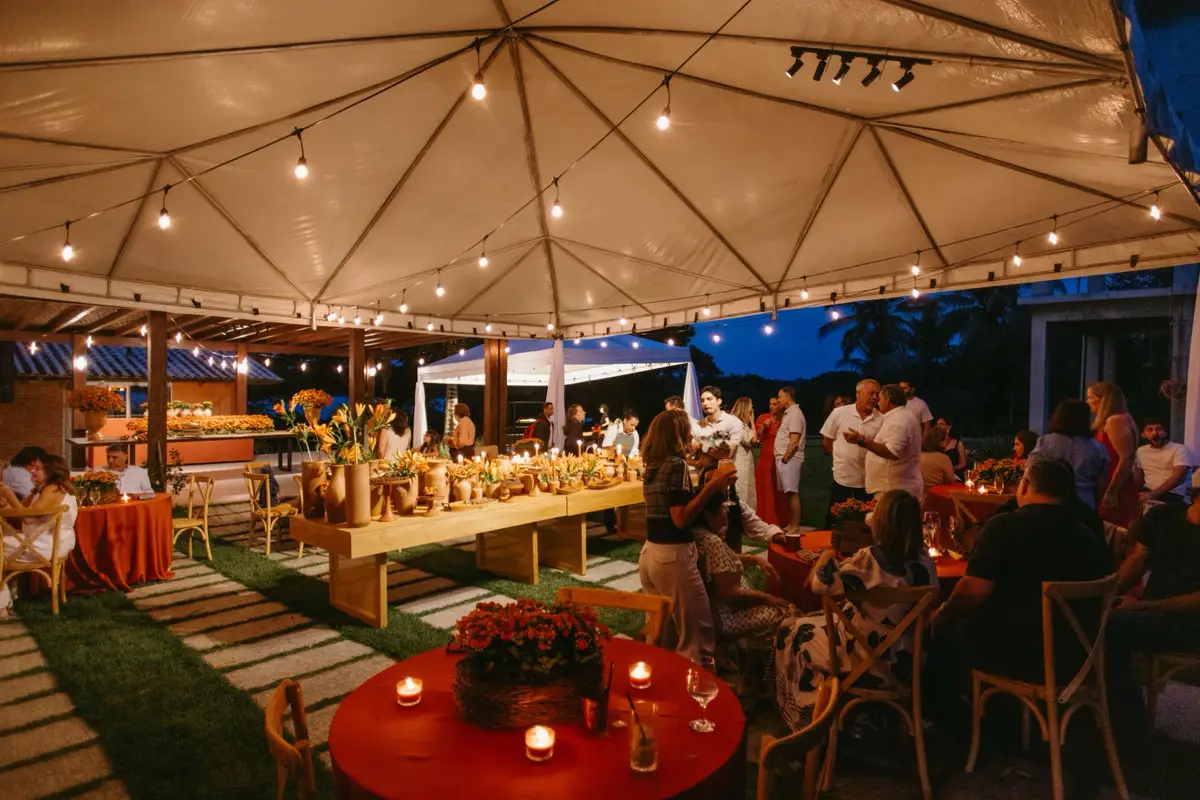
Backyard and tent wedding catering
A backyard wedding means building a restaurant for one night on a lawn: kitchen, power, water, washrooms and a plan for rain. We cater tented…
ExploreCatering backyard and tented events
A backyard has no kitchen, no dish pit, no washrooms for 120 people and no roof. Every one of those has a practical fix, and they all need to be…
Explore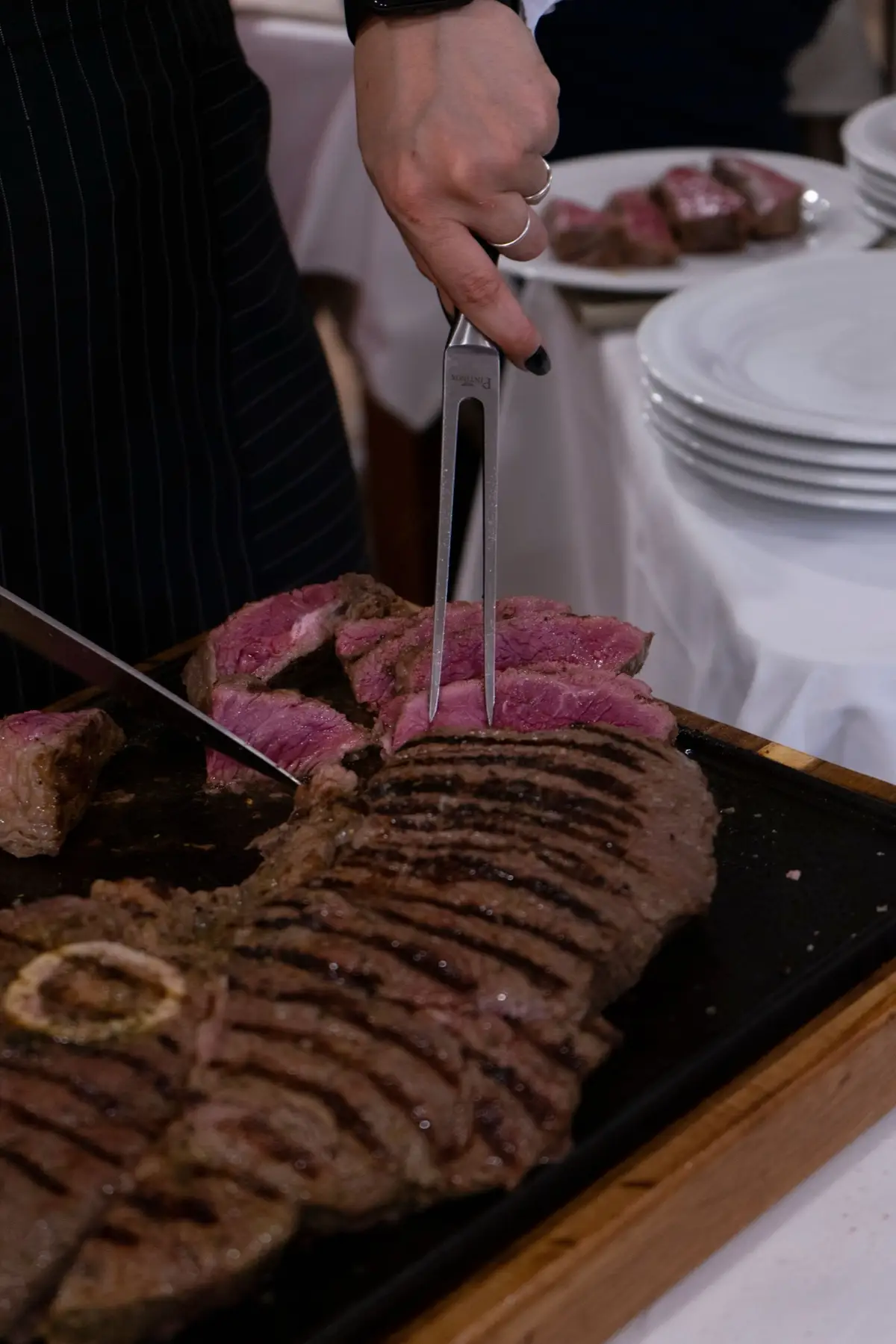
Food station menu
Attended stations where a chef carves, fries or finishes dishes in front of guests. Stations keep people moving around the room and make it easy to…
ExploreFood stations vs family-style service
Both formats make a dinner feel generous without the formality of a plated menu. Stations get guests up and moving; family-style keeps them seated…
ExploreWedding catering cost in Toronto: what $60, $100 and $150 per guest buys
EventSource puts most Toronto and GTA weddings at $50–$100 per guest for catering, with a full range of $30–$150. What matters more is what sits…
Read the guide