
Weddings
Cocktail-style wedding receptions
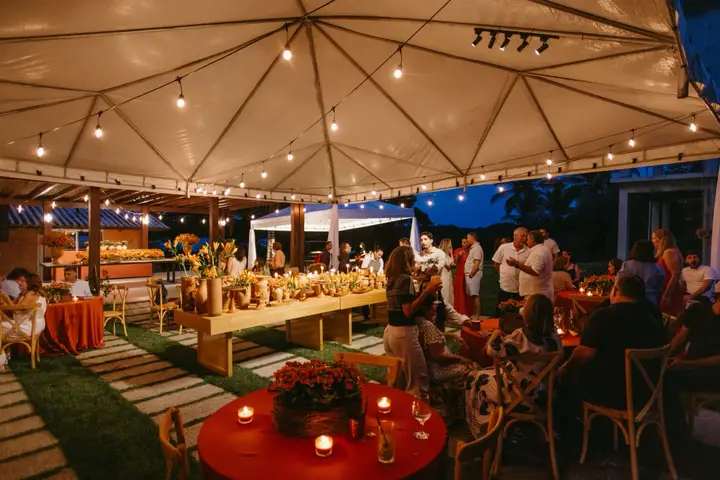
A cocktail reception replaces the seated dinner with passed canapés, small bowls and a station or two, so guests move, talk and eat for the whole evening. Done properly nobody leaves hungry; done cheaply it feels like a long cocktail hour.
When a cocktail reception is the right call
A cocktail-style wedding works best when the room, the guest list or the tone of the day pushes against a formal dinner. The common reasons we hear in Toronto:
- The venue is small or oddly shaped. A King West loft or a gallery that holds 150 standing may seat only 80 at rounds.
- The guests are mostly friends of a similar age who would rather move around than stay at an assigned table for three hours.
- The ceremony is late, for example a 6:00 p.m. ceremony with a party that runs to midnight.
- The couple wants more variety than one plated menu allows: 12 or 14 dishes rather than three courses.
It is usually the wrong call when many guests are older or have mobility needs, when there is a long program of speeches, or when the family expects a sit-down meal. In those cases a short canapé hour followed by stations or a plated dinner is kinder to everyone.
How much food a cocktail wedding needs
The most common mistake is budgeting a reception that replaces dinner as if it were a cocktail hour before dinner. They are very different quantities.
For a cocktail hour ahead of a seated meal, 4 to 6 pieces per guest is enough. For a two-hour reception with no meal after it, planners generally work on 8 to 12 pieces per guest. For a full evening that stands in for dinner, the count climbs to roughly 16 to 20 pieces per guest, and at least a third of that should be substantial: small bowls with a fork (braised short rib over polenta, spiced chickpea stew with herbed rice), sliders, or a carved or pasta station.
We build the menu in waves rather than repeating the same six items all night: lighter cold canapés as guests arrive, hot and heartier pieces through the middle of the evening, a station during the peak, and something sweet plus a late savoury bite after the first dance. Our canapé menu shows the dishes and dietary tags, and our food quantity guide has the full tables.
| Reception | Pieces per guest | Notes |
|---|---|---|
| Cocktail hour before dinner | 4–6 | 4 or 5 varieties |
| 2-hour reception, no dinner | 8–12 | Add one substantial item |
| Full evening instead of dinner | 16–20 | At least a third substantial, plus a station |
| Late-night add-on | 1–2 | Savoury, served after 10:00 p.m. |
Seating, speeches and the flow of the room
No seated dinner does not mean no chairs. Plan seating for 30 to 50% of guests: a mix of lounge groupings, high-top tables and some regular-height tables near the edges for older guests, pregnant guests and anyone who needs to sit. Guests eat more comfortably, and they spend longer at the reception, when they have somewhere to put a plate and a glass.
Speeches need a plan. With everyone standing, attention drops after about 15 minutes, so we suggest keeping toasts short and grouping them in one block. Our servers stop passing during speeches and restart immediately after, which also gives the kitchen a natural point to switch from cold to hot items.
Room flow matters as much as food. Put the bar and the station on opposite sides of the room so queues do not merge, keep passing routes clear of the dance floor, and give servers a short path back to the kitchen. In a loft with one freight elevator and no kitchen, we plan a back-of-house area of roughly 3 by 6 metres behind a screen for ovens and plating.
Staffing and kitchen setup
Passed canapés are labour-intensive. Each server can realistically work a group of 20 to 25 guests and still keep trays moving, so a 120-guest reception usually needs 5 or 6 passers, 2 or 3 chefs finishing and plating, a captain and separate bar staff. That is why cocktail receptions are not automatically cheaper than dinners: food cost goes down, staff cost goes up.
Hot canapés are finished on site. Where a venue has no kitchen we bring portable convection ovens and hot boxes, which need dedicated power; a typical household-style 15-amp circuit supports roughly 1,800 watts, which is only one oven. We confirm the venue's electrical capacity during the site visit rather than on the day.
Dietary meals are harder at a standing reception because nobody has a seat number. We mark vegan, gluten-free and halal items on tray cards, and for guests with serious allergies we assign one server who brings safe items directly to them. See our dietary catering page for how we label.
What it costs
EventSource's 2025 Toronto wedding catering overview puts cocktail-style receptions at roughly $40 to $90 per guest. Our canapé receptions start from $38 per guest before HST and the 18% service charge, and the final number depends on piece count, how many substantial items and stations you add, and the size of the service team. A full-evening reception with a station will sit well above the starting price; a two-hour reception after an afternoon ceremony can sit close to it.
Minimum guest count for full-service receptions is 40 guests. For all fees, see pricing.
The two-bite rule
A canapé should be eaten in one or two bites with one hand, because the other hand is holding a drink. Anything that needs cutting, drips, or leaves a skewer with nowhere to put it belongs in a small bowl with a fork, not on a tray.
Run of show
Cocktail reception after a 5:30 ceremony, 120 guests
 14:00
14:00Questions
Frequently asked
Is a cocktail-style wedding cheaper than a sit-down dinner?
Not always. Food cost per guest is often lower, but passed service needs more staff, and a reception that replaces dinner needs 16 to 20 pieces per guest. A well-fed cocktail wedding usually costs about the same as a buffet.
How many canapés per person for a wedding reception?
About 4 to 6 pieces for a cocktail hour before dinner, 8 to 12 for a two-hour reception with no meal, and roughly 16 to 20 if the reception replaces dinner for a full evening.
Do guests need seats at a cocktail reception?
Plan seating for 30 to 50% of guests, mixing lounge areas, high-tops and regular tables. Older guests and anyone with mobility needs should always have a place to sit near the food.
Can a cocktail reception handle vegan, halal and gluten-free guests?
Yes. We make a share of every wave suitable for those guests, label trays, and for serious allergies assign a server to bring safe items directly to the guest.
Can you cater a cocktail reception at a venue with no kitchen?
Yes. We bring portable ovens, hot boxes and a screened plating area. We need to confirm power capacity, load-in access and elevator timing with the venue in advance.
How long should a cocktail-style wedding reception last?
Most run four to five hours from the first drink. The menu is paced in waves across that time so there is always something substantial circulating.
Keep planning
Related pages
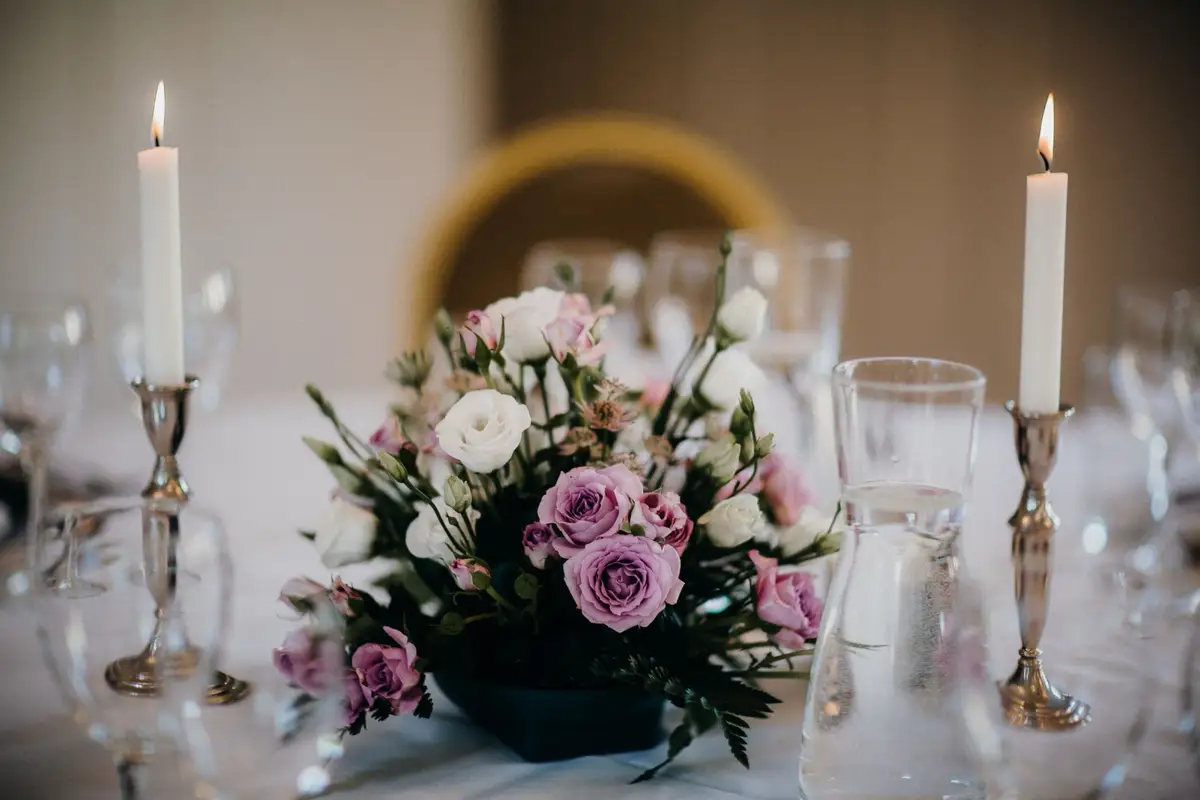
Wedding catering in Toronto and the GTA
Full-service wedding catering from our kitchen: canapé receptions, long-table dinners for small weddings, and tented backyard celebrations. You get a…
Explore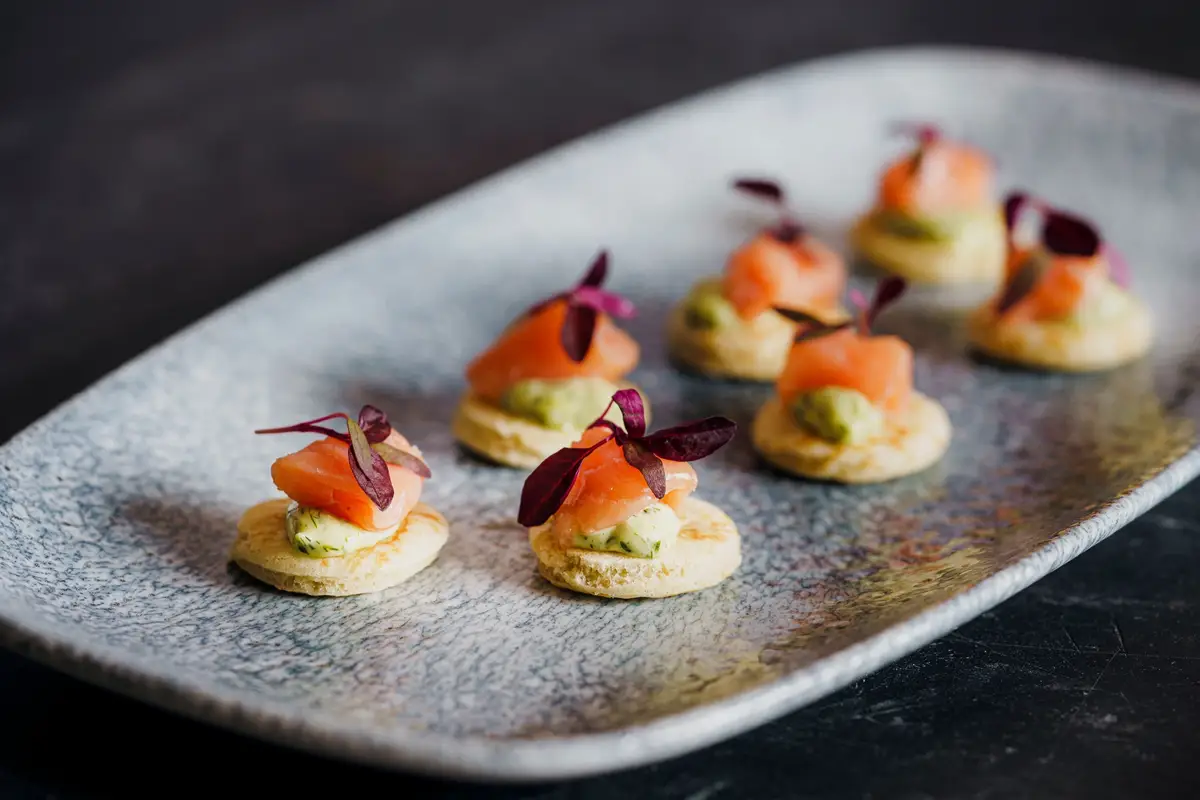
Canapé menu
Two-bite food passed by servers, designed to be eaten standing with a drink in the other hand. Choose six to ten canapés from the lists below and we…
Explore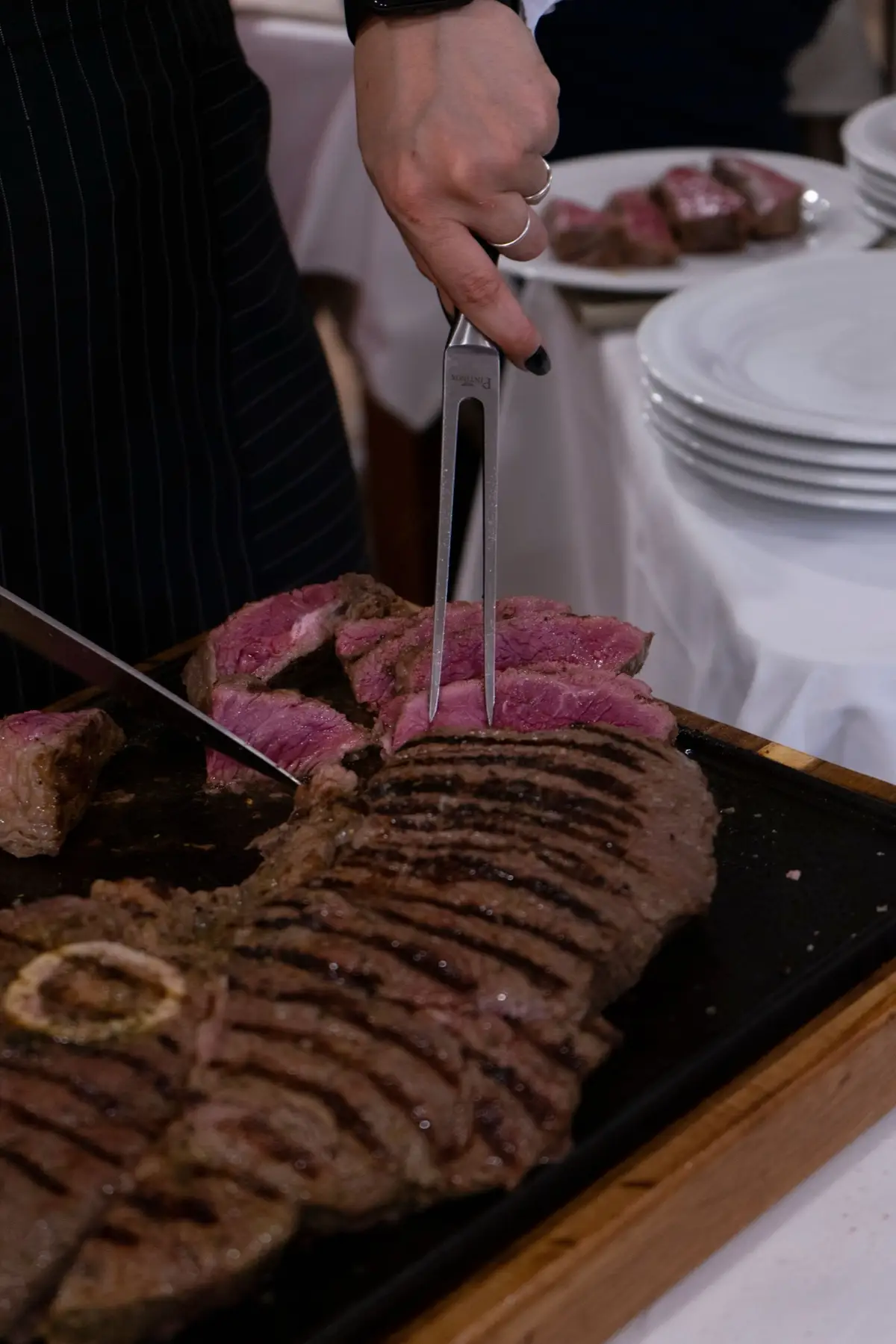
Food station menu
Attended stations where a chef carves, fries or finishes dishes in front of guests. Stations keep people moving around the room and make it easy to…
Explore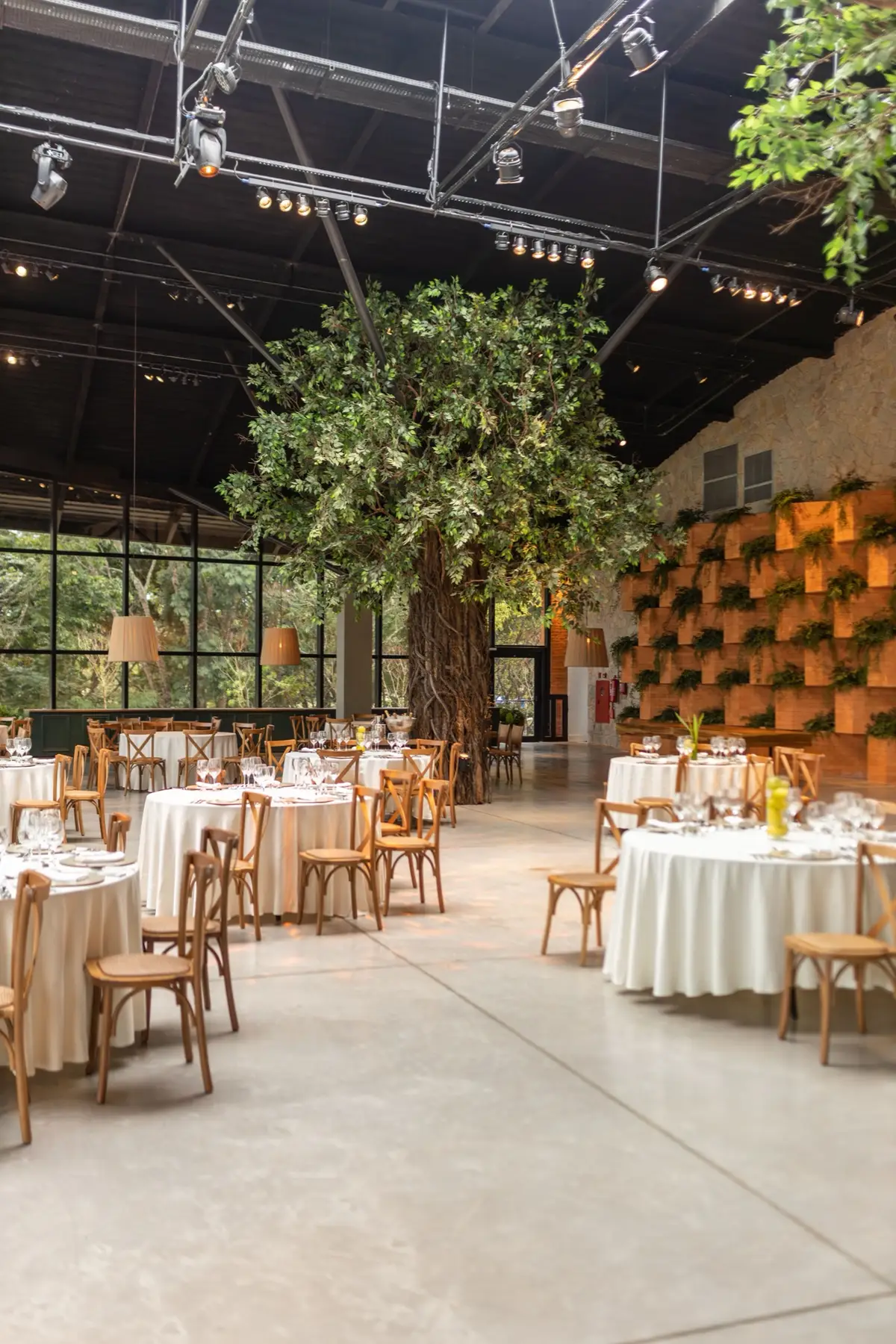
Catering lofts and industrial spaces
Brick, timber and big windows, and almost never a commercial kitchen. Here is how a loft event actually gets fed, from the freight elevator to the…
Explore
Catering galleries and museums
In a gallery the art sets the rules. Menus are built around one-bite food, careful staff and a load-in that happens after the public leaves.
Explore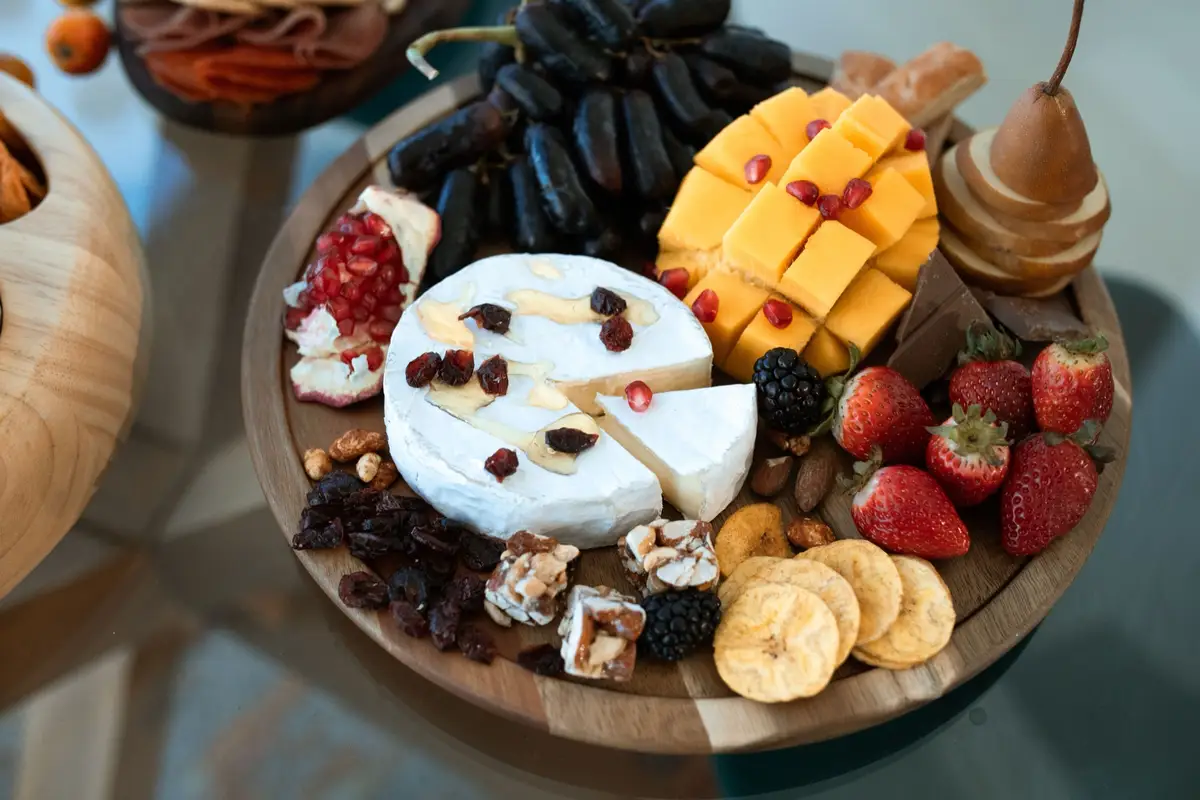
How much food per person: catering quantity tables
For a two-hour cocktail reception with no dinner afterwards, plan 8–12 canapés per guest. For a seated dinner, plan about 150–180 g of cooked protein…
Read the guide